
Plugin Permission Isolation Reduces WordPress Security Exposure
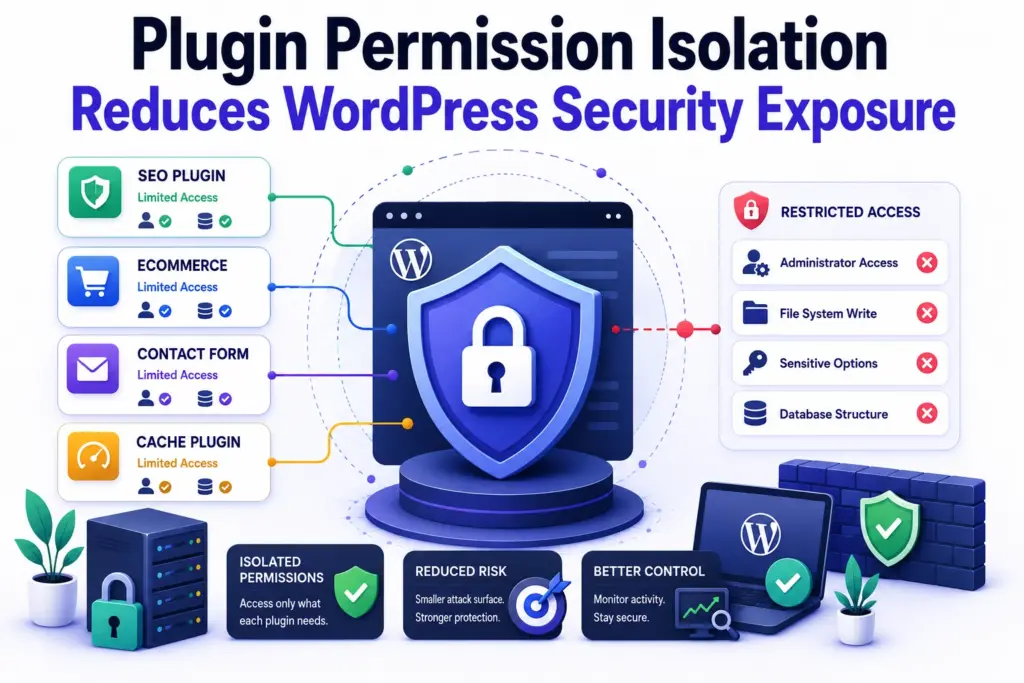
WordPress security rarely fails because of one catastrophic vulnerability. More commonly, risk accumulates gradually through excessive plugin permissions, outdated dependencies, and uncontrolled integrations. Initially, plugins solve operational problems quickly. However, unrestricted access increases infrastructure exposure over time. Many WordPress environments prioritize functionality over permission control. Consequently, plugins receive broader access than necessary for their actual […]
Access Control Structure Reduces Security Breach Risk
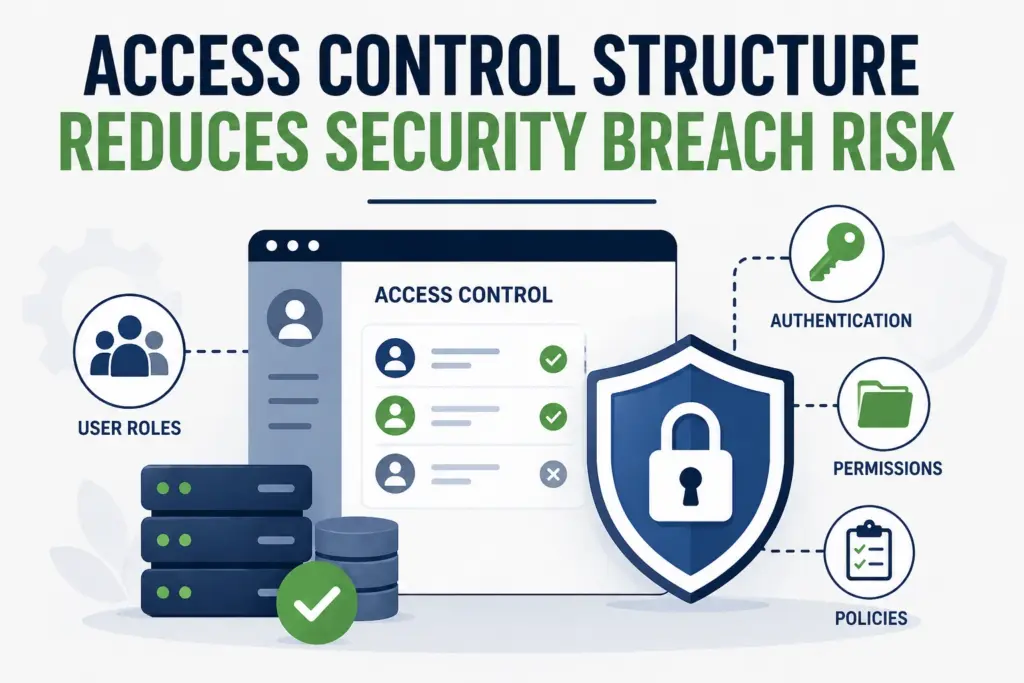
Security breaches rarely originate from unknown vulnerabilities. Most incidents occur because access boundaries are unclear, inconsistent, or overly permissive. When systems fail to enforce structured access control, unauthorized actions become possible even without advanced attack methods. Structure influences security outcomes. At Wisegigs.eu, security audits consistently show that breach risk is more often caused by access […]
Application Hardening Structure Reduces Exploitation Probability
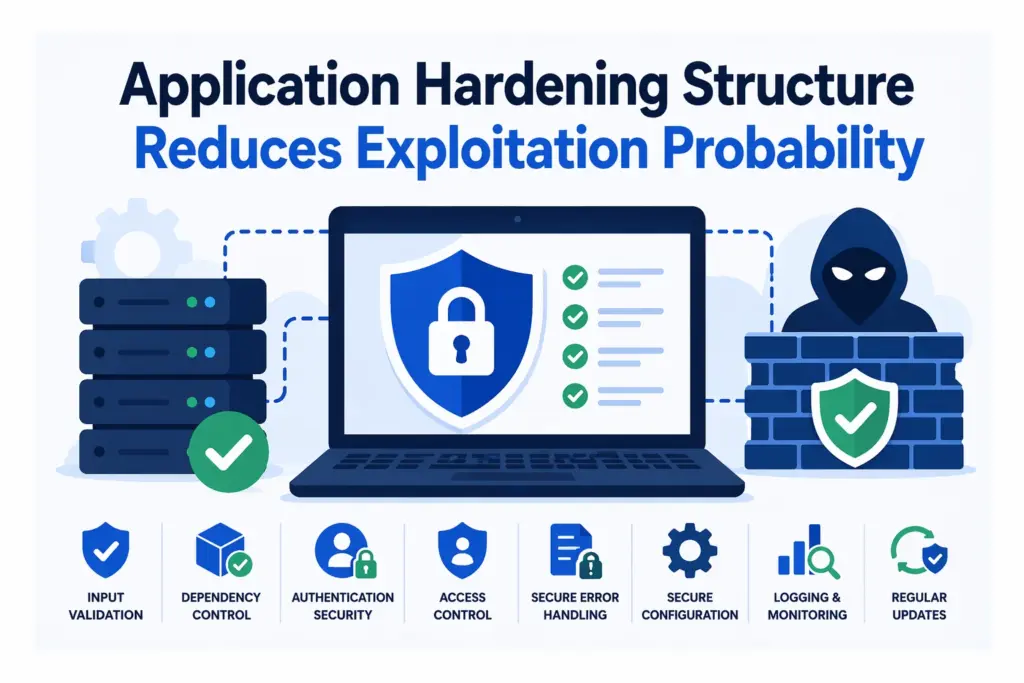
Software behavior depends on boundary control clarity. Applications continuously process external input, interact with dependencies, and communicate with infrastructure services. Each interaction introduces potential exposure points where unintended behavior may occur. Structure influences exploitability. When boundaries remain clearly defined, exploitation opportunities decrease. When boundaries become inconsistent, exposure probability increases. At Wisegigs.eu, application audits frequently identify […]