
Secure WordPress Development Workflow (From Local to Production)
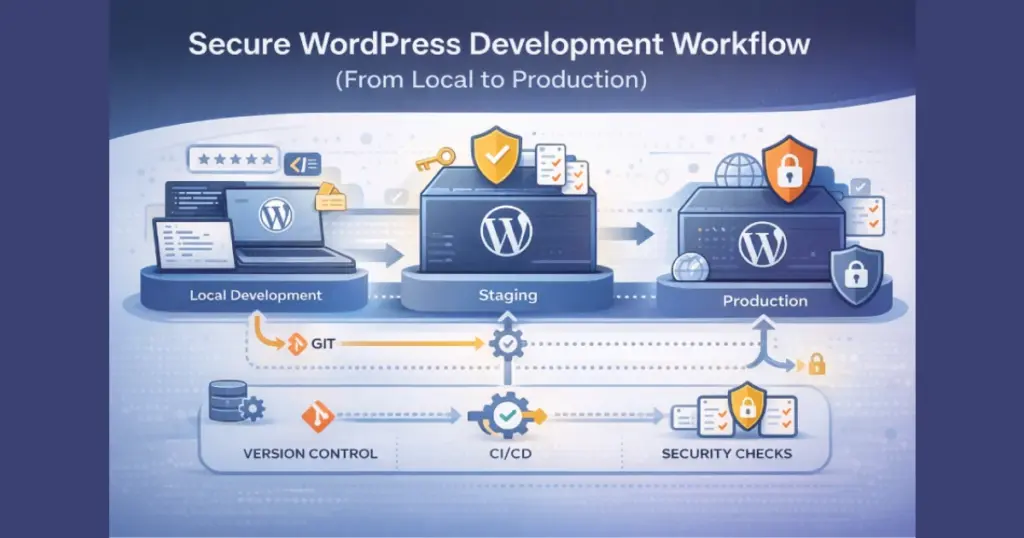
Security issues in WordPress rarely come from a single mistake in production. Most vulnerabilities are introduced earlier in the development workflow — insecure local setups, shared credentials, missing reviews, rushed deployments, or inconsistent environments. By the time code reaches production, the damage is already done. At Wisegigs.eu, we treat WordPress security as a workflow problem, […]
WordPress Hosting Security Checklist: From Server to Application
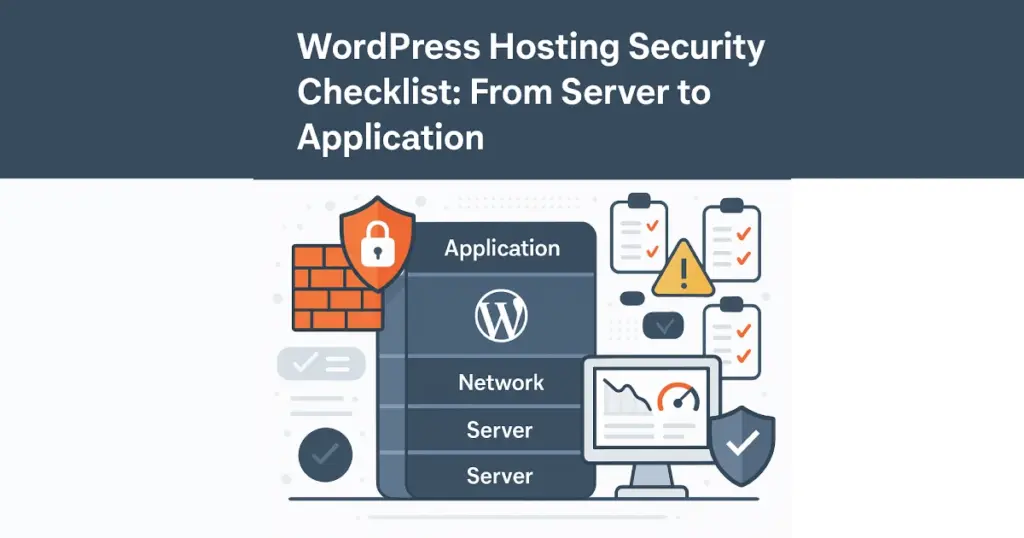
Security in WordPress hosting is not a single setting or plugin — it’s a layered system that starts at the server and extends all the way to the application and data level. Most security incidents happen not because WordPress is insecure by default, but because critical layers are misconfigured, outdated, or ignored. At Wisegigs.eu, we […]
How to Set Up a CRM-Driven Email Automation for WordPress Sites
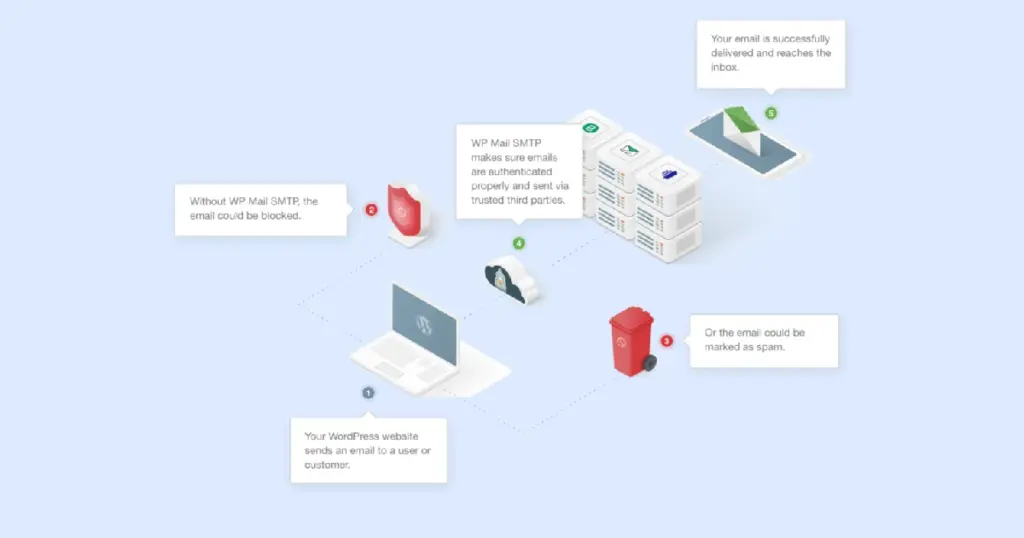
Email automation only becomes truly powerful when it’s driven by CRM data, not just form submissions or static lists. Many WordPress sites still rely on basic newsletter tools that send the same message to everyone, missing context like user behavior, lifecycle stage, purchase history, or lead quality. A CRM-driven setup connects WordPress activity directly to […]
Performance Pitfalls Caused by Bad Caching Plugins
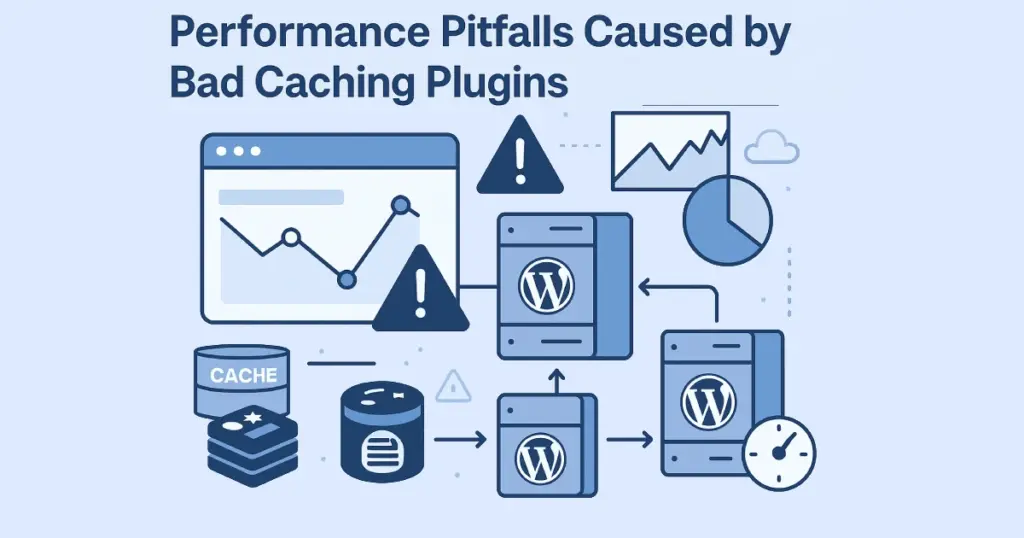
Caching is one of the most effective ways to speed up WordPress — but only when it’s implemented correctly. In practice, many performance problems we see are not caused by a lack of caching, but by bad caching plugins or poorly configured ones. These issues often create hidden bottlenecks, inconsistent behavior, broken functionality, or even […]
Load Balancing WordPress: Architecture, Best Practices & Pitfalls
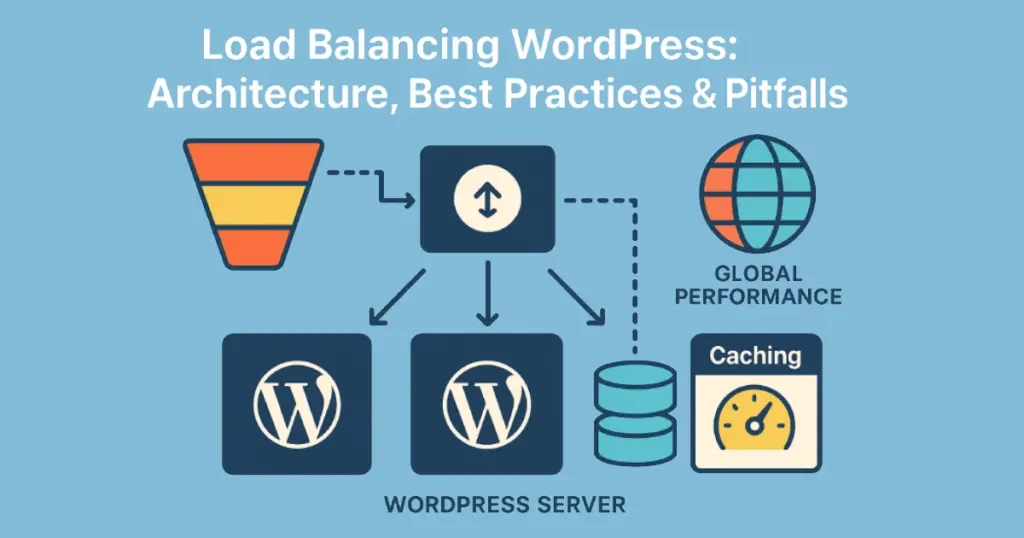
Scaling WordPress beyond a single server requires more than adding CPU and RAM. True scalability comes from distributing traffic across multiple nodes, ensuring no single machine becomes a bottleneck. Load balancing is the foundation of this architecture — but misconfigurations often lead to session loss, cache fragmentation, inconsistent deployments, or cascading failures during traffic spikes. […]
How to Fix Tracking & Attribution Issues in Paid Media Campaigns (GA4 + UTMs)
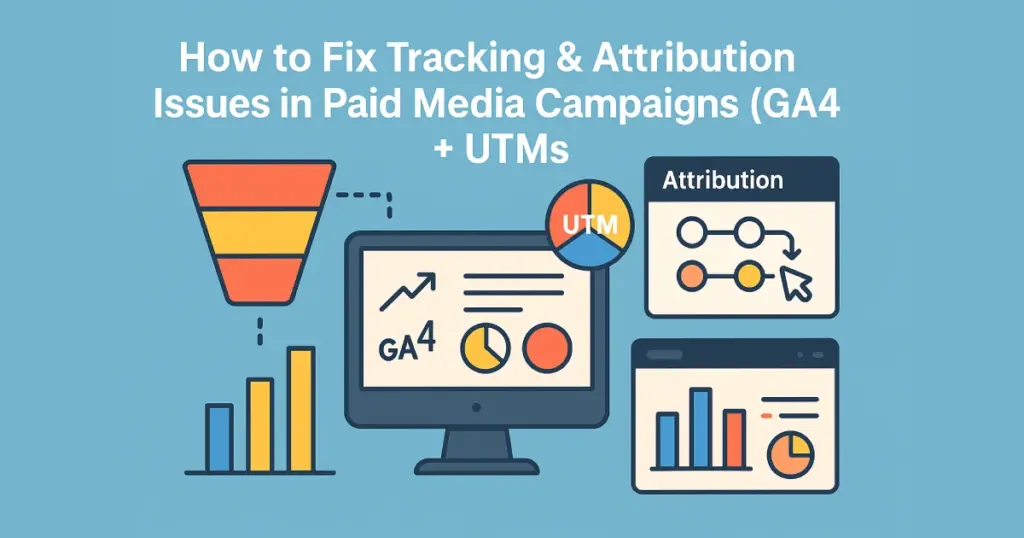
Paid media only works when the tracking pipeline works. If GA4 isn’t recording conversions correctly, UTMs are broken, campaigns are misattributed, or your landing pages strip parameters, you can’t optimize ads — and every decision becomes guesswork. Most WordPress sites suffer from accuracy gaps that cause inflated Direct traffic, missing conversions, duplicate events, or incorrect […]
How to Build a Multilingual WordPress Site with No Performance Loss
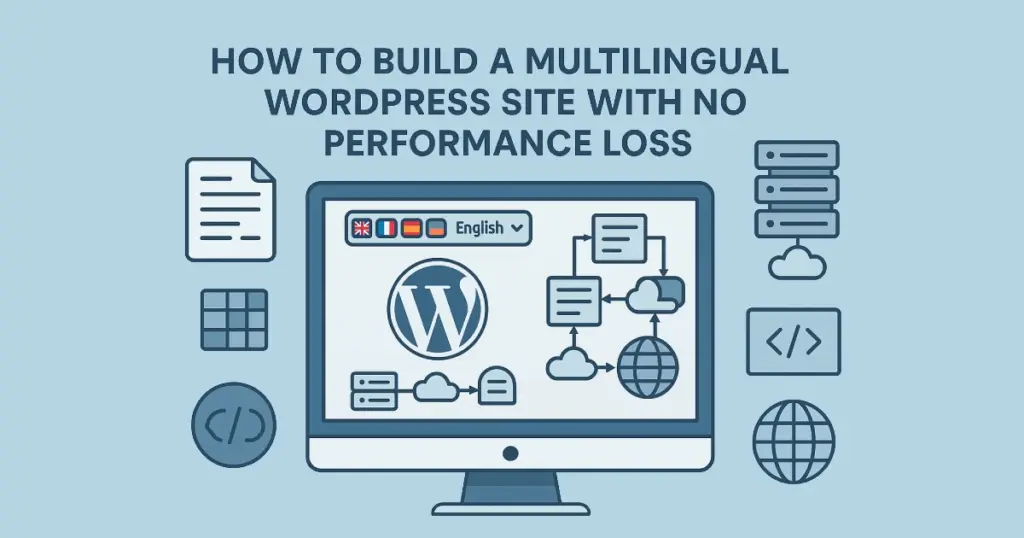
Illustration showing language switchers, translation architecture diagrams, WordPress multisite structures, and caching layers in a clean technical layout. Multilingual WordPress sites often suffer performance issues — slow database queries, oversized DOM, duplicated content, and unnecessary translation overhead. Many teams rely on translation plugins that load additional scripts, rewrite URLs inefficiently, or duplicate entire content tables. […]
Essential Post-Installation Checklist for Any WordPress Server Panel
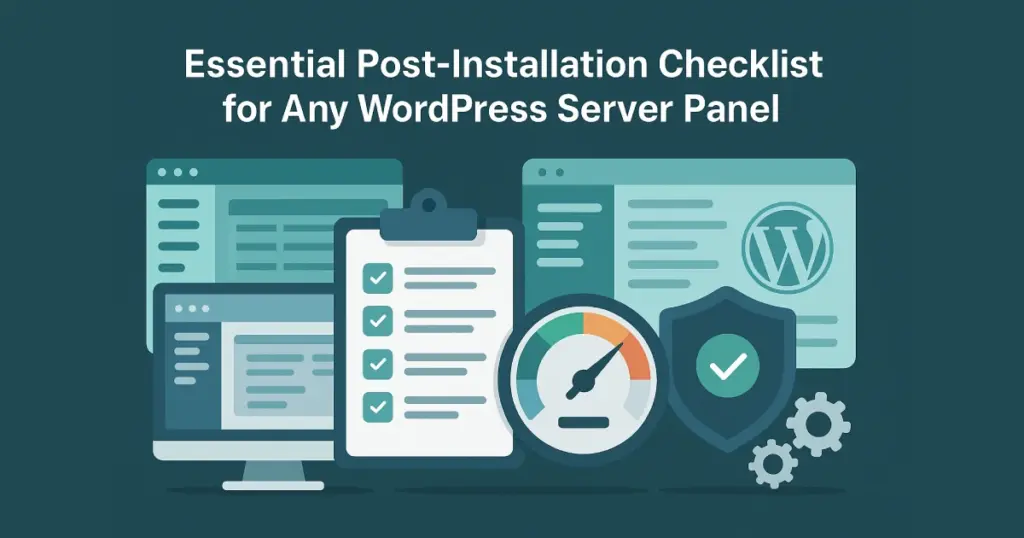
Illustration showing server panel dashboards, security toggles, performance meters, and WordPress hosting components arranged in a clean technical layout. Installing a server panel such as Virtualmin, CyberPanel, Plesk, or cPanel is only the first step in preparing a production-ready WordPress hosting environment. The real performance, reliability, and security gains come from what you configure after […]
The Essential Tracking Plan for WordPress: Events, Funnels, and KPIs
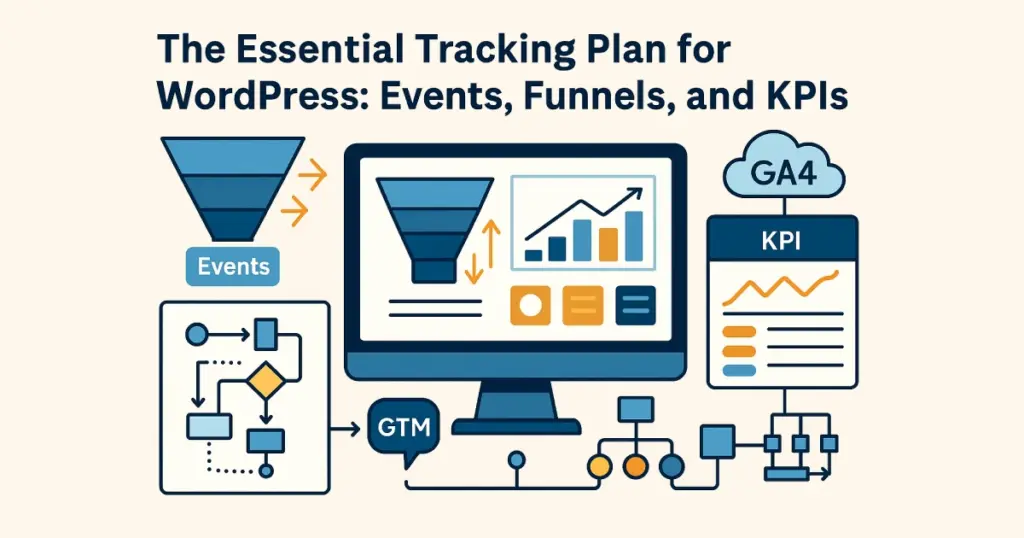
Illustration showing analytics funnels, event tracking diagrams, dashboards, and GA4/GTM icons arranged in a clean measurement architecture layout. A tracking plan is one of the most important components of a WordPress analytics strategy. Without one, teams end up with fragmented events, inaccurate data, missing conversions, or dashboards that don’t reflect real business performance. A proper […]
How to Create a Cron-Safe Background Queue in WordPress
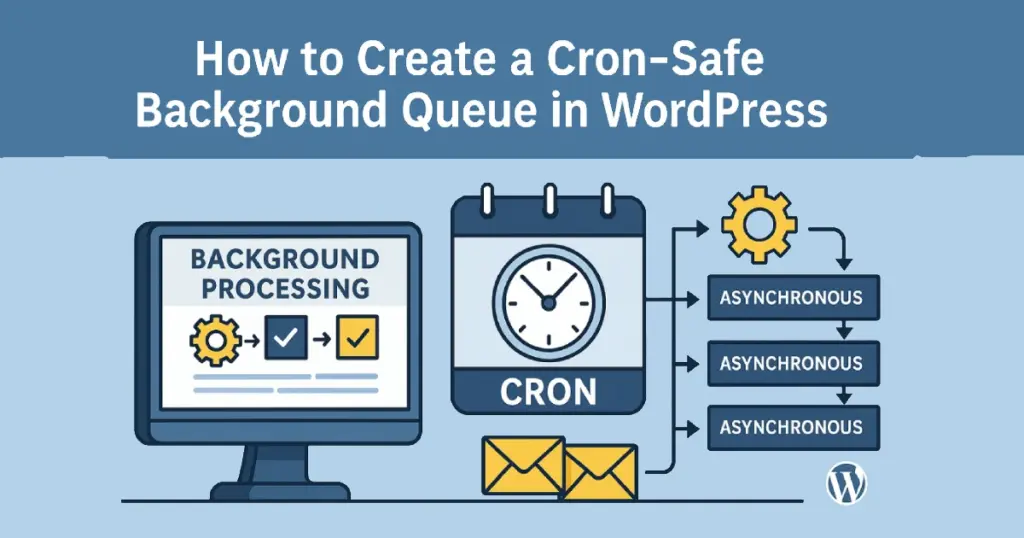
Large tasks like imports, API synchronizations, report generation, and cleanup jobs often run during normal WordPress page loads — slowing down the user experience, increasing TTFB, and sometimes causing outright timeouts. A cron-safe background queue offloads heavy operations into controlled batches that run outside the request lifecycle. At Wisegigs.eu, we engineer background processing systems that […]