
WordPress Core Updates: How to Prepare, Test, and Deploy Safely
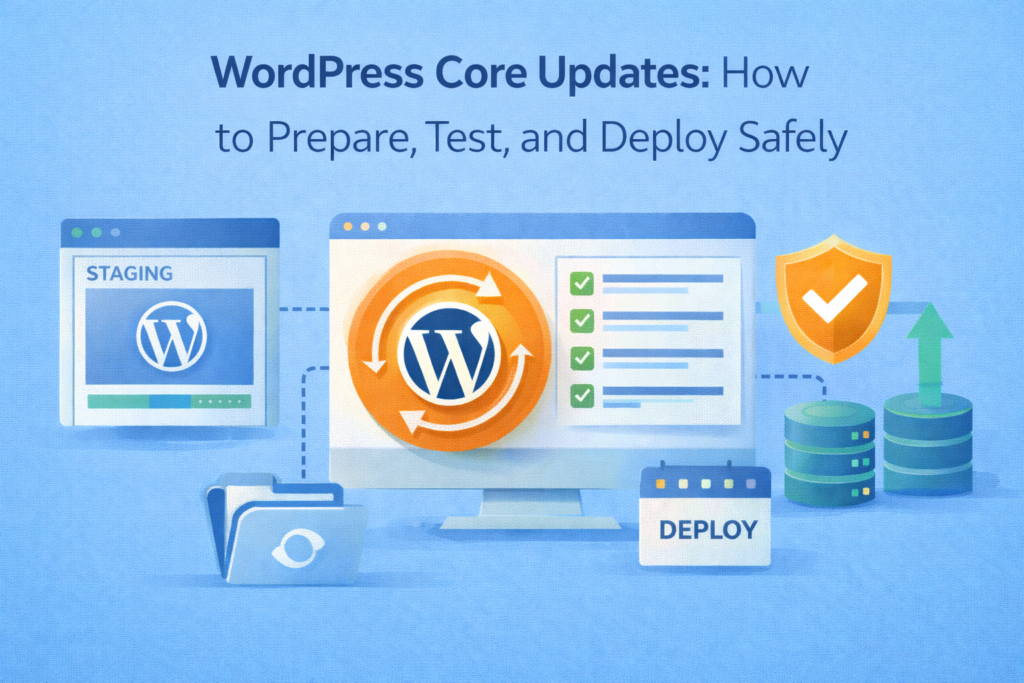
WordPress core updates are one of the most underestimated operational risks in WordPress projects. While most updates appear routine, even minor releases can introduce compatibility issues, performance regressions, or subtle breaking changes — especially on sites with custom code, plugins, or complex hosting setups. The difference between a smooth update and a production incident is […]
How to Measure WordPress Performance Correctly at Scale
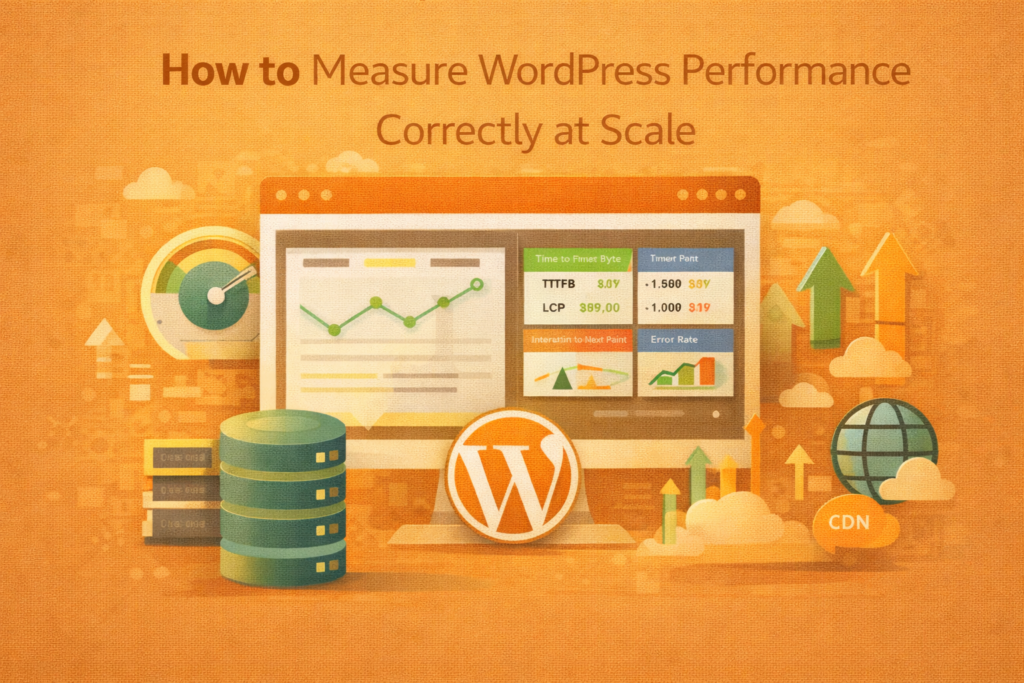
At low traffic, WordPress performance issues are obvious. Pages feel slow, errors appear, complaints arrive quickly. At scale, performance problems are subtle, distributed, and delayed. By the time users notice, the damage has already accumulated. The biggest mistake teams make is relying on the same metrics that worked for small sites. At Wisegigs.eu, performance measurement […]
How to Create Custom WordPress Hooks for Cleaner Code
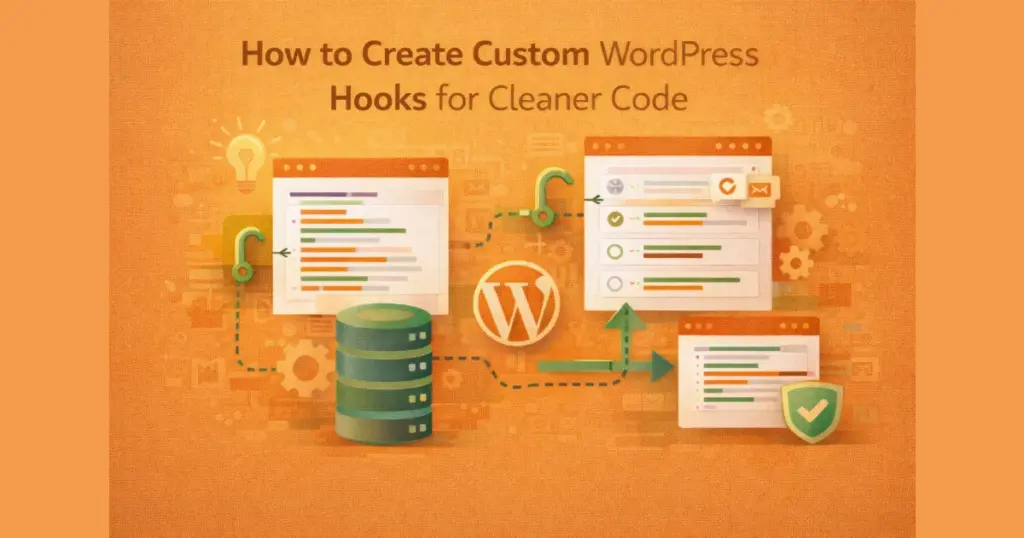
As WordPress projects grow, codebases often become tightly coupled, fragile, and difficult to extend. The most common cause is logic being hardwired directly into templates, plugins, or theme files with no clear extension points. Custom WordPress hooks solve this problem. They allow you to decouple logic, improve maintainability, and make your code extensible without rewriting […]
Backup & Restore Best Practices in WordPress Server Panels
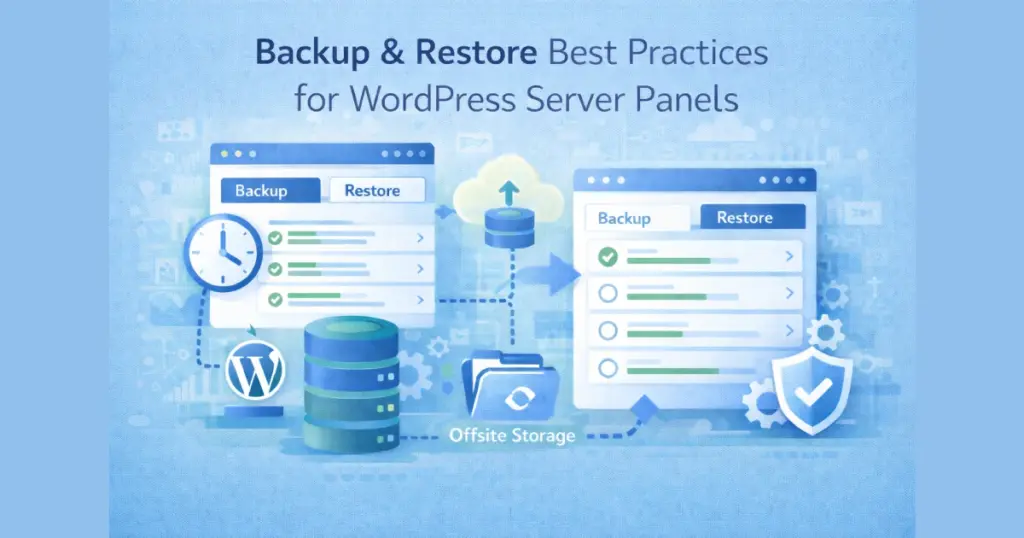
Backups are easy to configure — restores are where most WordPress hosting setups fail. Many sites technically “have backups,” but those backups are incomplete, outdated, slow to restore, or unusable during real incidents. In production hosting, backups are not a feature — they are a recovery system. At Wisegigs.eu, backup and restore workflows are treated […]
How to Build a Reliable Analytics Stack for WordPress Sites
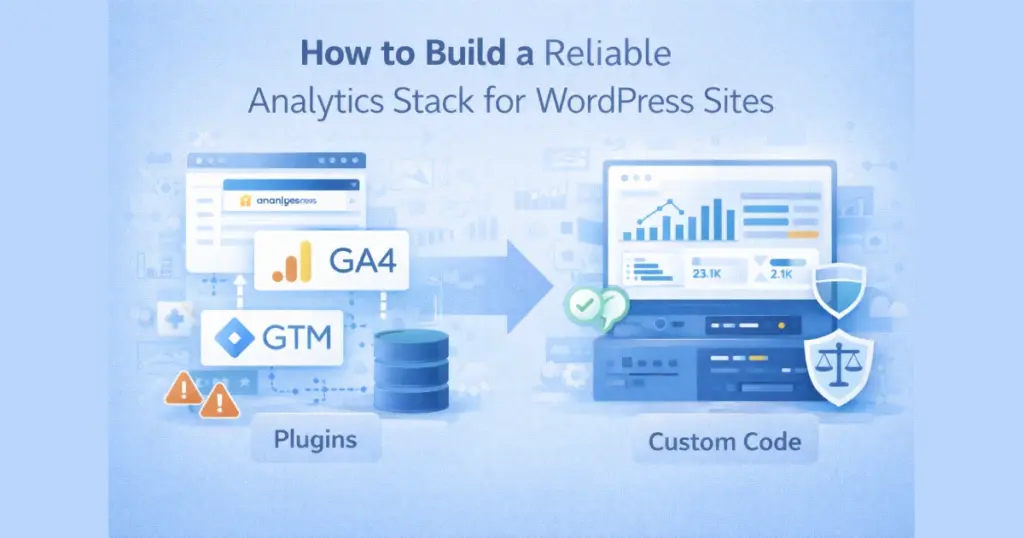
Analytics problems rarely come from missing tools — they come from unreliable setups. Duplicate events, missing conversions, broken attribution, inflated traffic, and untrusted reports are all symptoms of analytics stacks that were added incrementally without architecture. A reliable analytics stack should answer business questions consistently, survive site changes, and remain accurate as traffic, campaigns, and […]
When to Use Custom Code Instead of Plugins in WordPress
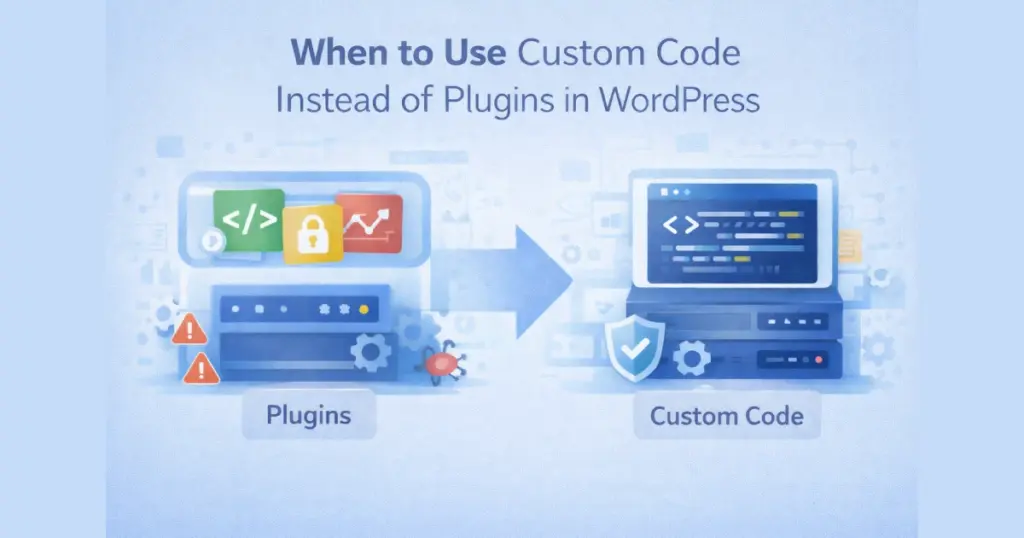
Plugins are one of WordPress’s greatest strengths — but they are also one of its biggest long-term risks. Many performance, security, and maintenance problems don’t come from WordPress itself, but from over-reliance on plugins for problems that should have been solved with custom code. The real question is not “Can a plugin do this?” — […]
When to Move WordPress From Shared Hosting to VPS
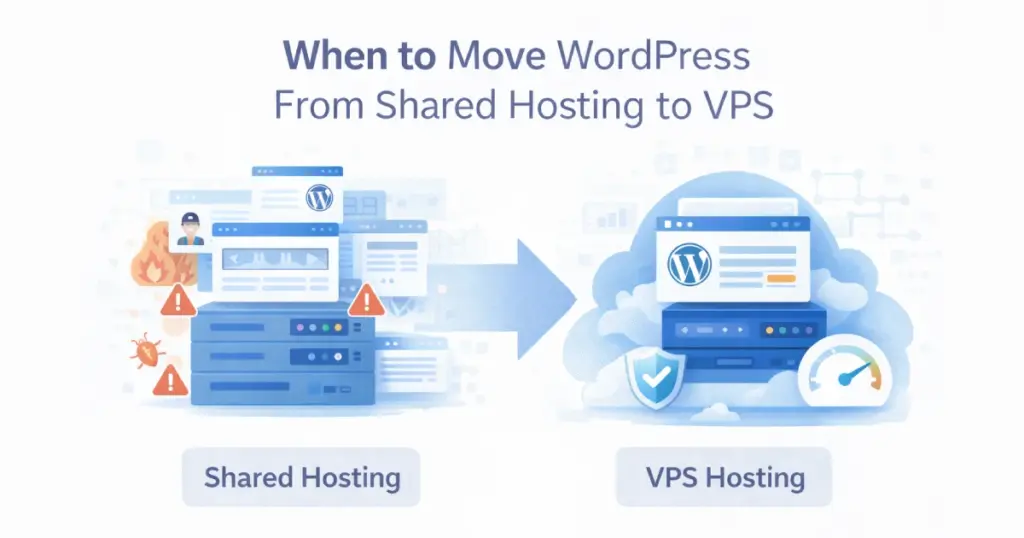
Shared hosting is often where WordPress sites begin — it’s affordable, simple, and good enough at low traffic levels. But as a site grows, shared hosting becomes a hidden bottleneck. Performance slows, reliability drops, and troubleshooting turns into guesswork because resources are shared with dozens or hundreds of other sites. The real challenge is knowing […]
How to Build Topic Clusters That Rank in WordPress
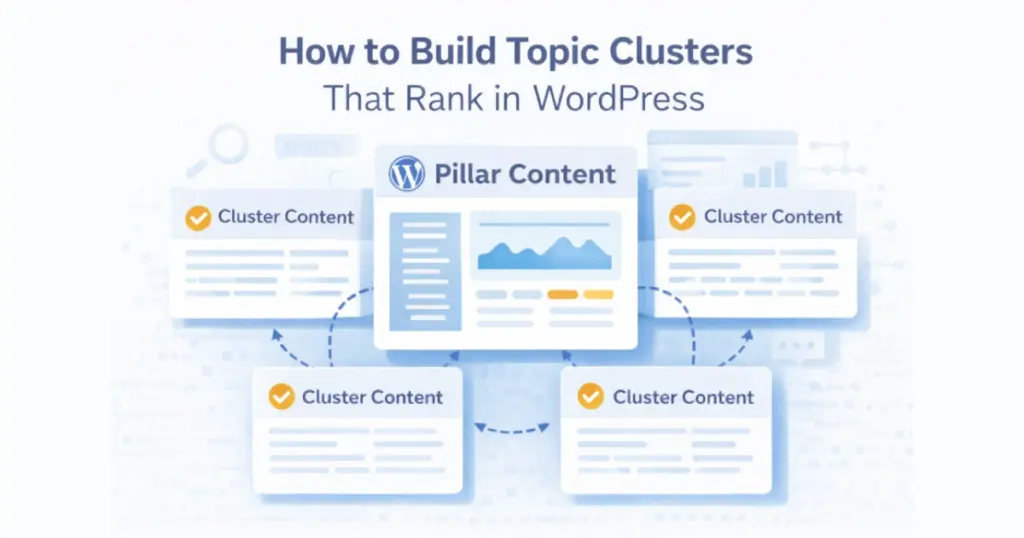
Ranking in modern search engines is no longer about publishing isolated blog posts. Google evaluates topical authority, internal structure, and how well your content ecosystem answers a full range of user intents. Topic clusters are one of the most reliable frameworks for achieving this — especially on WordPress, where internal linking and content organization can […]
How to Build a Reliable Monitoring Stack for WordPress Servers (SRE Best Practices)
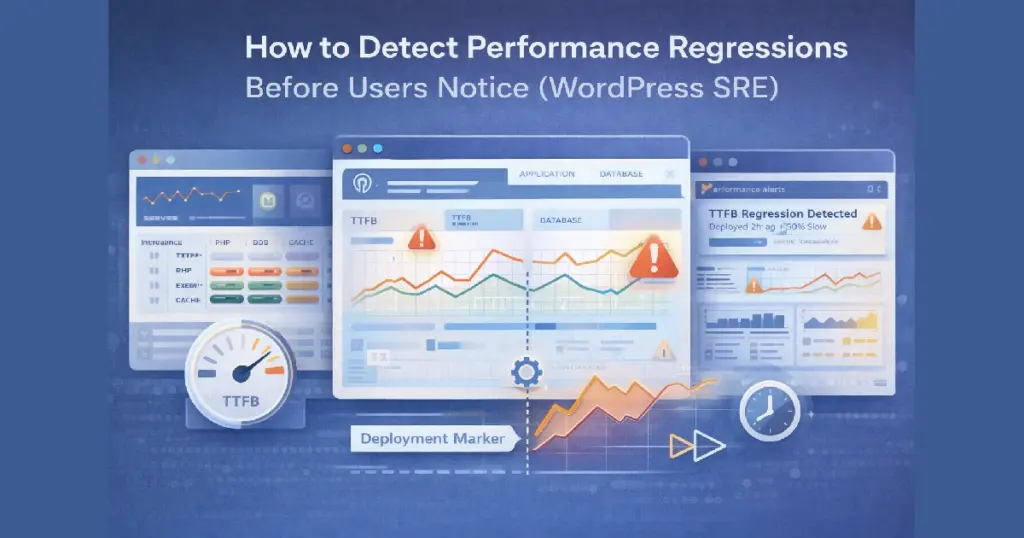
Performance regressions rarely announce themselves clearly. They usually arrive quietly — a slightly slower TTFB, a gradual rise in PHP execution time, a creeping increase in database latency. By the time users complain, the regression has already existed for days or weeks. In Site Reliability Engineering (SRE), the goal is not just to respond to […]
UX Mistakes That Kill Conversions on WordPress Sites
Conversion problems on WordPress sites are rarely caused by traffic quality alone. In most cases, users arrive with intent — but leave because the experience creates friction, confusion, or distrust. These issues often come from small UX mistakes that compound across pages, devices, and user journeys. At Wisegigs.eu, CRO audits consistently show that fixing UX […]