
Safe WordPress Snippets Every Site Eventually Needs
Most WordPress sites eventually accumulate custom code. Sometimes it starts with a small tweak. Sometimes with a quick fix copied from a tutorial. Over time, those snippets become part of the site’s behavior — often without documentation, ownership, or review. At Wisegigs.eu, many WordPress issues we diagnose originate from well-intentioned snippets that were never designed […]
How WordPress Performance Breaks as Traffic Grows
WordPress performance almost never collapses suddenly. Instead, it degrades quietly as traffic increases. Pages that once loaded instantly begin to feel sluggish. Admin actions slow down. Background tasks fall behind. Teams react by upgrading servers or adding caching, yet performance continues to deteriorate. At Wisegigs.eu, we consistently see the same pattern: traffic growth does not […]
Why WordPress Sites Fail After “Small” Code Changes
Most WordPress failures don’t come from major rewrites. They come from small, confident changes. A single line added to functions.php.A quick filter adjustment.A “temporary” snippet copied from Stack Overflow. Nothing dramatic happens at first. The site still loads. Editors continue working. Traffic looks normal. Then, days or weeks later, something breaks — often under load, […]
Common Server Panel Misconfigurations That Break WordPress
Most WordPress performance and reliability issues do not start in WordPress. They start one layer below — in the server panel. Control panels promise convenience: quick installs, visual toggles, and simplified management. However, that convenience often comes at the cost of opaque defaults, unsafe assumptions, and misconfigurations that quietly undermine WordPress stability. At Wisegigs.eu, a […]
Most Deployment Pipelines Break for the Same Reasons
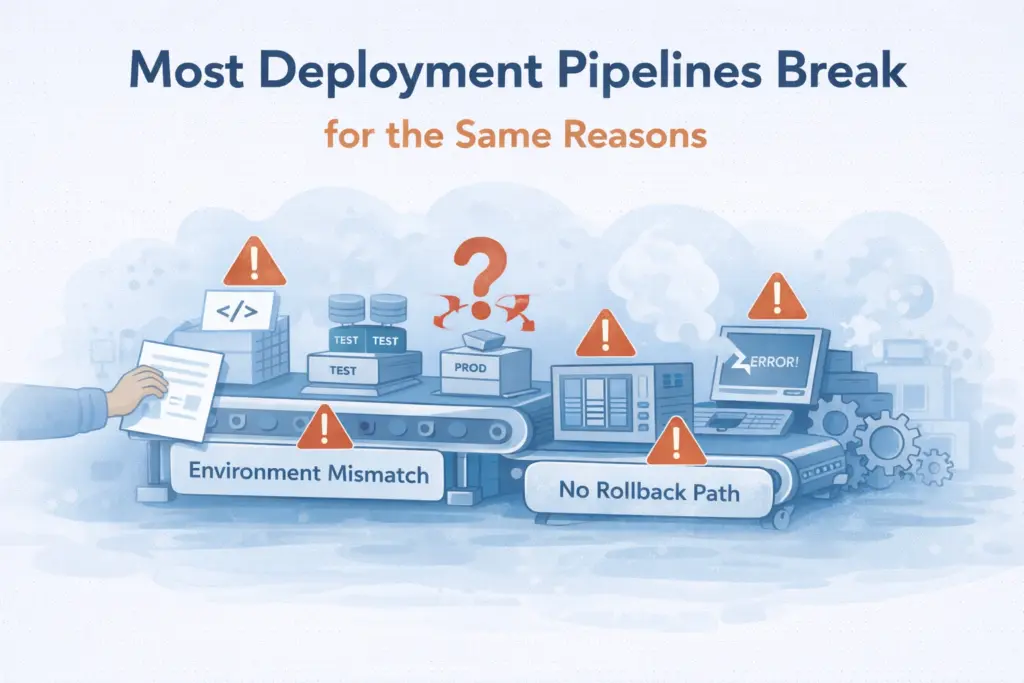
Most deployment pipelines do not fail because teams lack tooling. They fail because pipelines are treated as delivery accelerators instead of risk control systems. On paper, CI/CD pipelines promise faster releases, fewer errors, and smoother deployments. In reality, many teams experience the opposite: brittle releases, late-night rollbacks, and growing distrust in automation. At Wisegigs.eu, we […]
VPS Hosting Is Not “Old School” — It’s Just Misunderstood
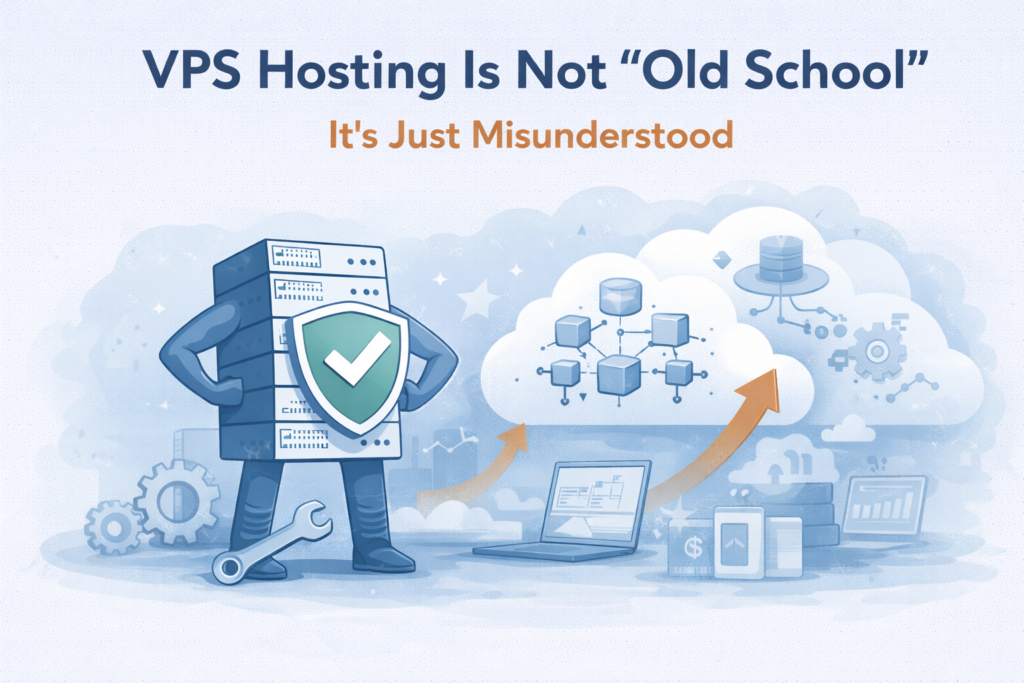
VPS hosting is often described as outdated. However, that perception does not come from technical limitations. Instead, it comes from comparing VPS hosting to cloud platforms using the wrong criteria. In many discussions, VPS hosting sits awkwardly between “cheap shared hosting” and “modern cloud infrastructure.” As a result, teams treat it as a temporary step […]
Hardening WordPress Hosting: What Shared Setups Can’t Protect You From
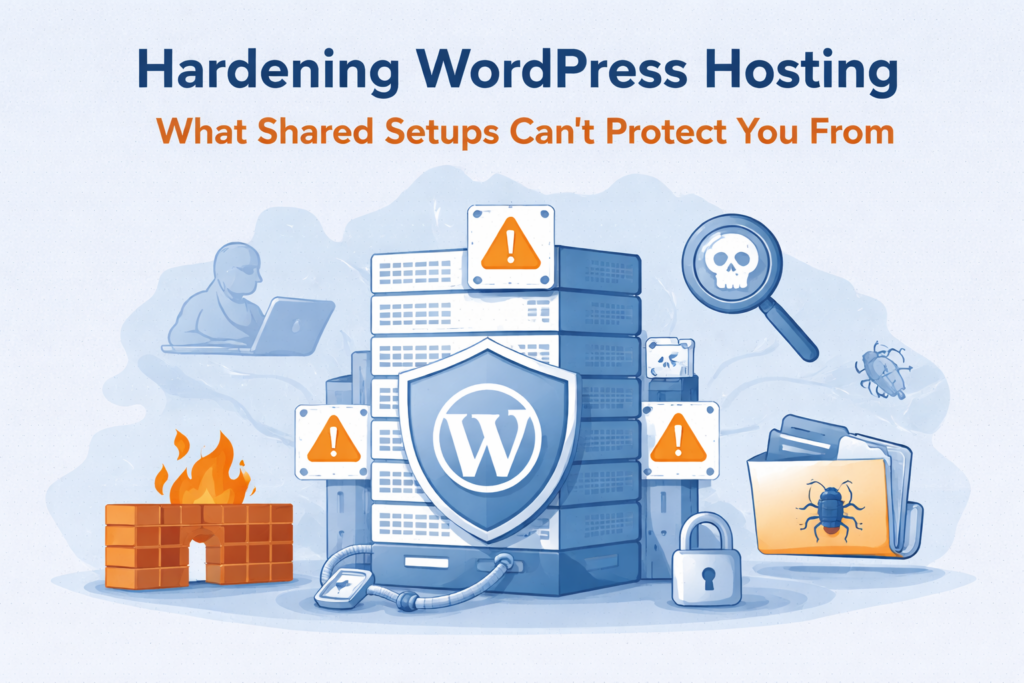
Most WordPress security advice focuses on plugins, passwords, and updates. That advice is not wrong — it’s just incomplete. A large percentage of compromised WordPress sites were technically “secured” at the application level. Plugins were installed. Updates were current. Firewalls were enabled. Yet breaches still occurred. The reason is simple: security hardening that stops at […]
Silent Failures in WordPress Hosting: What Monitoring Misses
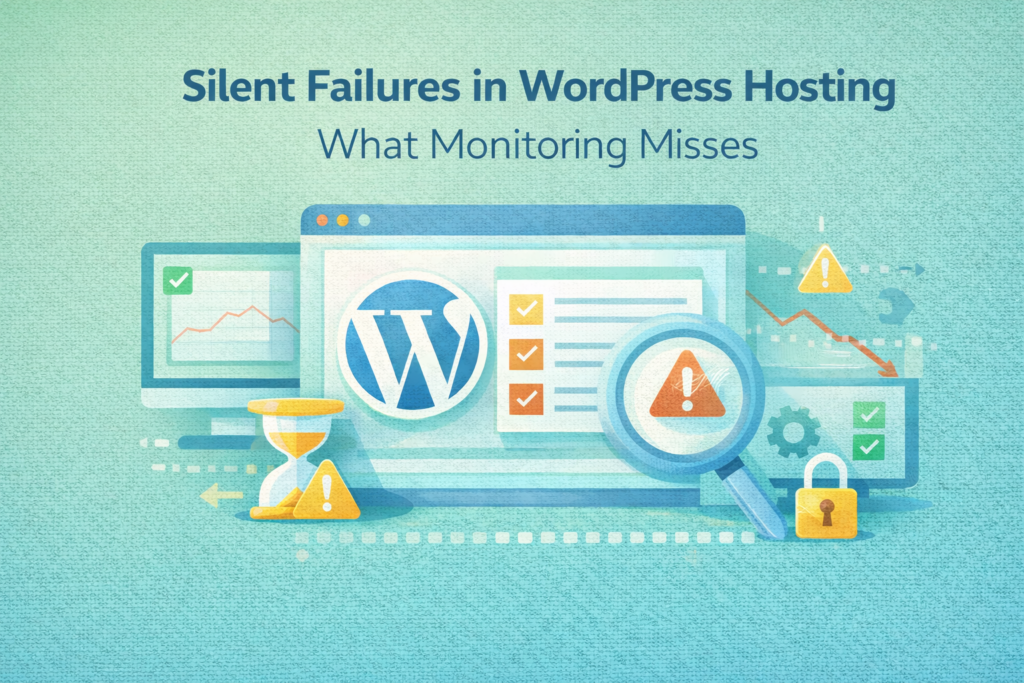
Most WordPress outages don’t start with a crash. They start quietly — with performance degradation, partial failures, and user-visible issues that never trigger alerts. Pages still load. Uptime checks stay green. But conversions drop, error rates climb, and user trust erodes. At Wisegigs.eu, we see silent failures as the most expensive class of hosting problems, […]
Why Your WordPress Landing Pages Don’t Convert (UX Breakdown)
When a WordPress landing page fails to convert, teams often blame traffic quality, ad targeting, or copy. In reality, most conversion problems are caused by UX breakdowns that happen after the click. The page loads. The content is there. But users hesitate, get confused, or lose trust — and leave. At Wisegigs.eu, CRO audits repeatedly […]
From Firewall to WAF: Protecting WordPress at the Edge

Most WordPress security discussions focus on plugins, passwords, and admin hardening. While those matter, the most effective security improvements often happen before traffic ever reaches WordPress. That’s where edge protection comes in. Firewalls, rate limiting, and Web Application Firewalls (WAFs) form the first and most scalable line of defense against attacks, bots, abuse, and traffic […]