
WordPress Flexibility Introduces Structural Risk
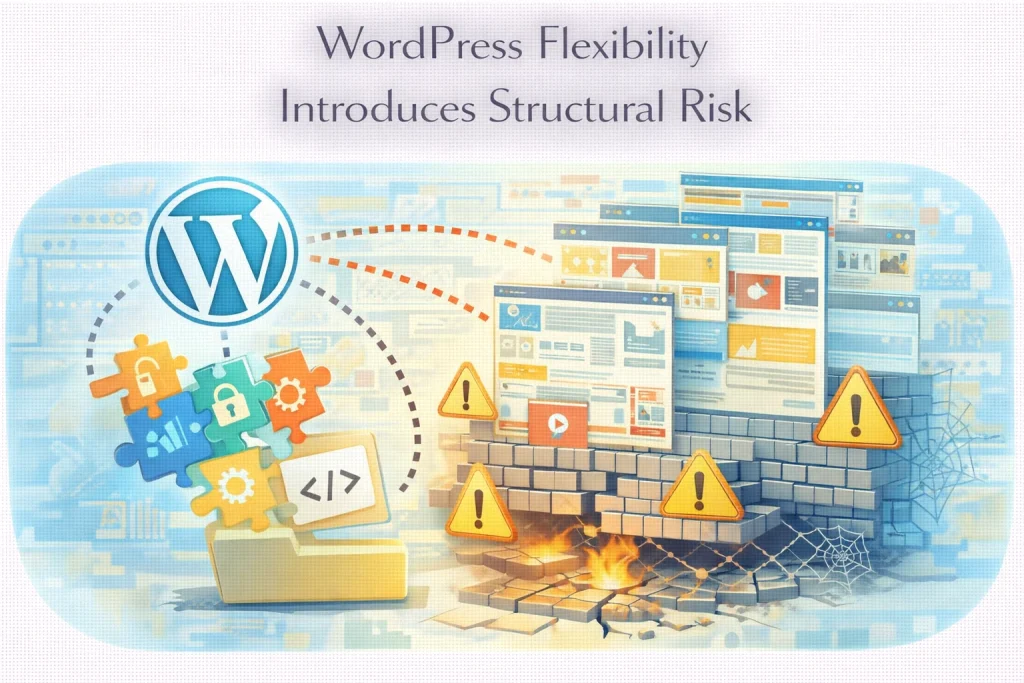
WordPress enables extensive customization. Themes, plugins, and custom code allow developers to modify functionality, appearance, and integration behavior. This flexibility supports diverse use cases, from simple content sites to complex ecommerce platforms. However, flexibility increases structural complexity. At Wisegigs.eu, technical audits frequently reveal WordPress environments where extensive customization introduces unpredictable interactions between components. Systems continue […]
How to Identify Database Bottlenecks in WordPress
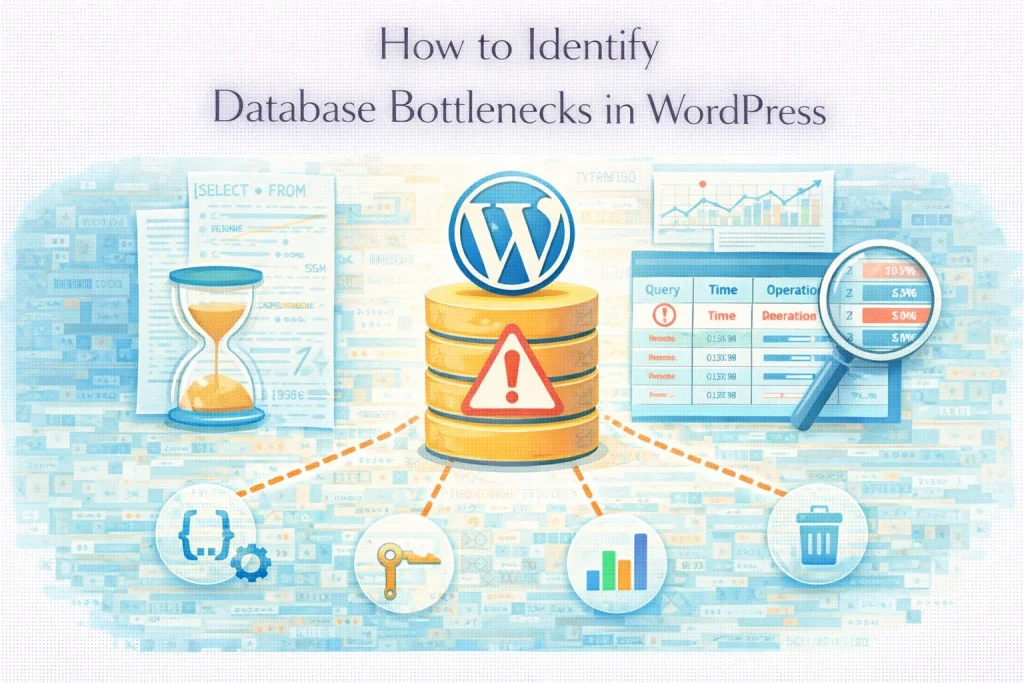
WordPress performance often depends on database efficiency. Even when servers provide sufficient CPU and memory resources, slow queries may still introduce latency. Database bottlenecks affect page generation speed, admin responsiveness, and API execution consistency. At Wisegigs.eu, performance diagnostics frequently reveal environments where database inefficiencies limit overall responsiveness. Identifying these bottlenecks allows teams to improve stability […]
Why WordPress Performance Problems Rarely Originate in Core
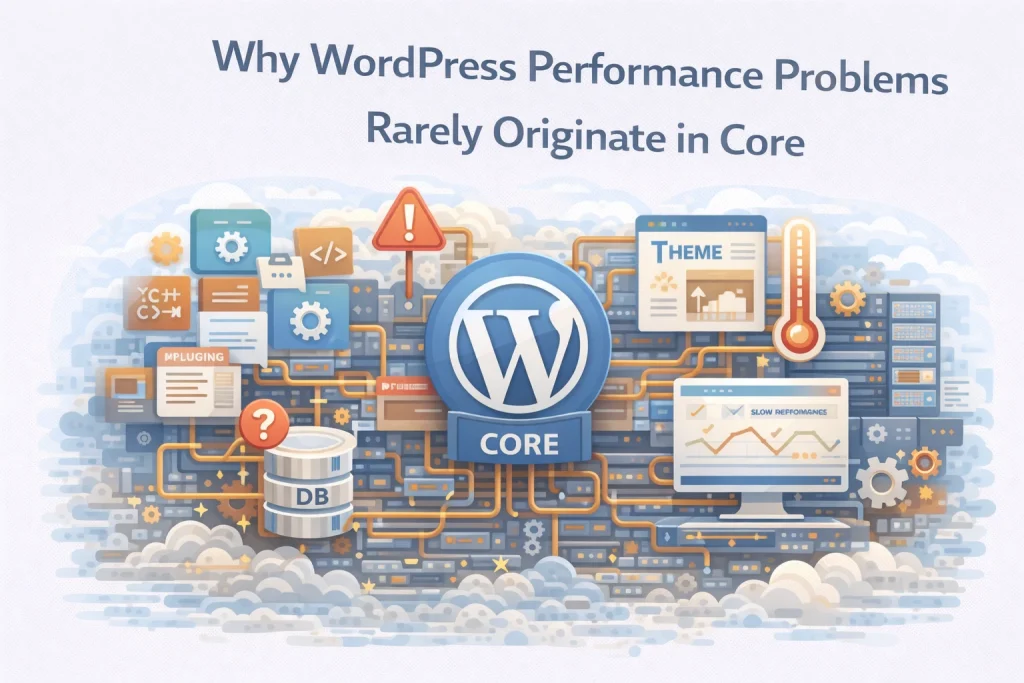
WordPress powers a significant portion of the web. Its architecture supports a wide range of applications, from small blogs to complex e-commerce platforms. Because of this flexibility, WordPress is frequently blamed when websites experience performance issues. However, WordPress core is rarely the primary cause of slow sites. At Wisegigs.eu, performance audits consistently show that most […]
How to Optimize WordPress Database Performance With Indexing
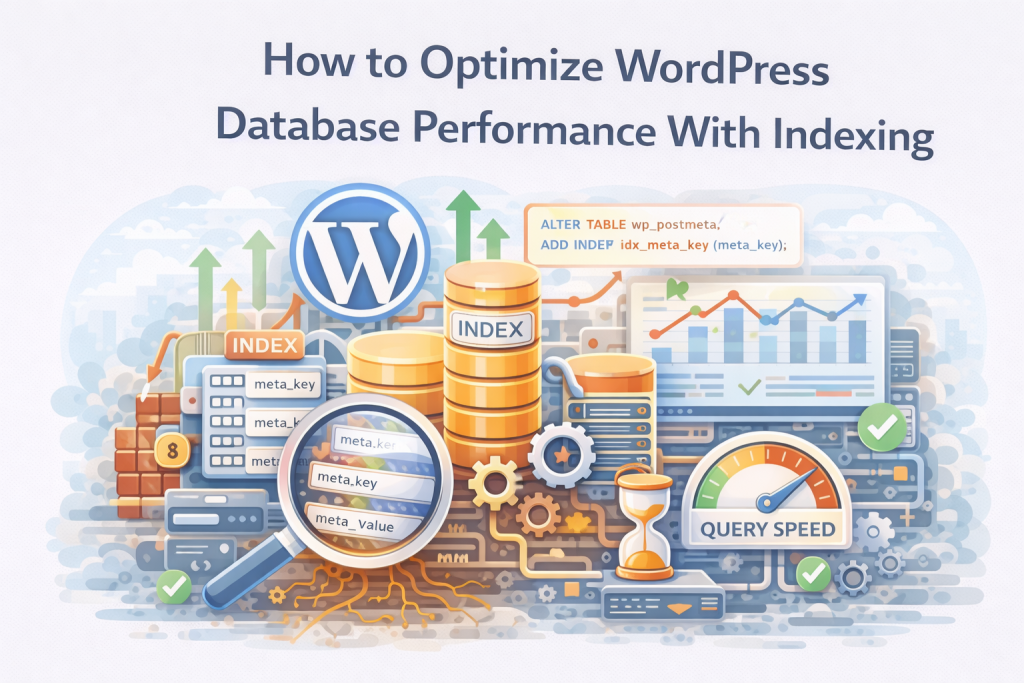
Database performance plays a critical role in WordPress speed. Every page request triggers multiple database queries. WordPress retrieves posts, metadata, options, taxonomy data, and user information before generating a response. As a result, database efficiency directly affects page load time. However, many WordPress installations rely entirely on default database indexing. At Wisegigs.eu, performance audits frequently […]
Caching Without Diagnosis Creates Unstable WordPress Sites
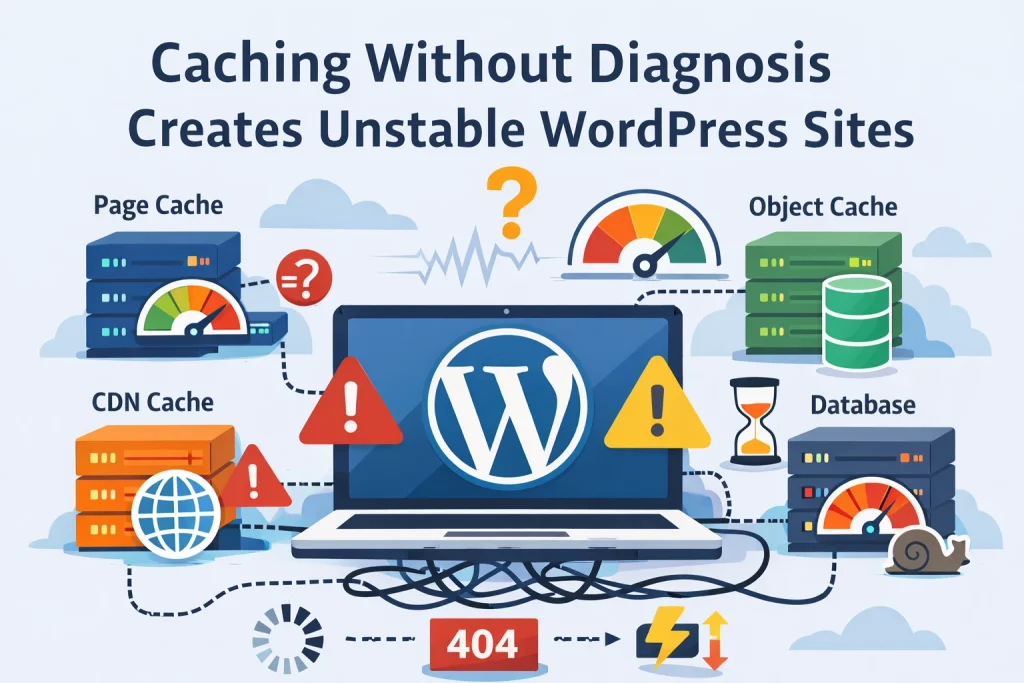
Caching is strongly associated with performance improvement. When WordPress sites exhibit slowness, caching plugins often become the first intervention. Page caching, object caching, CDN integration, and optimization layers appear to offer immediate speed gains with minimal effort. Because these mechanisms are easy to deploy, many environments accumulate caching components rapidly. However, caching does not inherently […]
How WordPress Request Handling Really Works
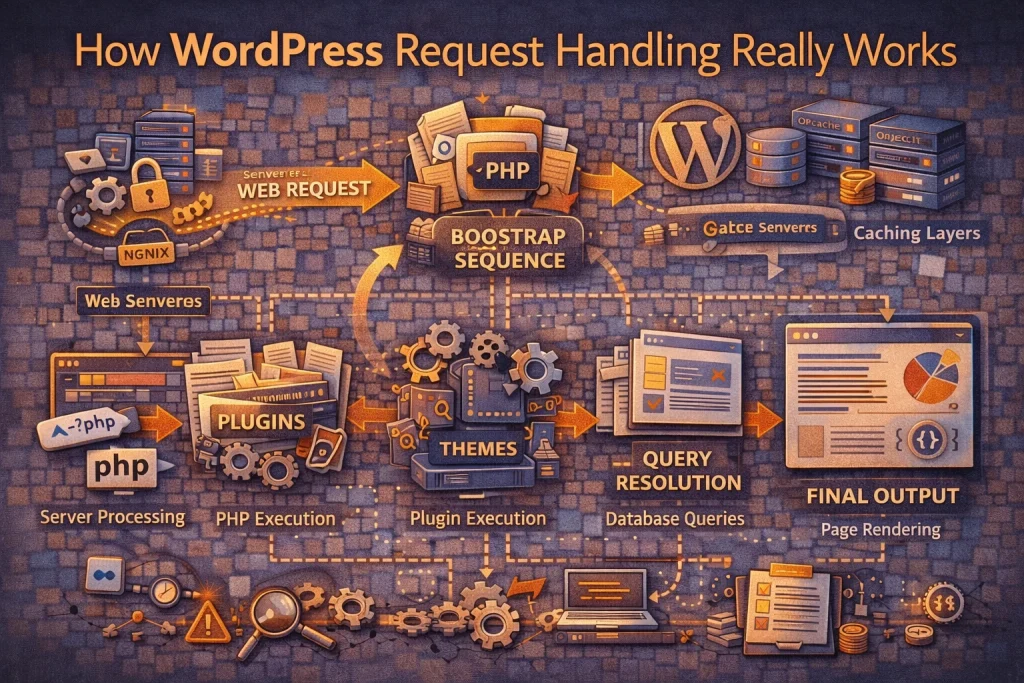
WordPress appears deceptively simple. A visitor opens a URL, and a page loads. Because this interaction feels instantaneous, many developers treat request handling as a black box. As long as the output looks correct, deeper mechanics often remain unexplored. However, WordPress request handling is highly dynamic. At Wisegigs.eu, numerous performance anomalies, caching conflicts, and plugin […]
What Actually Happens During a WordPress Request
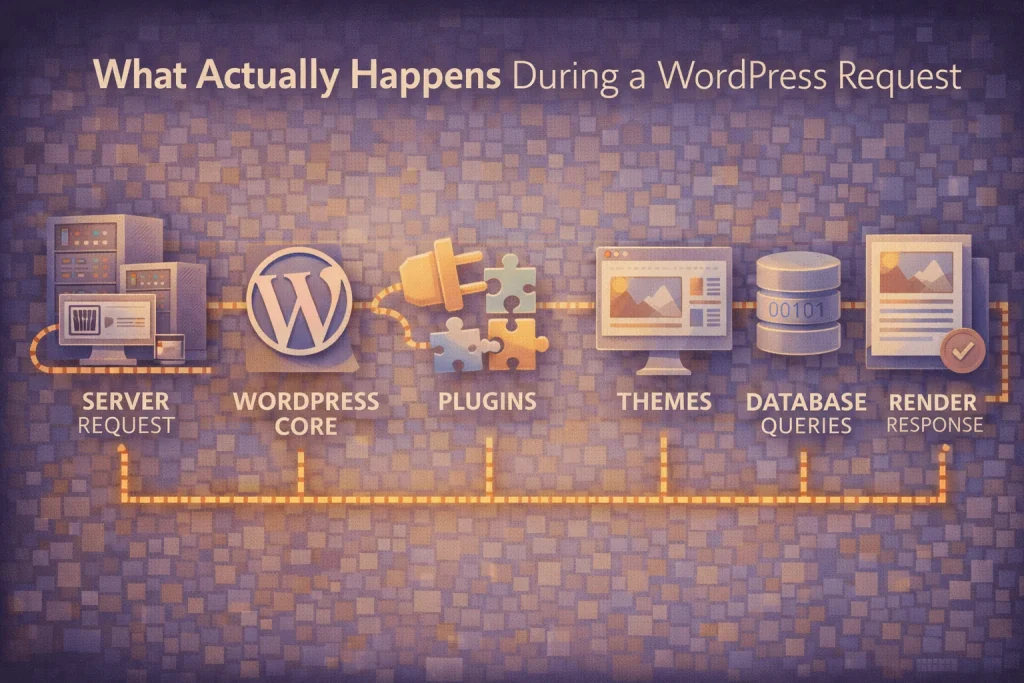
WordPress often feels simple from the outside. A URL is loaded, a page appears, and content renders as expected. Because of this, many teams assume WordPress behaves like a straightforward page renderer. In reality, every WordPress request triggers a complex execution flow that touches core files, configuration, plugins, themes, and the database before anything is […]