
Modular Code Structure Reduces Implementation Variability
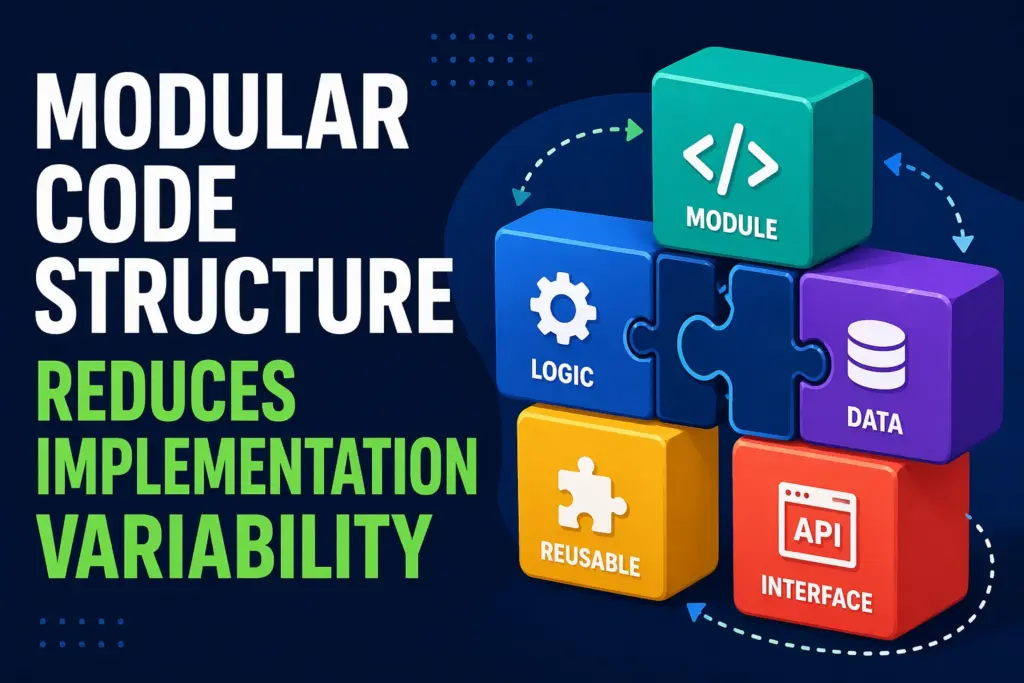
Development stability depends on structural reuse. Software systems evolve through continuous iteration. New features extend existing logic, integrate with external services, and introduce new behavioral conditions. Without structured modularization, repeated implementation patterns introduce inconsistency across the codebase. Structure influences implementation predictability. Duplicated logic increases variability risk. Variability reduces maintainability continuity. At Wisegigs.eu, engineering reviews frequently […]
API Structure Determines Integration Reliability
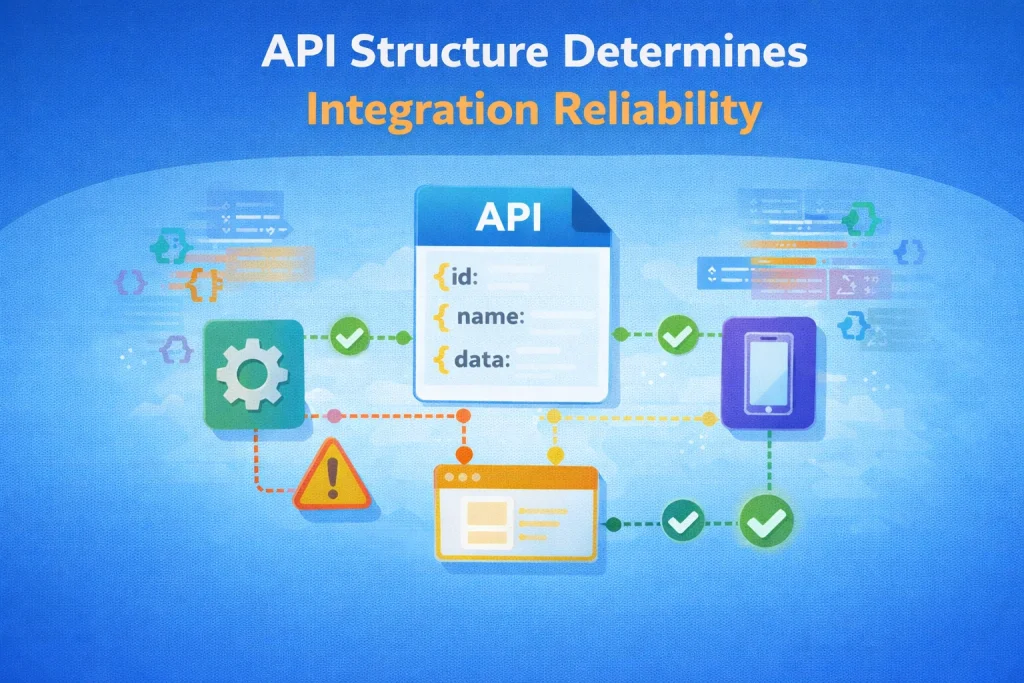
System interaction reliability depends on interface clarity. Applications rarely operate in isolation. Instead, services exchange data through defined interfaces. These interfaces determine how systems interpret requests, validate responses, and maintain operational consistency. Structure influences interaction predictability. Unclear interfaces introduce ambiguity between communicating components. Ambiguity increases integration failure probability. At Wisegigs.eu, system audits frequently identify instability […]
Why Internal APIs Fail Without Versioning Discipline
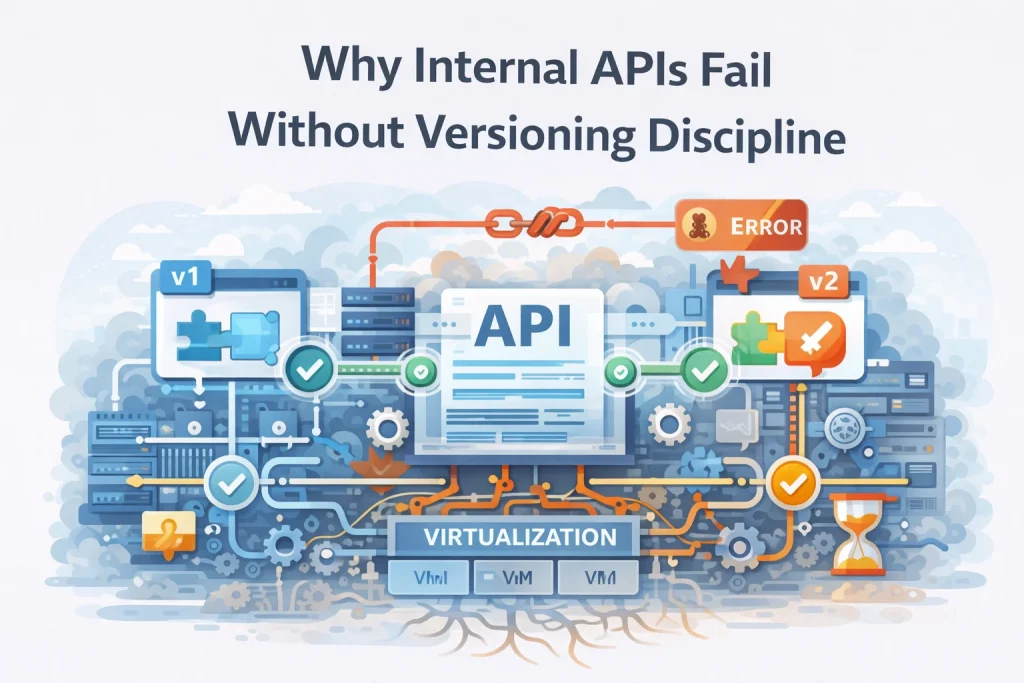
Internal APIs enable modern software architecture. Microservices, integrations, and automation pipelines depend on structured interfaces to exchange data and trigger operations. Because internal APIs operate inside controlled environments, teams often assume they can evolve quickly without strict governance. However, internal APIs frequently become a major source of system instability. At Wisegigs.eu, development investigations regularly reveal […]
Why APIs Fail at the Edges, Not the Core
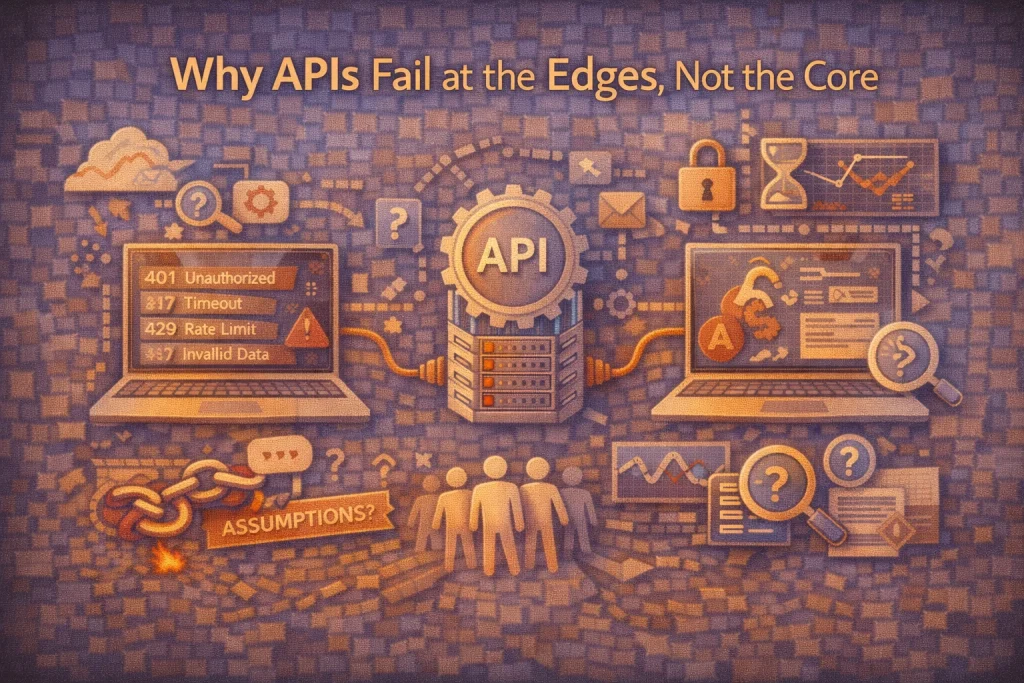
API failures are frequently misdiagnosed. When integrations break, teams often assume that the underlying service is unreliable, poorly implemented, or inherently unstable. Because APIs are treated as discrete components, failure is commonly attributed to the provider rather than the interaction model. In practice, however, most API failures do not originate in the core system. At […]
How Poor API Design Creates Long-Term Risk
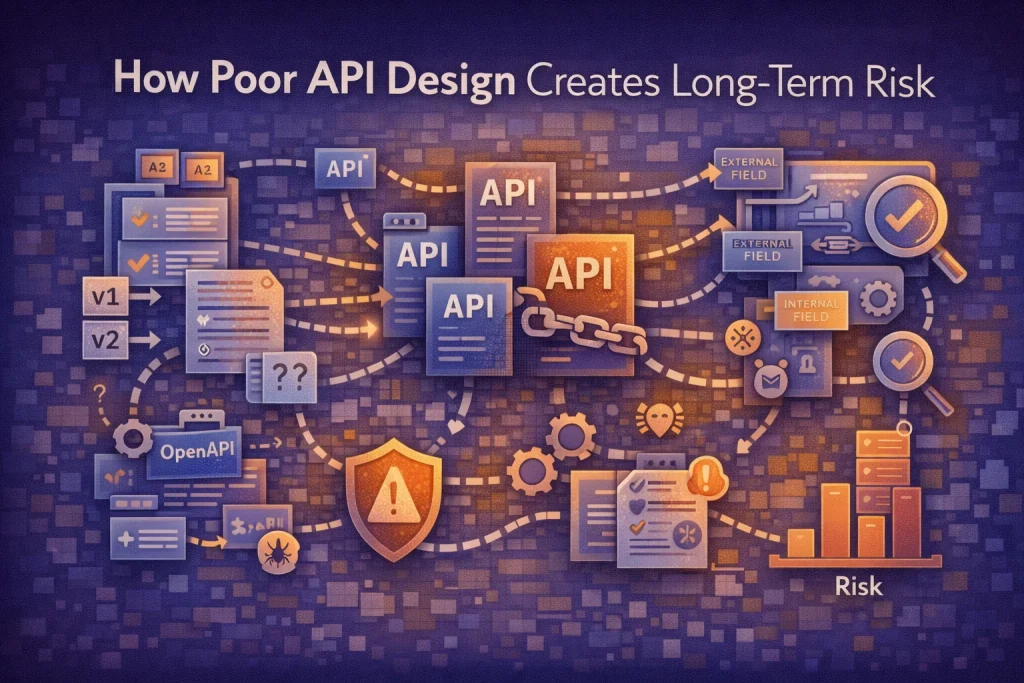
APIs are often introduced to simplify system integration. In practice, they connect services, enable data exchange, and help teams move faster. Initially, these benefits are clear and measurable. However, as systems grow and more consumers rely on the API, early design decisions begin to matter far more than expected. At Wisegigs.eu, many long-term operational issues […]