
Why Server Security Failures Often Begin With Configuration Drift
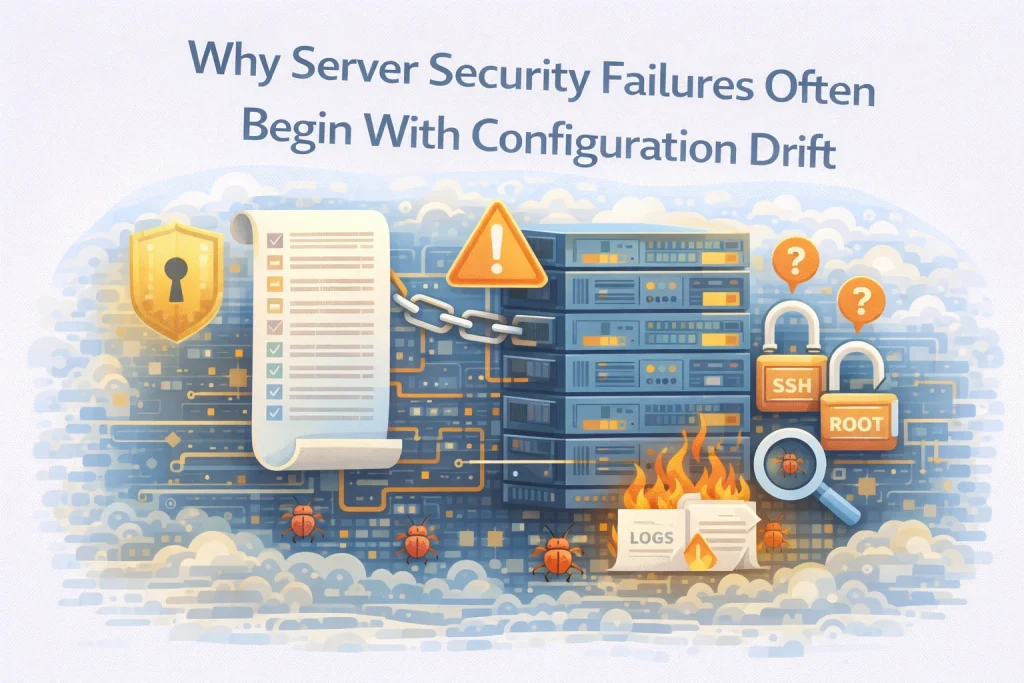
Server security failures rarely appear suddenly. Most infrastructure breaches occur after gradual configuration changes weaken the original security baseline. Small operational adjustments accumulate over time, eventually creating gaps that attackers can exploit. Because these changes happen incrementally, they often go unnoticed. At Wisegigs.eu, infrastructure audits frequently reveal servers that were initially configured securely but slowly […]
Why Default Configurations Create Hidden Risk
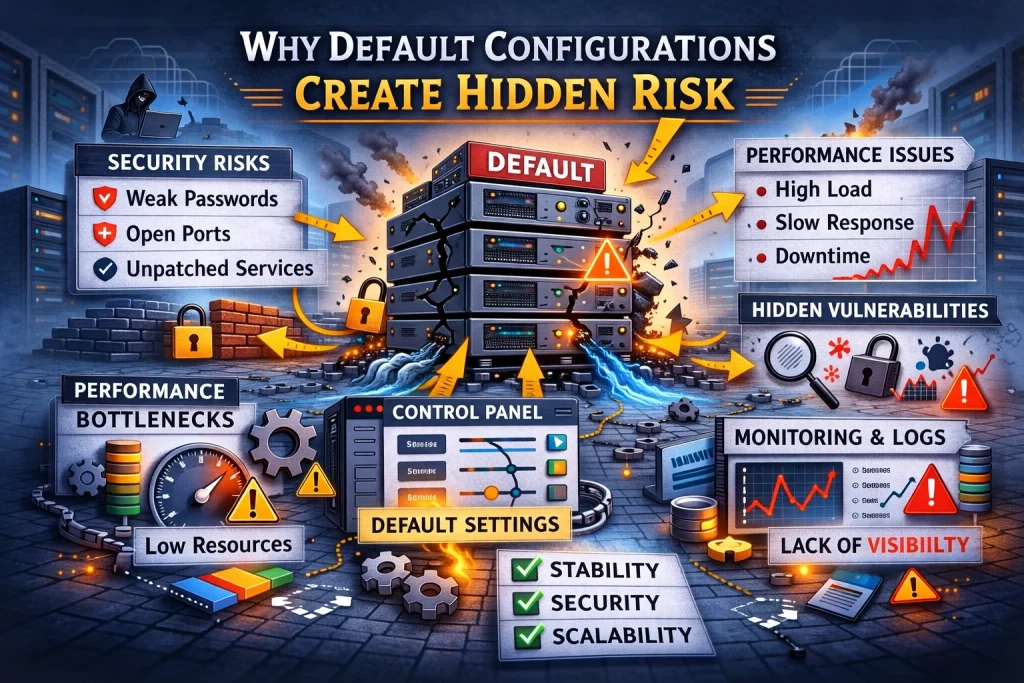
Default configurations are designed for accessibility. Operating systems, control panels, and server software ship with baseline settings that prioritize compatibility and ease of deployment. Because these defaults reduce initial friction, many systems reach production without significant adjustments. However, defaults are not optimized for real workloads. At Wisegigs.eu, a substantial portion of infrastructure instability, security weaknesses, […]
Why Security Controls Fail Without Operational Discipline
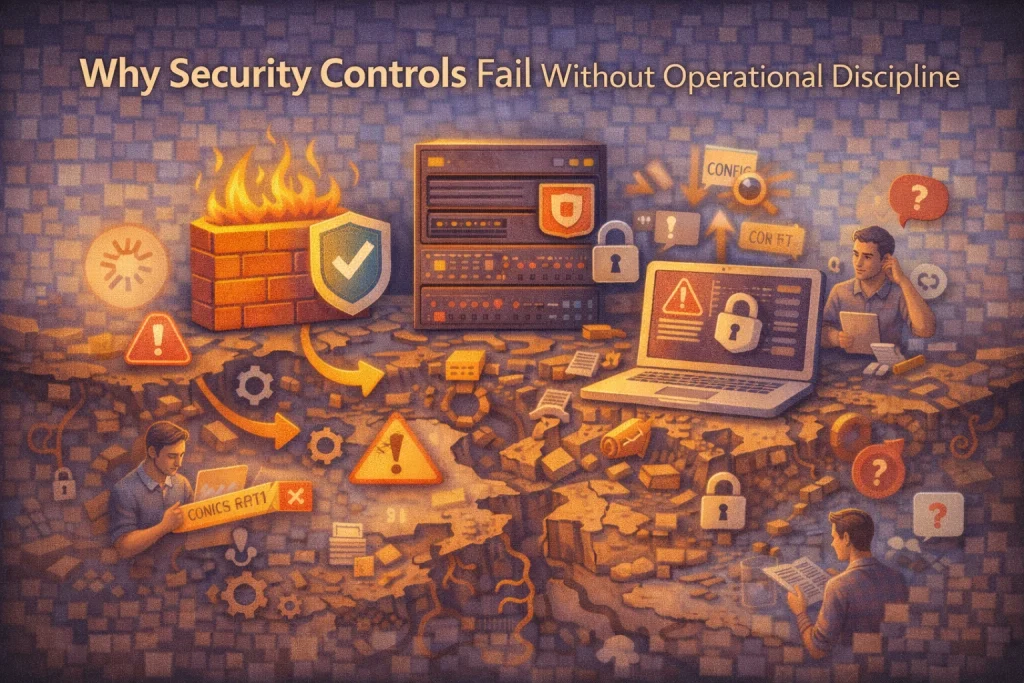
Security controls are widely treated as protective guarantees. Firewalls, intrusion detection systems, malware scanners, and access controls create a reassuring sense of safety. Because these mechanisms are visible and measurable, organizations often assume that deploying them significantly reduces risk. In practice, however, security controls frequently fail. At Wisegigs.eu, many infrastructure security incidents occur in environments […]