
Security Control Structure Influences Compliance Accuracy
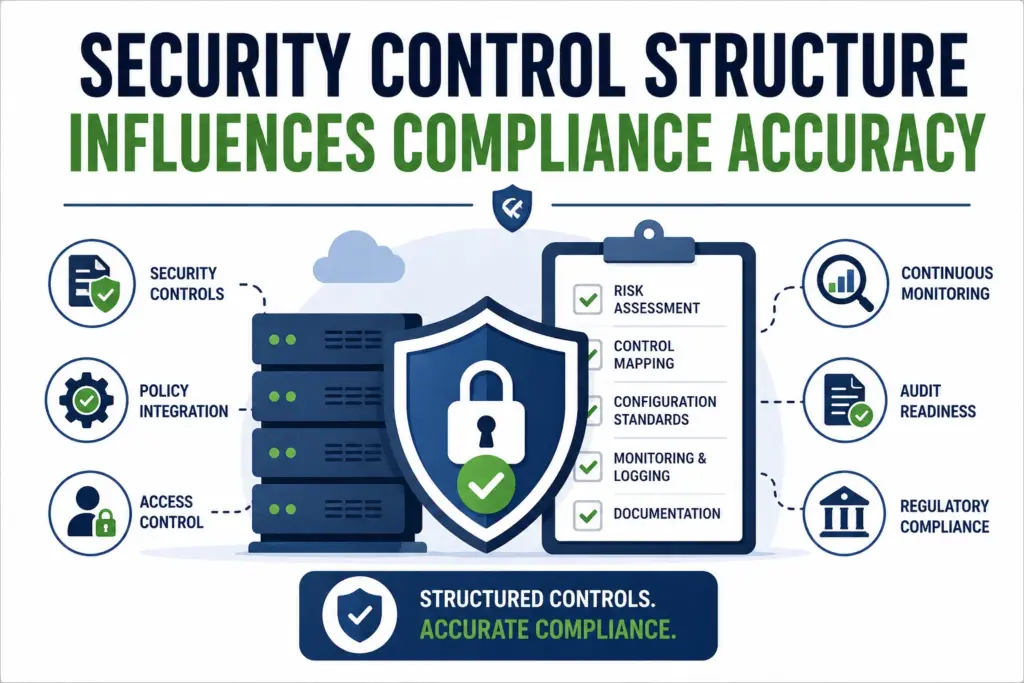
Compliance failures rarely originate from missing controls. Most issues occur because controls exist but are inconsistently structured, poorly enforced, or disconnected from system behavior. When control logic is fragmented, compliance becomes unreliable even if tools are present. Structure determines compliance outcomes. At Wisegigs.eu, infrastructure audits consistently show that compliance gaps are caused by inconsistent control […]
Infrastructure Security Structure Reduces Compliance Risk Exposure

Infrastructure trust depends on control consistency. Hosting environments process sensitive data, manage authentication logic, and support business-critical services. These responsibilities require predictable protection boundaries that align with regulatory expectations and operational reliability requirements. Security structure influences compliance exposure. When security controls remain standardized, verification becomes predictable. When protection logic becomes fragmented, risk exposure increases. At […]
Why Security Controls Fail Without Operational Discipline
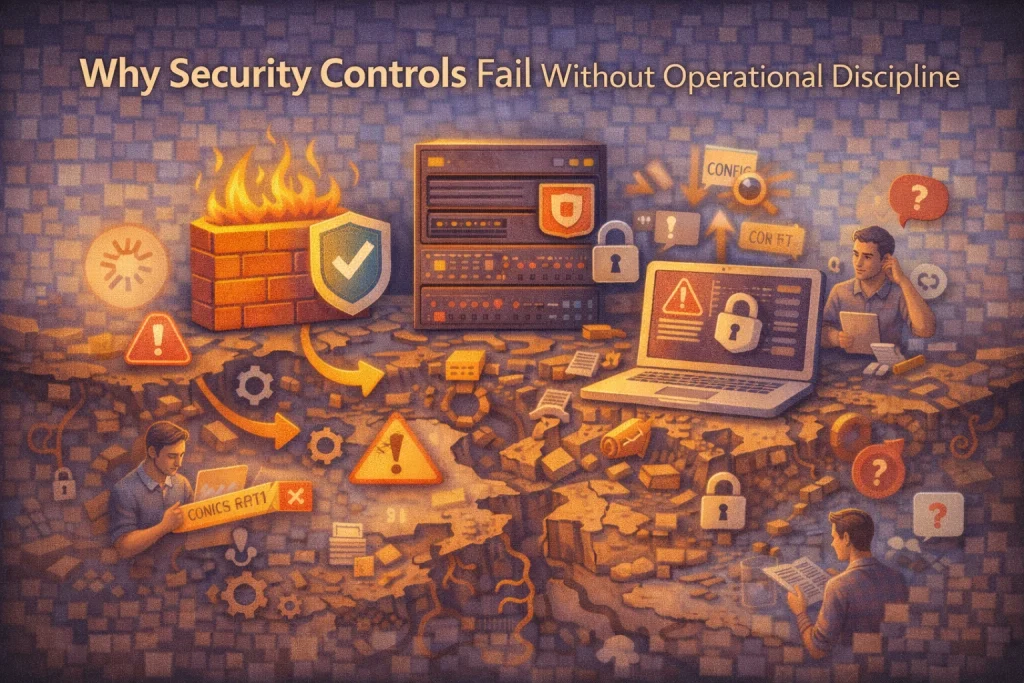
Security controls are widely treated as protective guarantees. Firewalls, intrusion detection systems, malware scanners, and access controls create a reassuring sense of safety. Because these mechanisms are visible and measurable, organizations often assume that deploying them significantly reduces risk. In practice, however, security controls frequently fail. At Wisegigs.eu, many infrastructure security incidents occur in environments […]