
How Poor Security Planning Increases Operational Risk
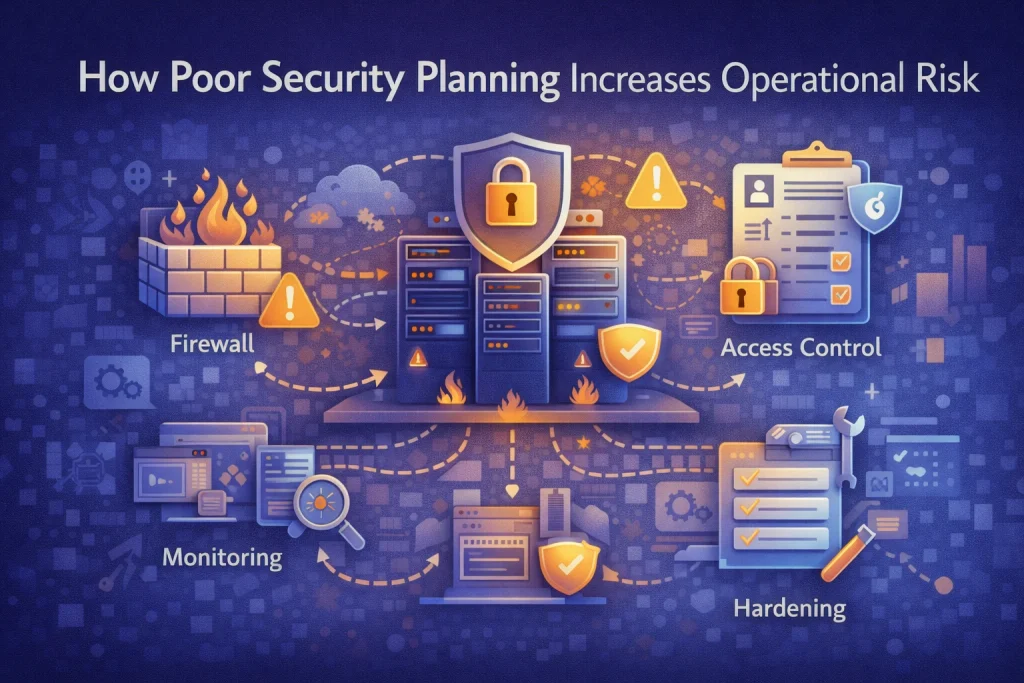
Security incidents rarely begin with an attack. They begin with assumptions. Systems appear stable. Updates work. Backups exist. Monitoring shows normal activity. Because nothing is visibly broken, security is often treated as a checklist rather than a strategy. At Wisegigs, most security issues we investigate are not caused by sophisticated attackers. They are caused by […]
Why WordPress Security Is a Requirement, Not a Feature
WordPress security is a requirement, not a feature. Many site owners still treat security as something optional, added only after a problem appears. However, modern websites operate in an environment where automated attacks, bots, and vulnerabilities are constant. Because of this, security can no longer be treated as an add-on. It must be part of […]
Why Compliance Does Not Equal Security
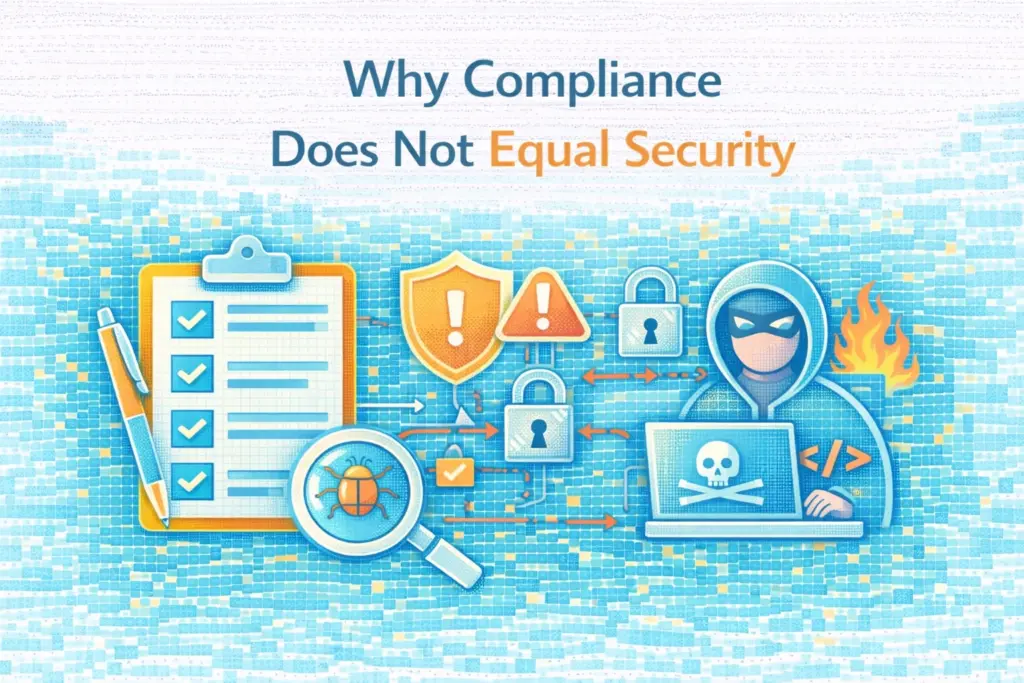
Passing a compliance checklist feels reassuring. Boxes are checked. Reports are generated. Auditors sign off. Yet breaches continue to happen in environments that are technically “compliant.” At Wisegigs.eu, many security incidents occur in systems that meet formal compliance requirements. The issue is not that compliance is useless. The issue is that compliance measures alignment, not […]
How Poor Hardening Creates False Confidence
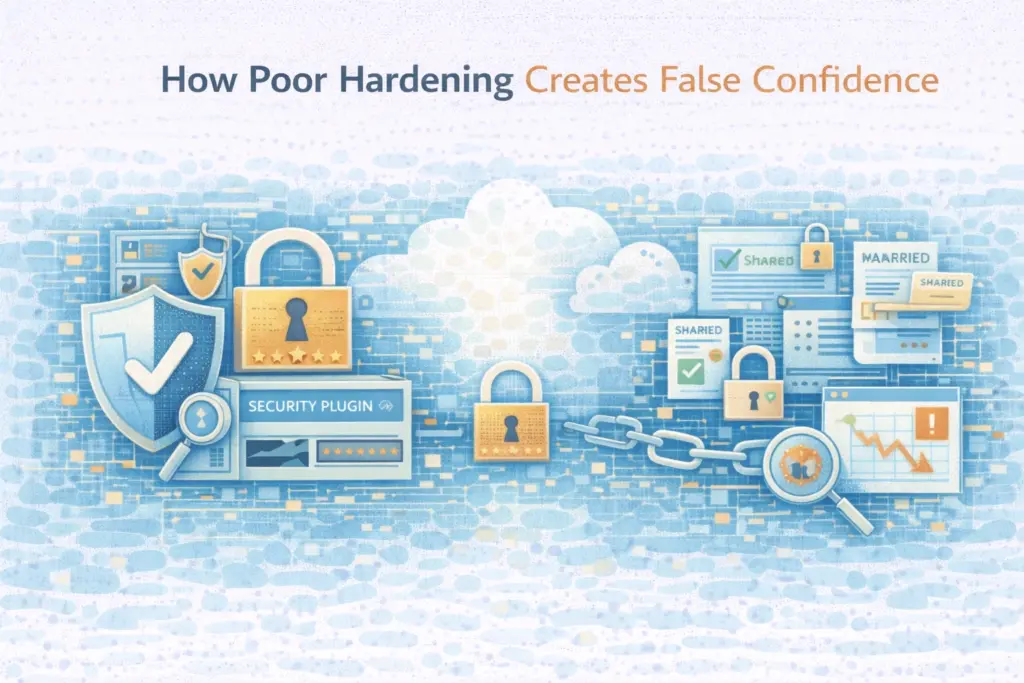
Security hardening is often treated as a checklist. Disable XML-RPC.Install a security plugin.Change the admin URL.Lock down file permissions. Once these steps are complete, teams feel protected. That confidence is dangerous. At Wisegigs.eu, many WordPress incidents occur on sites that were already “hardened.” Not because hardening is useless, but because poor hardening creates a false […]
Most WordPress Security Problems Are Operational
When WordPress sites get compromised, the explanation often sounds familiar.A zero-day vulnerability. A sophisticated attacker. An unavoidable breach. However, in real-world incidents, most WordPress security problems do not start with hackers. Instead, they begin with operational gaps that quietly accumulate over time. At Wisegigs.eu, security incidents almost always trace back to decisions made long before […]
Hardening WordPress Hosting: What Shared Setups Can’t Protect You From
Most WordPress security advice focuses on plugins, passwords, and updates. That advice is not wrong — it’s just incomplete. A large percentage of compromised WordPress sites were technically “secured” at the application level. Plugins were installed. Updates were current. Firewalls were enabled. Yet breaches still occurred. The reason is simple: security hardening that stops at […]
From Firewall to WAF: Protecting WordPress at the Edge

Most WordPress security discussions focus on plugins, passwords, and admin hardening. While those matter, the most effective security improvements often happen before traffic ever reaches WordPress. That’s where edge protection comes in. Firewalls, rate limiting, and Web Application Firewalls (WAFs) form the first and most scalable line of defense against attacks, bots, abuse, and traffic […]
Secure WordPress Development Workflow (From Local to Production)
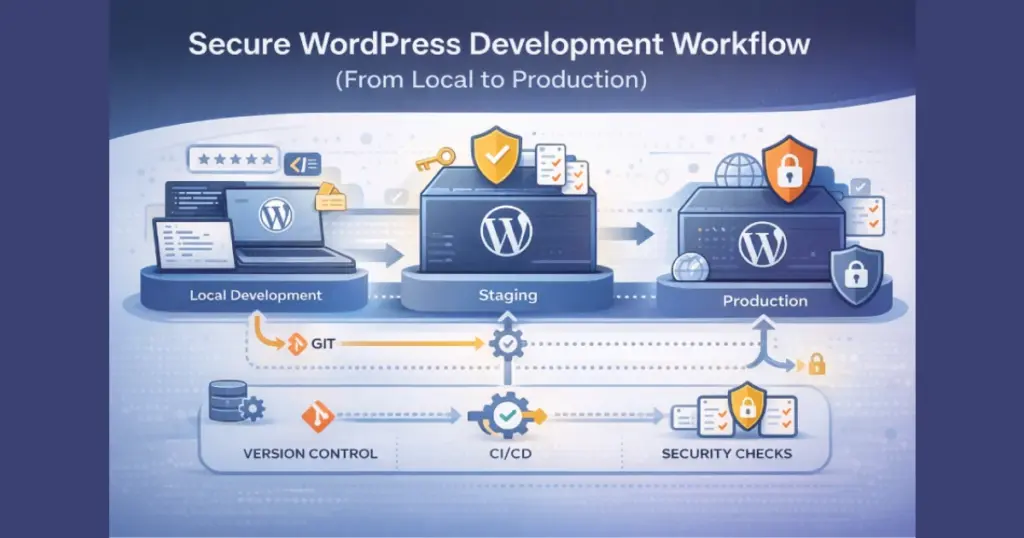
Security issues in WordPress rarely come from a single mistake in production. Most vulnerabilities are introduced earlier in the development workflow — insecure local setups, shared credentials, missing reviews, rushed deployments, or inconsistent environments. By the time code reaches production, the damage is already done. At Wisegigs.eu, we treat WordPress security as a workflow problem, […]
Essential WordPress Security Fundamentals Every Site Owner Should Apply
A secure WordPress environment doesn’t happen by accident. It’s built through consistent habits, smart configuration choices, and a clear understanding of how attackers typically exploit websites. Whether you run a personal blog or a high-traffic business site, strengthening your security posture reduces downtime, protects your data, and maintains user trust. At Wisegigs.eu, we help teams […]
WordPress Server Security Essentials: A Practical Guide for Modern Hosting
A secure hosting environment is one of the most important foundations of a stable WordPress website. Even the fastest servers fail when security is weak, and a single misconfiguration can expose your entire system to attacks. Modern hosting requires a mix of strong defaults, proactive monitoring, and structured security practices to protect websites from evolving […]