
Resource Isolation Structure Influences Application Stability
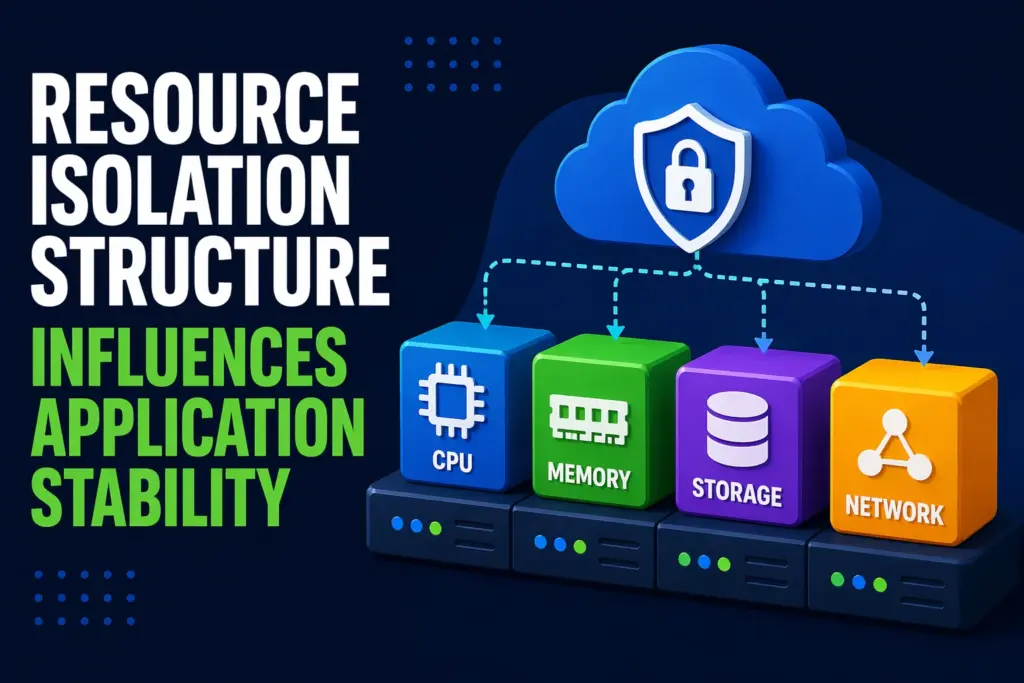
Infrastructure stability depends on resource boundaries. Modern applications operate in shared environments where compute, memory, storage, and network capacity must be distributed efficiently. Without structured isolation, resource contention introduces unpredictable performance variability. Structure influences application predictability. Shared workloads increase interference probability. Interference reduces operational reliability. At Wisegigs.eu, infrastructure diagnostics frequently identify instability caused by unstructured […]
VPS Resource Isolation Improves Hosting Performance Predictability
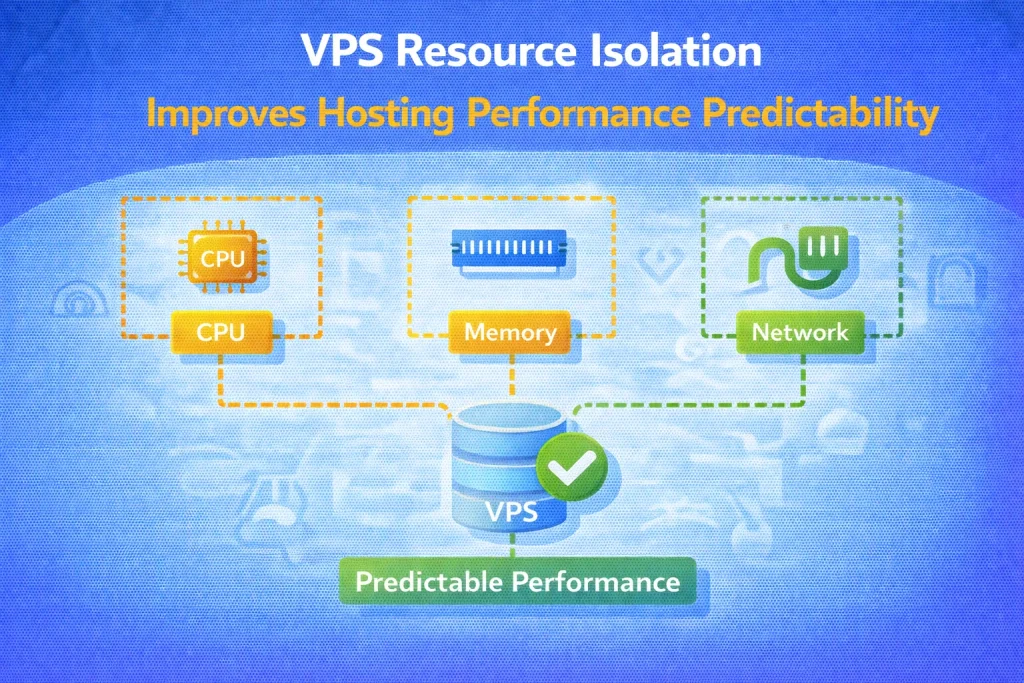
Infrastructure performance stability depends on resource isolation clarity. Shared hosting environments distribute computing resources across multiple tenants. Resource contention introduces unpredictable performance variability when workload demand fluctuates between accounts. Isolation influences performance predictability. When resources remain isolated, workload behavior becomes consistent. When resources are shared without clear boundaries, variability increases. At Wisegigs.eu, hosting audits frequently […]
Why VPS Hosting Stability Depends on Isolation, Not Specs
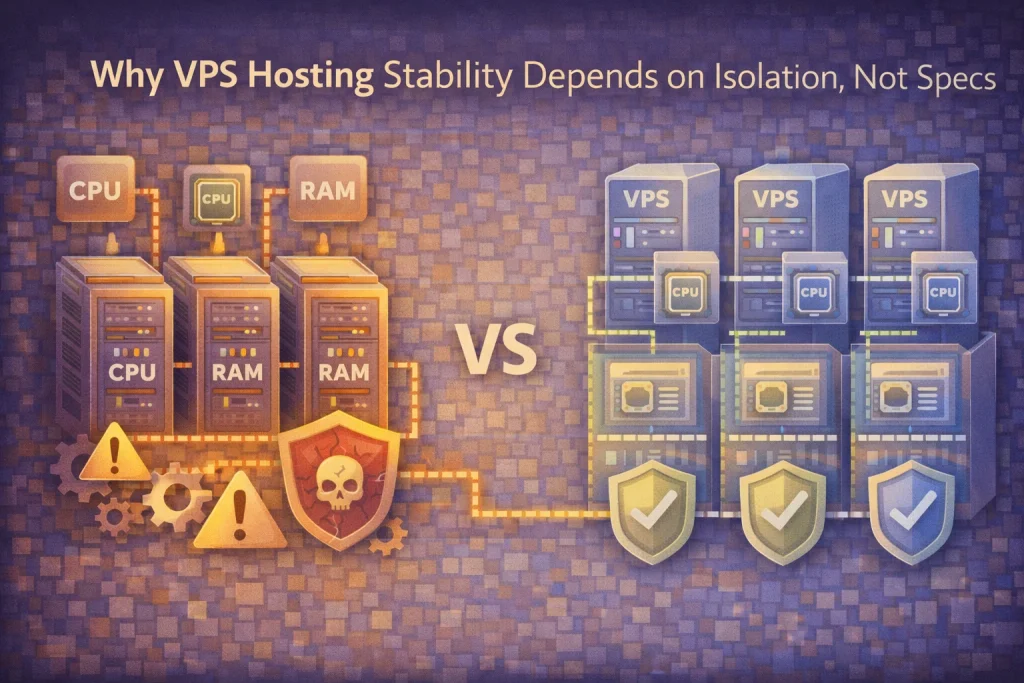
VPS hosting is usually sold with numbers. CPU cores, RAM size, disk space, and bandwidth dominate comparison tables. Because of this, many teams assume that higher specifications automatically lead to better stability. In reality, VPS stability depends far less on raw specifications and far more on resource isolation. At Wisegigs.eu, many VPS incidents we investigate […]
Why Resource Isolation Matters in VPS Environments
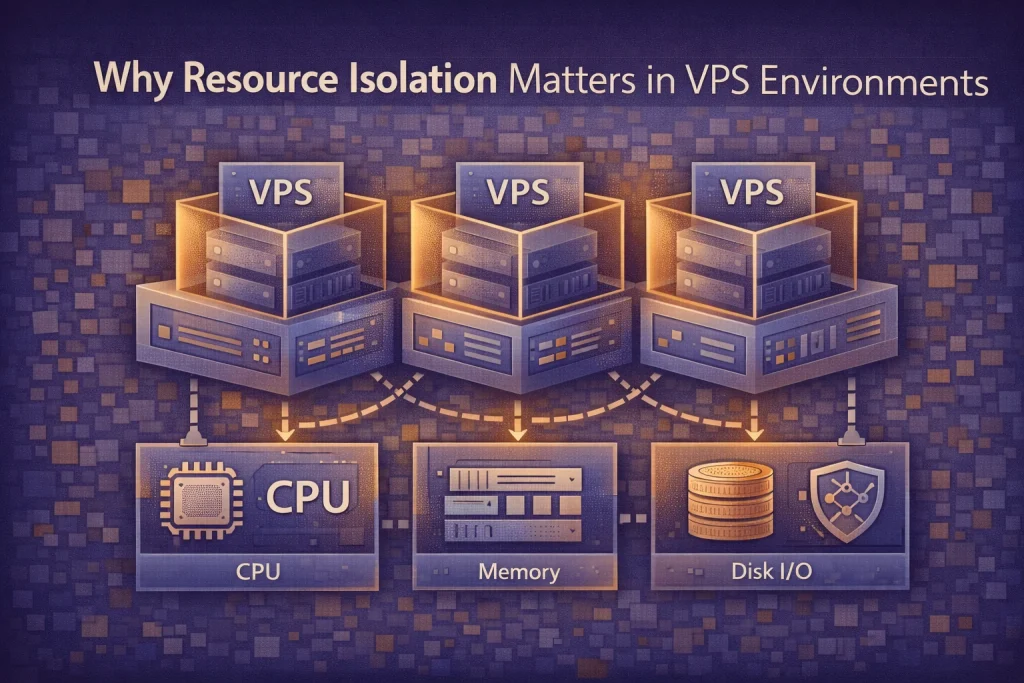
VPS hosting is often promoted as a straightforward upgrade from shared hosting. At first glance, the benefits appear obvious. You get more CPU, more memory, and greater control over your server environment. Because of this, many teams assume that performance problems disappear automatically after moving to a VPS. In reality, performance and stability depend far […]