
Security Control Structure Improves Compliance Accuracy
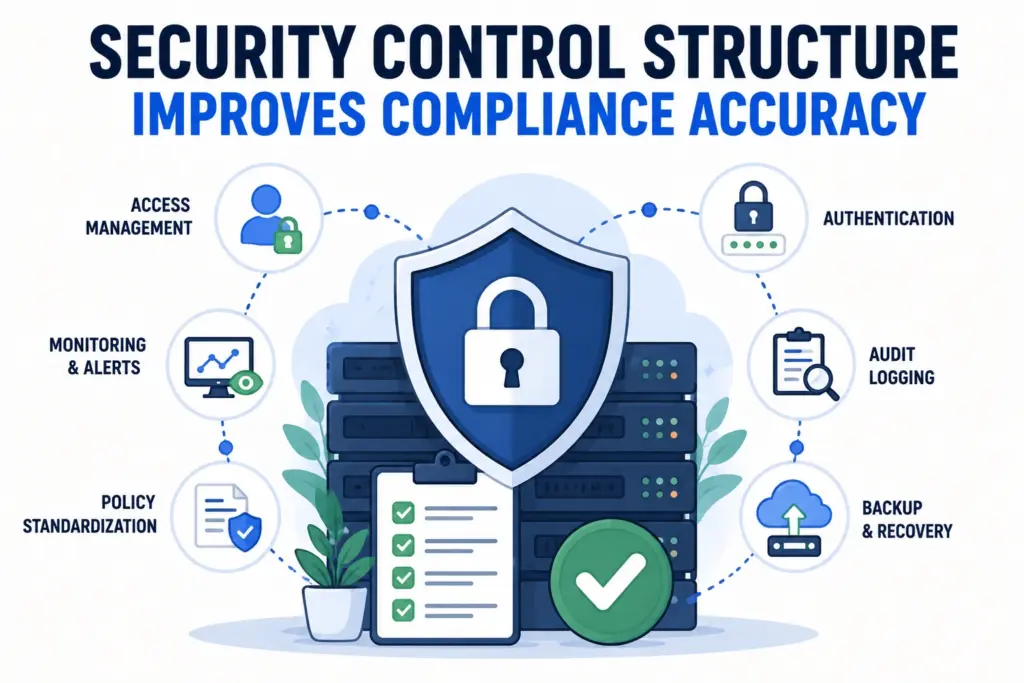
Compliance instability rarely begins with regulations alone. Most hosting compliance problems originate from fragmented security controls, inconsistent infrastructure policies, or disconnected operational workflows. When security systems lack structural coordination, compliance accuracy declines across monitoring, access management, and infrastructure governance. Structure determines compliance reliability. At Wisegigs.eu, hosting audits consistently show that compliance inconsistency is often caused […]
Security Control Structure Influences Compliance Accuracy
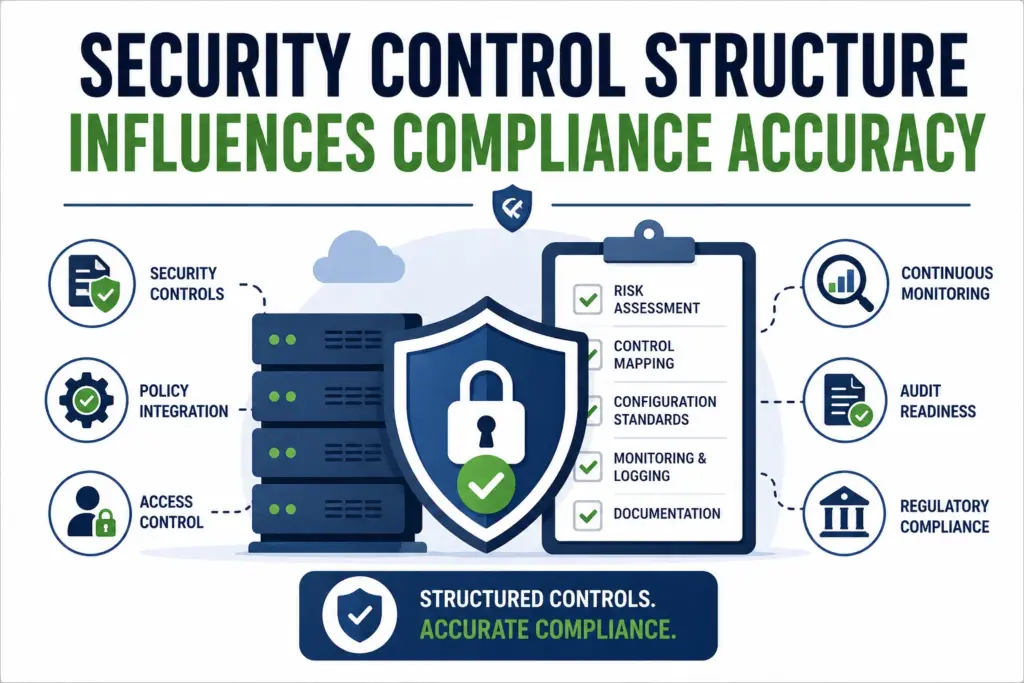
Compliance failures rarely originate from missing controls. Most issues occur because controls exist but are inconsistently structured, poorly enforced, or disconnected from system behavior. When control logic is fragmented, compliance becomes unreliable even if tools are present. Structure determines compliance outcomes. At Wisegigs.eu, infrastructure audits consistently show that compliance gaps are caused by inconsistent control […]
Infrastructure Security Structure Reduces Compliance Risk Exposure
Infrastructure trust depends on control consistency. Hosting environments process sensitive data, manage authentication logic, and support business-critical services. These responsibilities require predictable protection boundaries that align with regulatory expectations and operational reliability requirements. Security structure influences compliance exposure. When security controls remain standardized, verification becomes predictable. When protection logic becomes fragmented, risk exposure increases. At […]
Server Hardening Structure Reduces Attack Surface Exposure
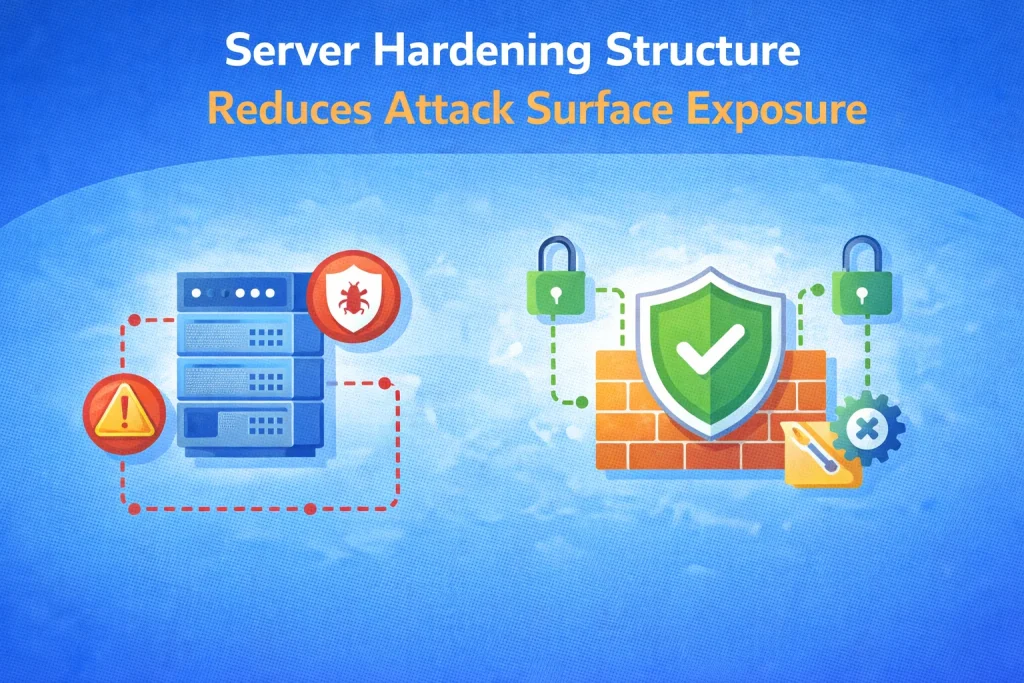
Infrastructure security stability depends on surface area control. Every exposed service introduces a potential interaction point. Each interaction point increases the number of possible exploitation paths available to external actors. Exposure surface influences breach probability. When unnecessary services remain accessible, attack vectors increase. When system interfaces remain restricted, threat opportunities decrease. At Wisegigs.eu, infrastructure audits […]
Passing Security Audits Does Not Ensure System Safety
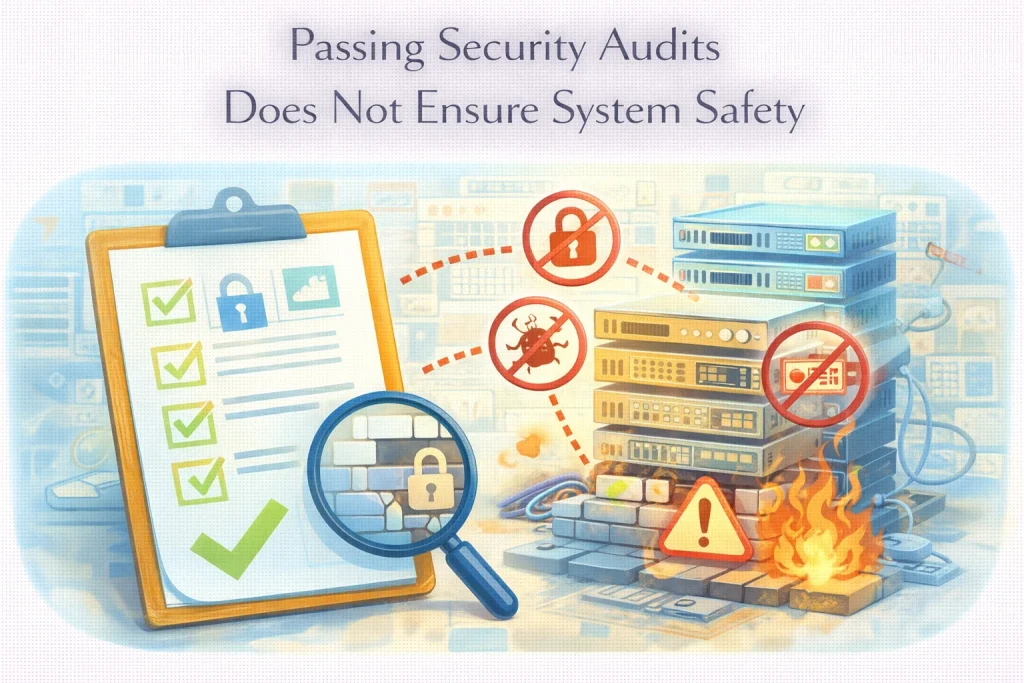
Security audits verify control implementation. Organizations often interpret audit completion as confirmation of infrastructure safety. Compliance frameworks define required policies, procedures, and technical safeguards designed to reduce risk exposure. However, passing an audit does not guarantee secure system behavior. At Wisegigs.eu, infrastructure reviews frequently reveal environments that satisfy compliance requirements but still exhibit configuration weaknesses, […]
Why Hosting Panels Require Post-Installation Hardening
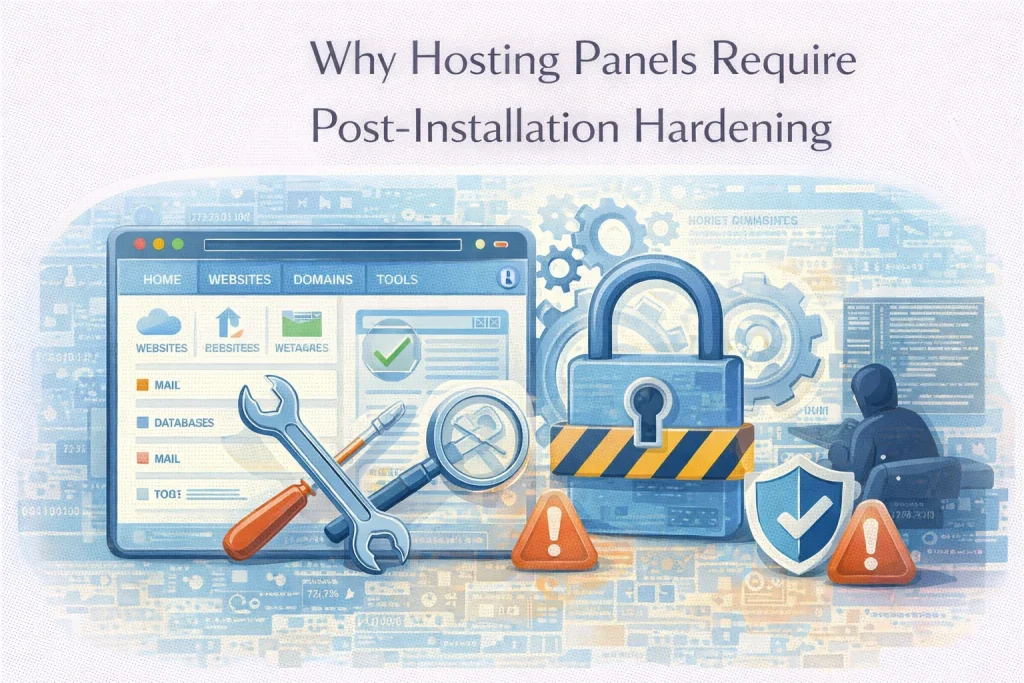
Hosting panels simplify infrastructure deployment. Control panels such as Virtualmin, cPanel, and Plesk allow administrators to configure servers quickly through graphical interfaces. Services such as web servers, databases, mail systems, and DNS are provisioned automatically. This convenience reduces setup time. However, default configurations prioritize usability rather than strict security. At Wisegigs.eu, server audits frequently identify […]
Why Server Security Failures Often Begin With Configuration Drift
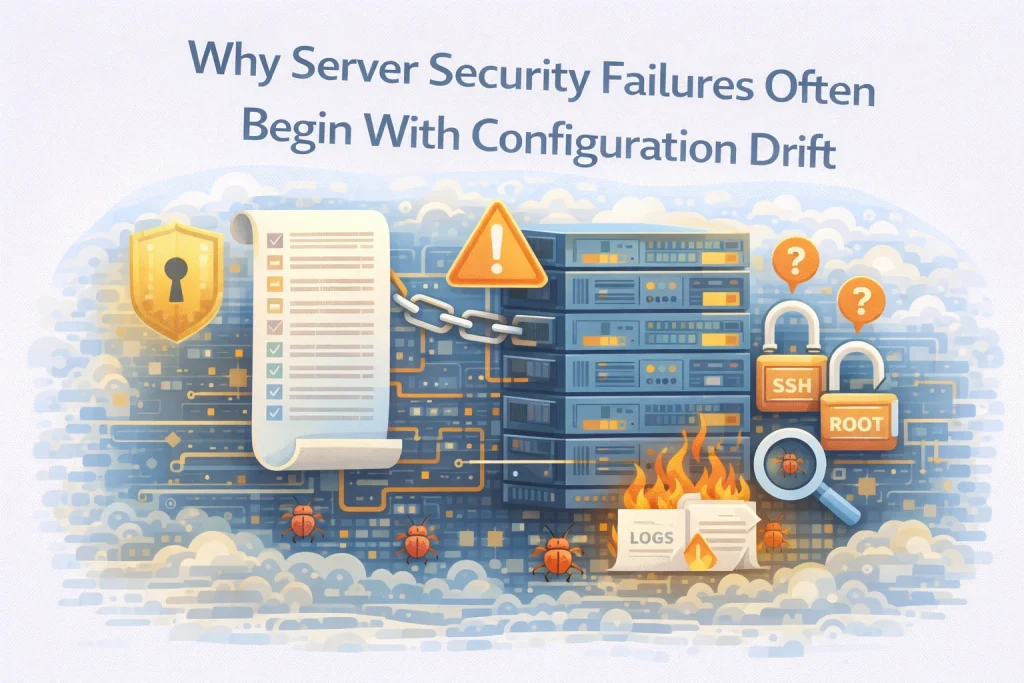
Server security failures rarely appear suddenly. Most infrastructure breaches occur after gradual configuration changes weaken the original security baseline. Small operational adjustments accumulate over time, eventually creating gaps that attackers can exploit. Because these changes happen incrementally, they often go unnoticed. At Wisegigs.eu, infrastructure audits frequently reveal servers that were initially configured securely but slowly […]
Why Hosting Security Failures Rarely Start With Hackers
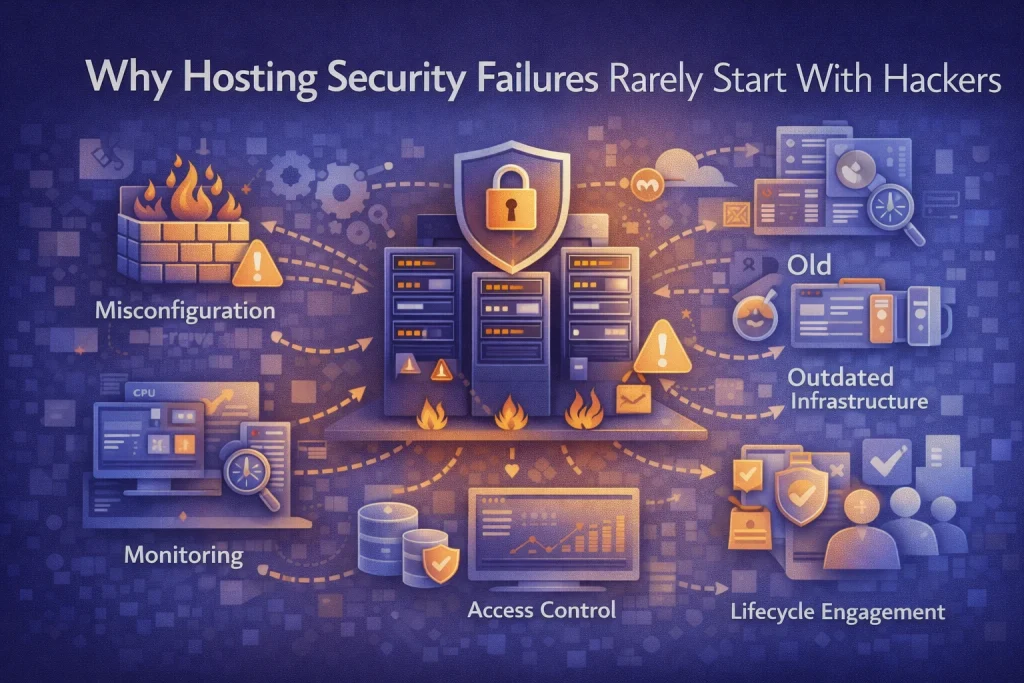
When businesses think about hosting security, they usually imagine external attackers. Malware injections.Brute-force login attempts.Distributed denial-of-service attacks. These threats are real. However, most hosting security failures do not begin with attackers. They begin with internal weaknesses that attackers later exploit. At Wisegigs, security incidents rarely originate from advanced hacking techniques. Instead, they typically result from […]
Why Most Hosting Environments Are Not Truly Secure
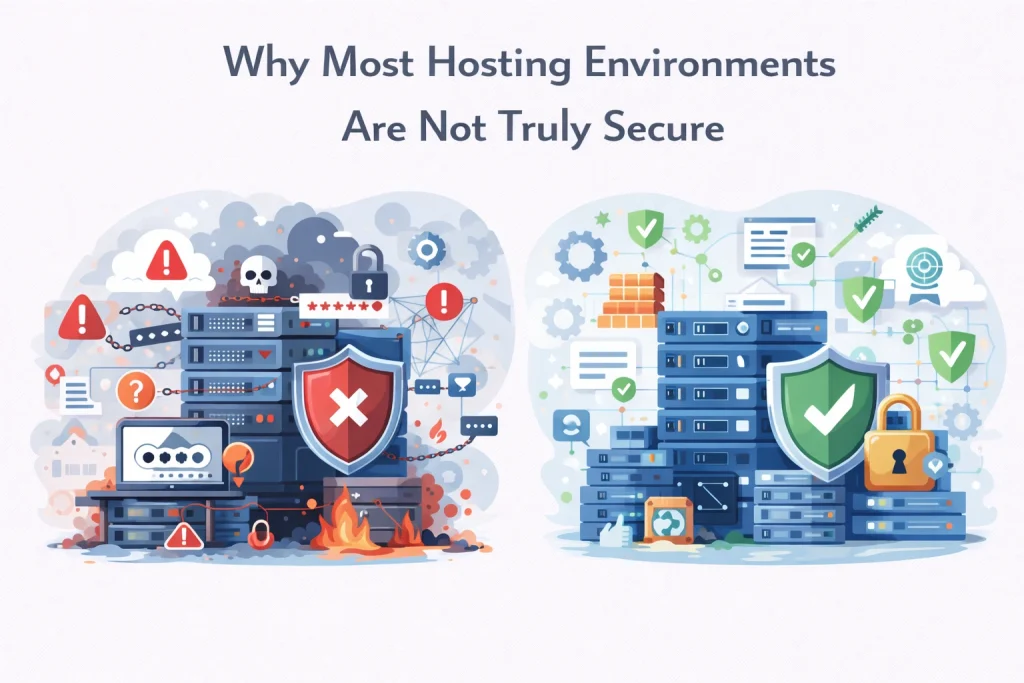
Hosting security compliance is one of the main reasons why most hosting environments are not truly secure. Many website owners assume that using a hosting provider automatically guarantees security. However, most hosting environments contain hidden risks caused by weak configuration, missing controls, and lack of compliance awareness. Because of this, security issues rarely appear suddenly. […]