
Custom Code Is Where WordPress Sites Quietly Break
Most WordPress failures are not dramatic. Sites load. Dashboards open. Pages render. Yet over time, things feel “off.” Updates become risky. Performance degrades. Bugs appear only in production. Teams hesitate to touch the codebase. At Wisegigs.eu, these situations almost always trace back to custom code. Not because custom code is bad, but because it is […]
Why WordPress Sites Fail After “Small” Code Changes
Most WordPress failures don’t come from major rewrites. They come from small, confident changes. A single line added to functions.php.A quick filter adjustment.A “temporary” snippet copied from Stack Overflow. Nothing dramatic happens at first. The site still loads. Editors continue working. Traffic looks normal. Then, days or weeks later, something breaks — often under load, […]
How to Create Custom WordPress Hooks for Cleaner Code
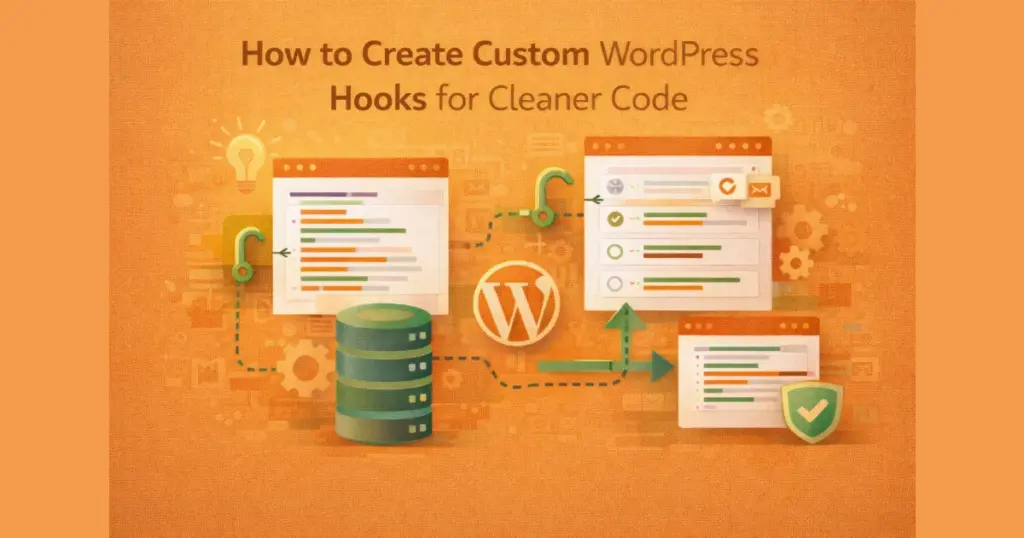
As WordPress projects grow, codebases often become tightly coupled, fragile, and difficult to extend. The most common cause is logic being hardwired directly into templates, plugins, or theme files with no clear extension points. Custom WordPress hooks solve this problem. They allow you to decouple logic, improve maintainability, and make your code extensible without rewriting […]
When to Use Custom Code Instead of Plugins in WordPress
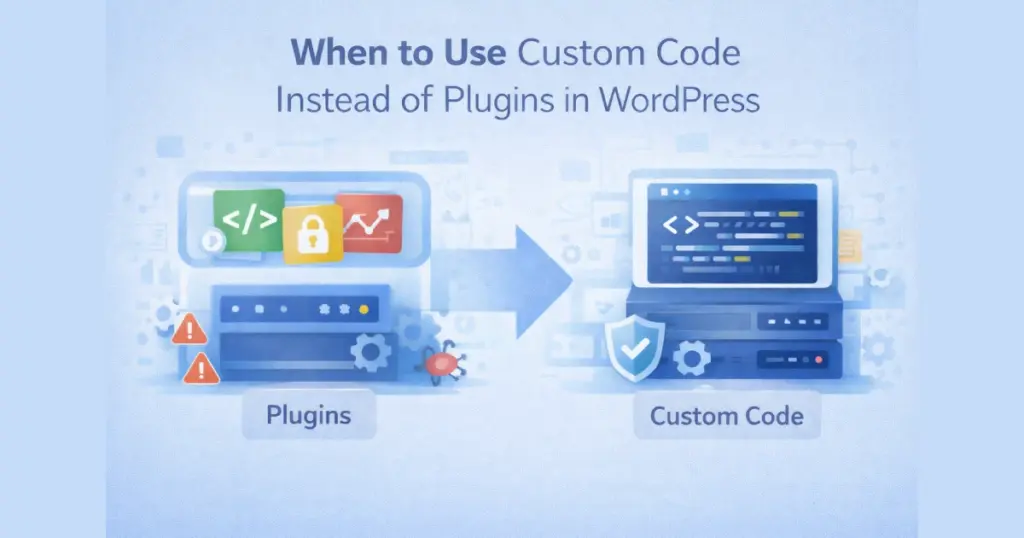
Plugins are one of WordPress’s greatest strengths — but they are also one of its biggest long-term risks. Many performance, security, and maintenance problems don’t come from WordPress itself, but from over-reliance on plugins for problems that should have been solved with custom code. The real question is not “Can a plugin do this?” — […]
How to Create High-Performance Custom Plugins Without Bloat
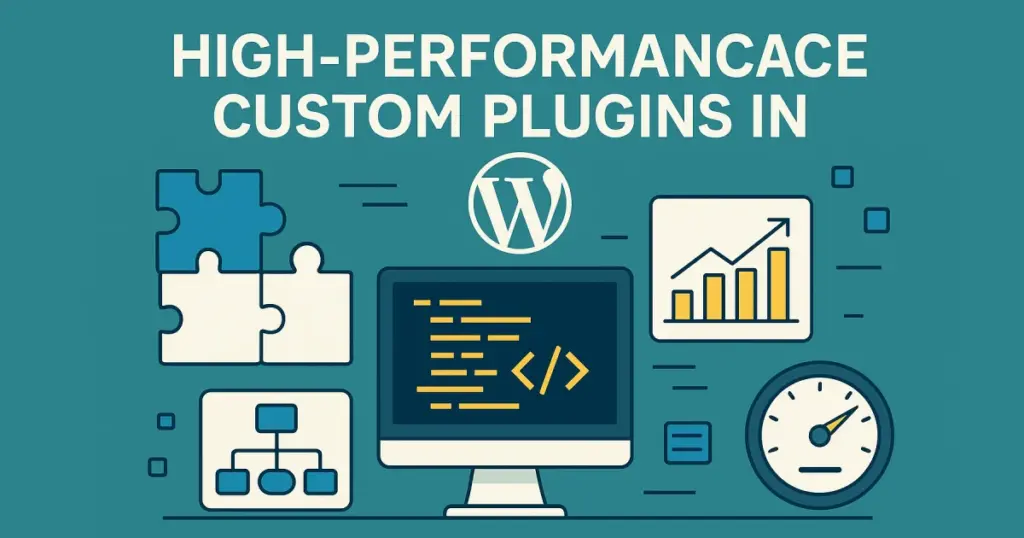
Illustration showing modular WordPress plugin components, performance metrics, clean code structures, and optimized architecture diagrams. Custom plugins are often the backbone of advanced WordPress projects. But poorly designed plugins can slow down page loads, overload the database, introduce security risks, or create long-term maintenance problems. A well-engineered custom plugin should be lightweight, modular, secure, and […]
Practical Guide to Custom WordPress Development: APIs, Integrations, and Advanced Features
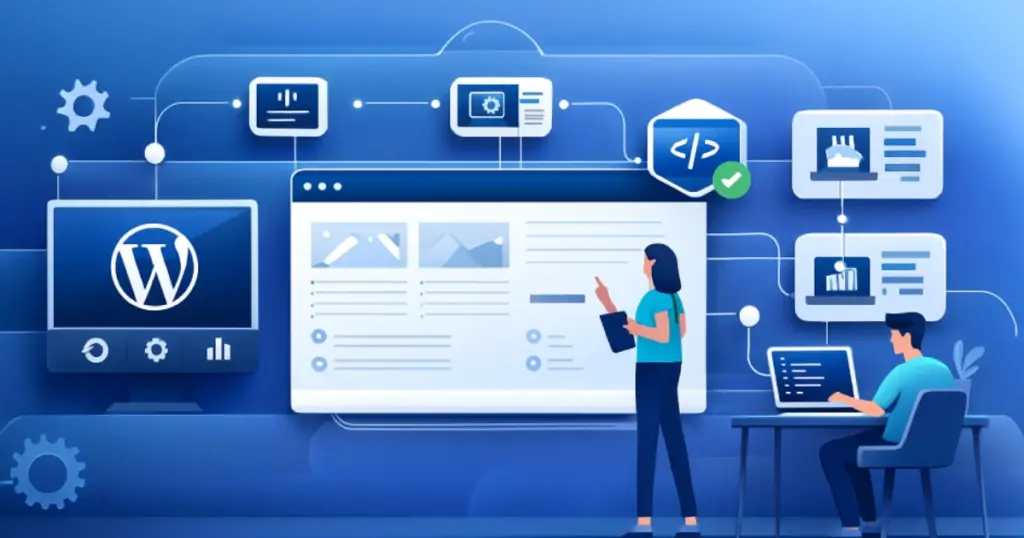
WordPress is known for its flexibility, especially when custom development is used to enhance functionality. Plugins solve most common problems, yet many projects eventually require more control, deeper integrations, and advanced features. Custom development allows you to build solutions that match your workflow instead of relying on off-the-shelf tools. At Wisegigs.eu, we build custom WordPress […]