
Data Exchange Structure Improves API Reliability
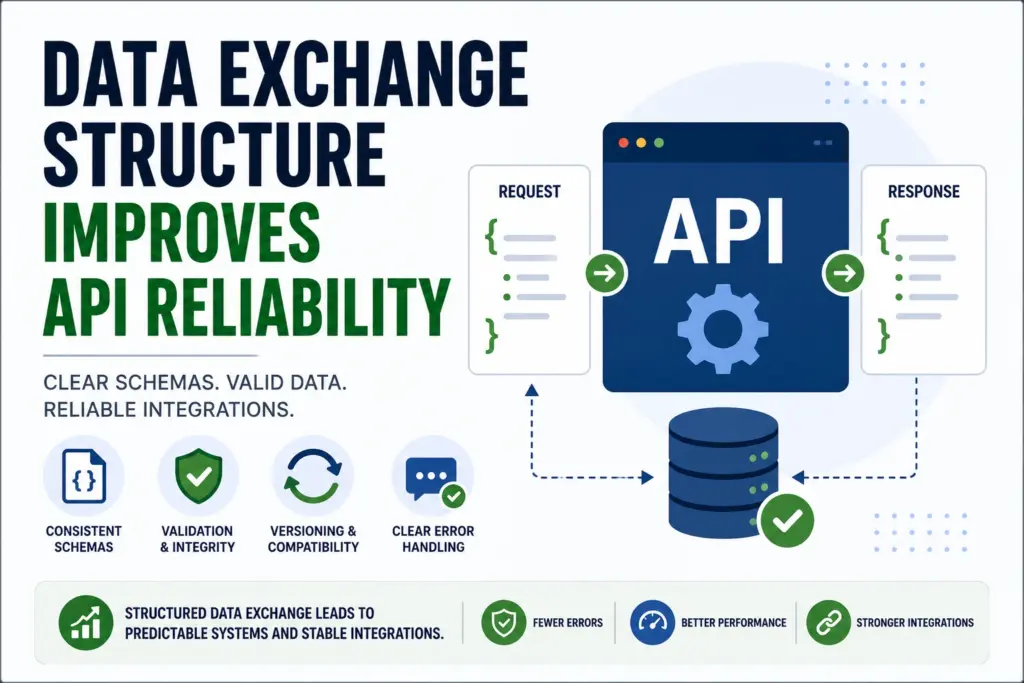
API failures rarely originate from infrastructure limits. Most reliability issues occur because data exchange is inconsistent, loosely defined, or poorly validated. When systems interpret data differently, integrations fail even if endpoints are technically correct. Structure determines integration stability. At Wisegigs.eu, API audits consistently show that failures are caused by inconsistent data exchange logic rather than […]
Poorly Defined Endpoints Create Integration Instability
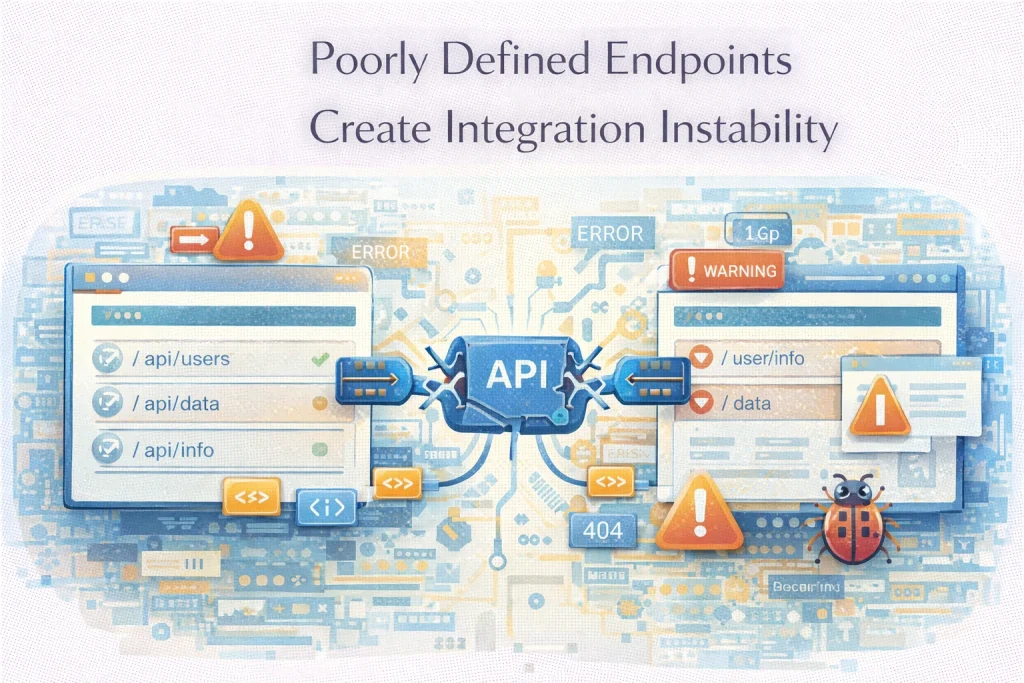
APIs connect systems. Applications rely on endpoints to exchange data, trigger actions, and synchronize state across services. When API behavior is predictable, integrations operate reliably and systems remain maintainable. However, loosely defined endpoints introduce instability. At Wisegigs.eu, integration audits frequently reveal APIs that function correctly in isolated environments but produce inconsistent results across real-world usage […]
Why Over-Caching Can Degrade System Reliability
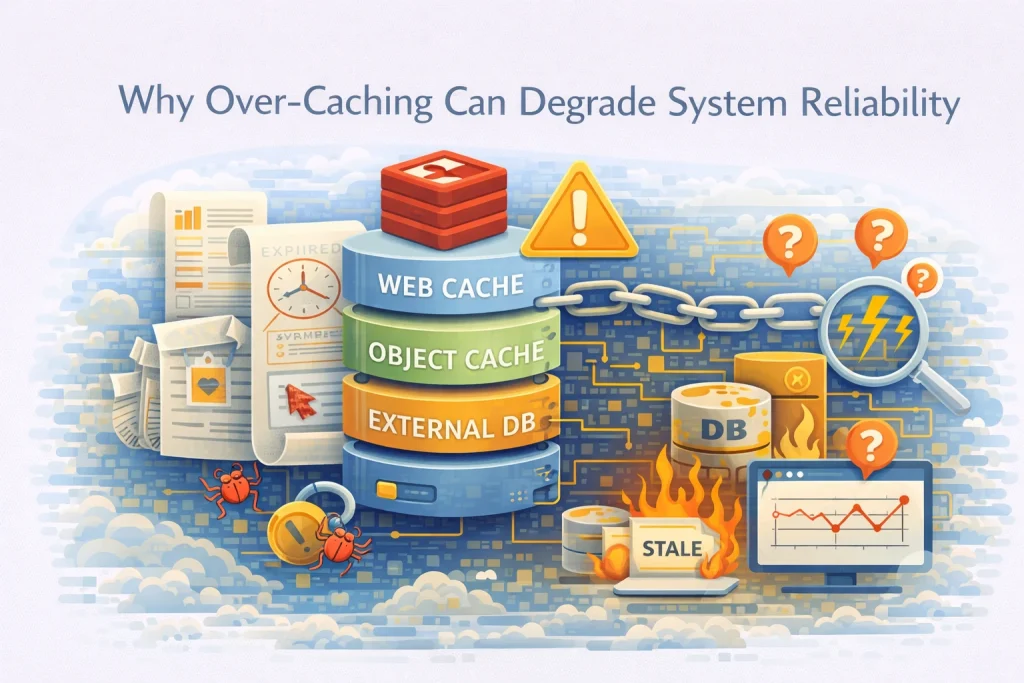
Caching improves performance. Applications reduce repeated computation by storing previously generated results. Databases handle fewer queries. Response times decrease. Consequently, caching is often implemented early in optimization efforts. However, caching also changes system behavior. At Wisegigs.eu, performance audits frequently reveal systems where aggressive caching improves speed temporarily but introduces reliability issues. Data becomes inconsistent. Updates […]
Custom Code Fails Without a Proper API Strategy
Custom code fails without a proper API strategy. Many teams invest time building features, integrations, and automation, only to face instability, bugs, and scaling problems later. In most cases, the issue is not the code itself — it is the way APIs were designed or implemented. APIs act as the foundation of modern applications. When […]