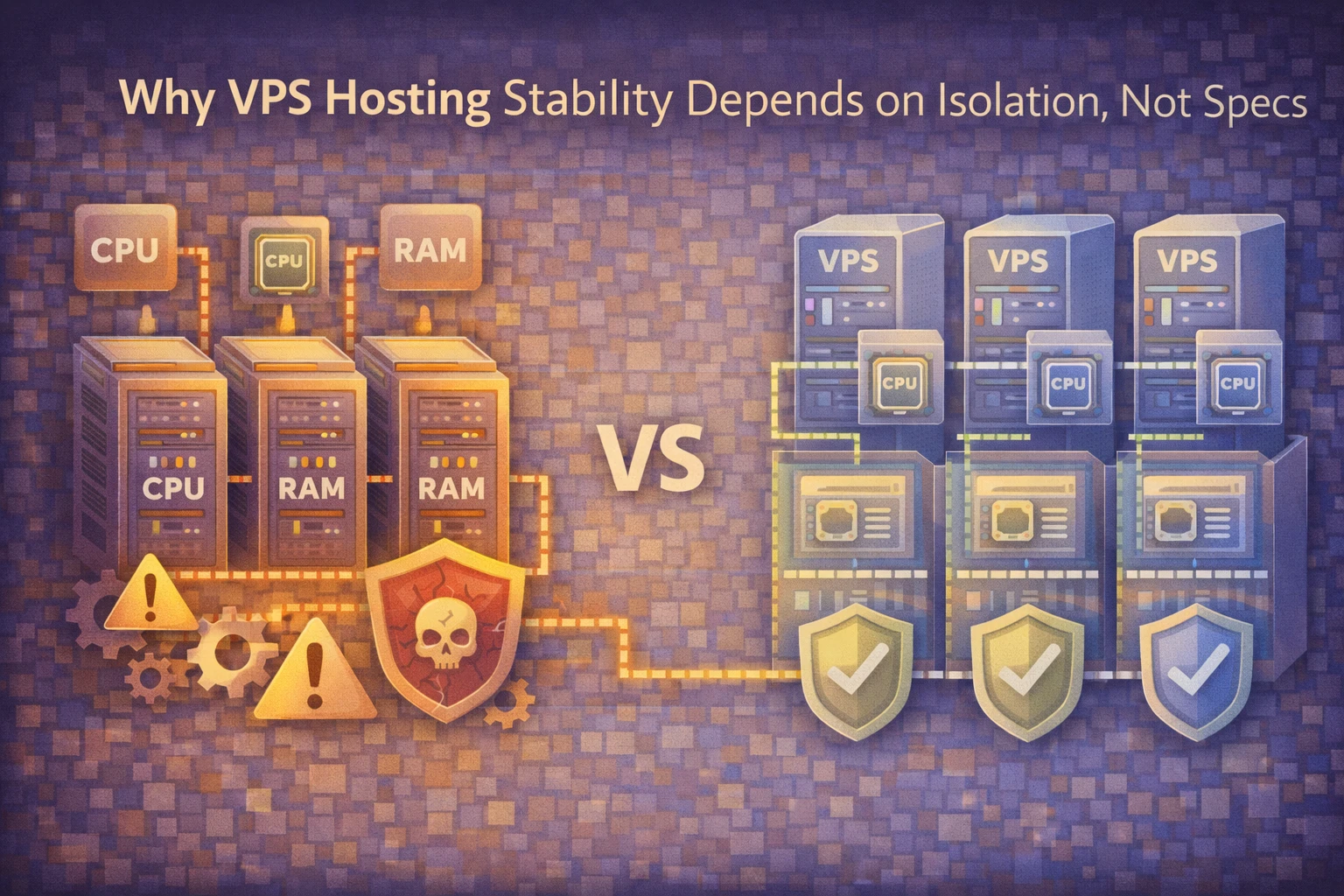
Why VPS Hosting Stability Depends on Isolation, Not Specs

VPS hosting is usually sold with numbers. CPU cores, RAM size, disk space, and bandwidth dominate comparison tables. Because of this, many teams assume that higher specifications automatically lead to better stability. In reality, VPS stability depends far less on raw specifications and far more on resource isolation. At Wisegigs.eu, many VPS incidents we investigate […]
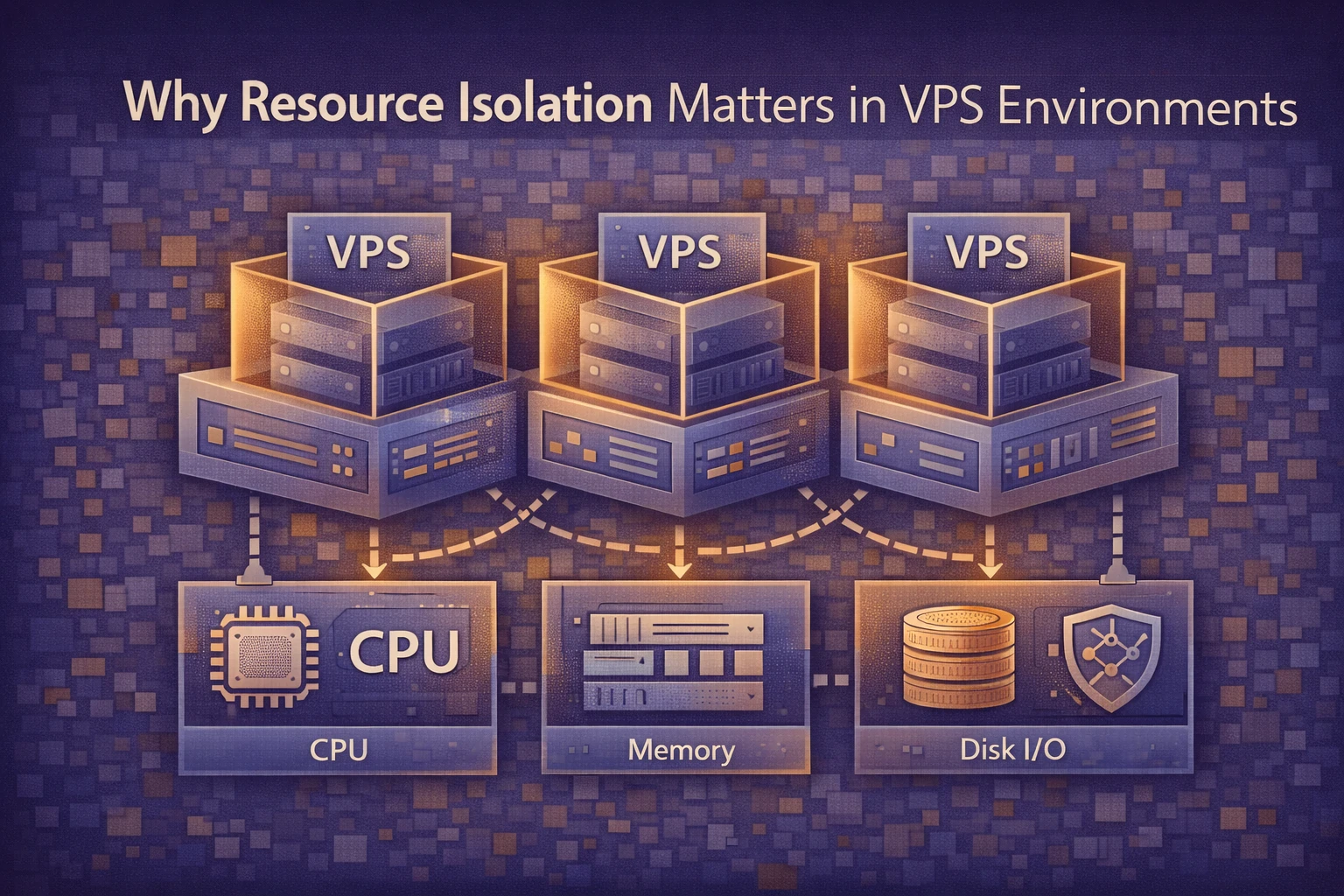
Why Resource Isolation Matters in VPS Environments

VPS hosting is often promoted as a straightforward upgrade from shared hosting. At first glance, the benefits appear obvious. You get more CPU, more memory, and greater control over your server environment. Because of this, many teams assume that performance problems disappear automatically after moving to a VPS. In reality, performance and stability depend far […]
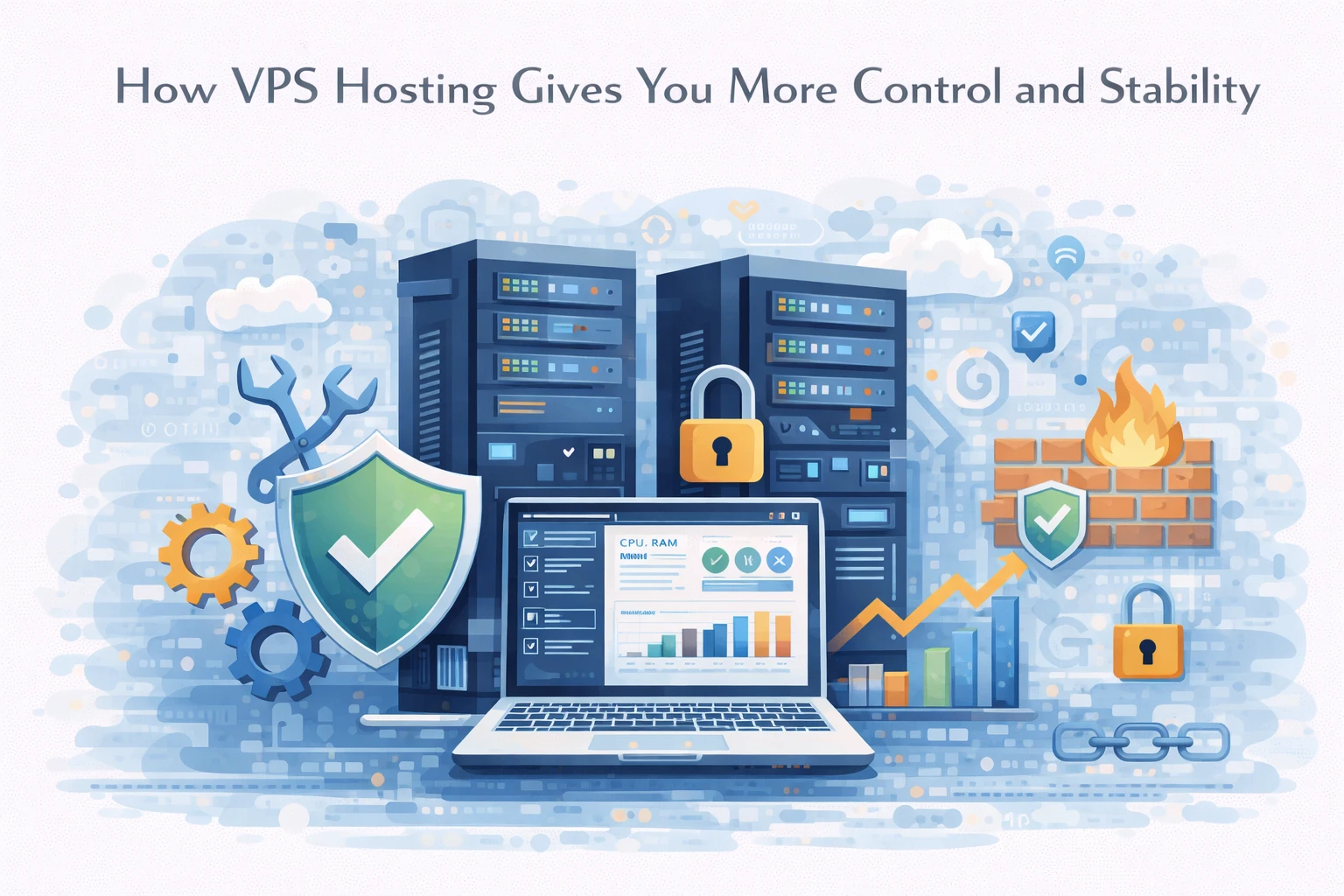
How VPS Hosting Gives You More Control and Stability

VPS hosting gives you more control and stability than shared hosting because server resources and configurations are no longer shared. As websites grow, shared hosting quickly becomes a limitation. Performance drops, security becomes harder to manage, and scaling becomes unpredictable. Many website owners experience slowdowns without understanding the cause. In most cases, the problem is […]
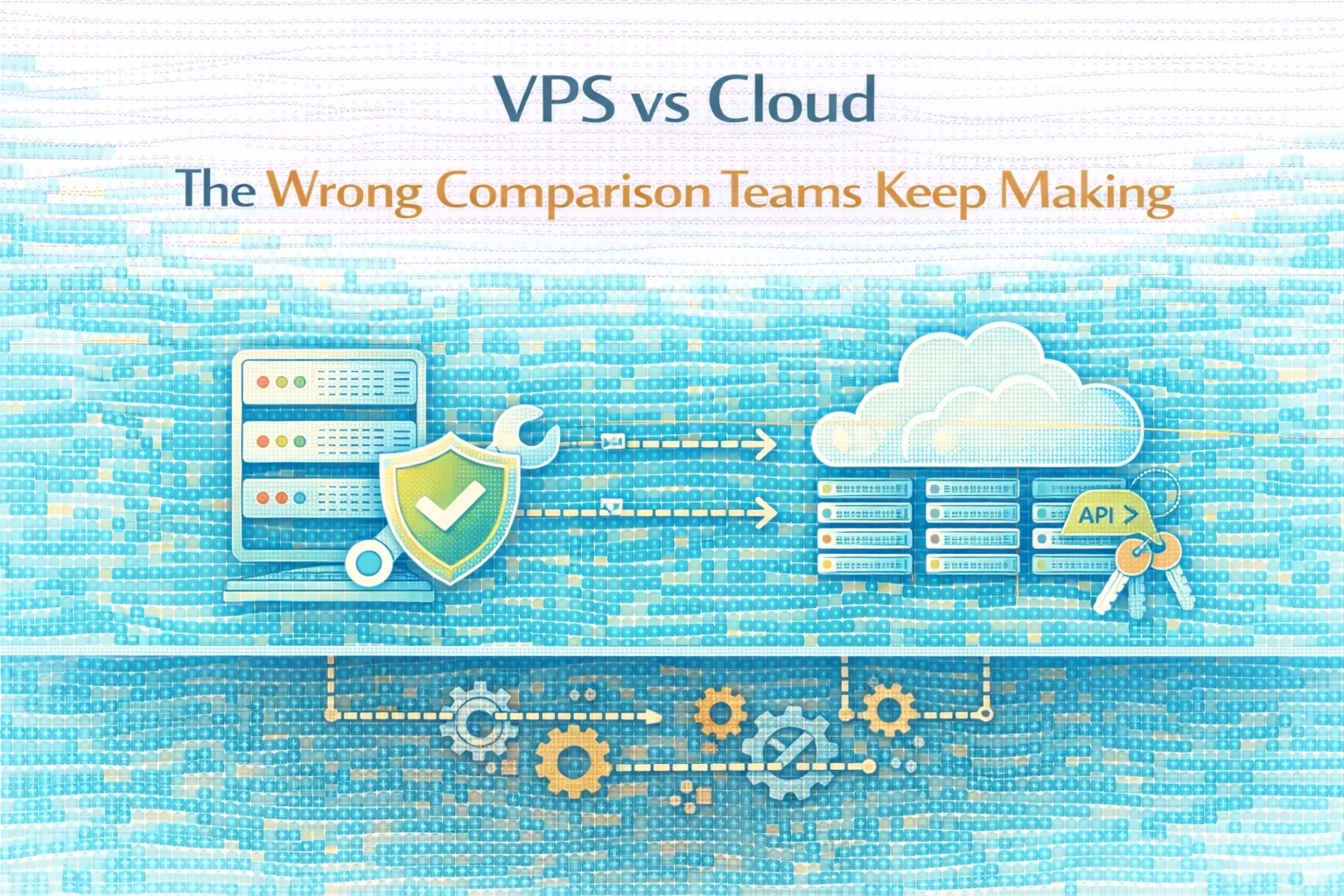
VPS vs Cloud: The Wrong Comparison Teams Keep Making

The VPS vs cloud debate usually starts with the wrong question. Instead of examining how systems are designed and operated, teams compare pricing models, scalability claims, and provider features. As a result, one option is labeled “modern” while the other is dismissed as “old school.” Because of this framing, teams often make decisions quickly and […]
How Poor Configuration Breaks VPS and Cloud Hosting

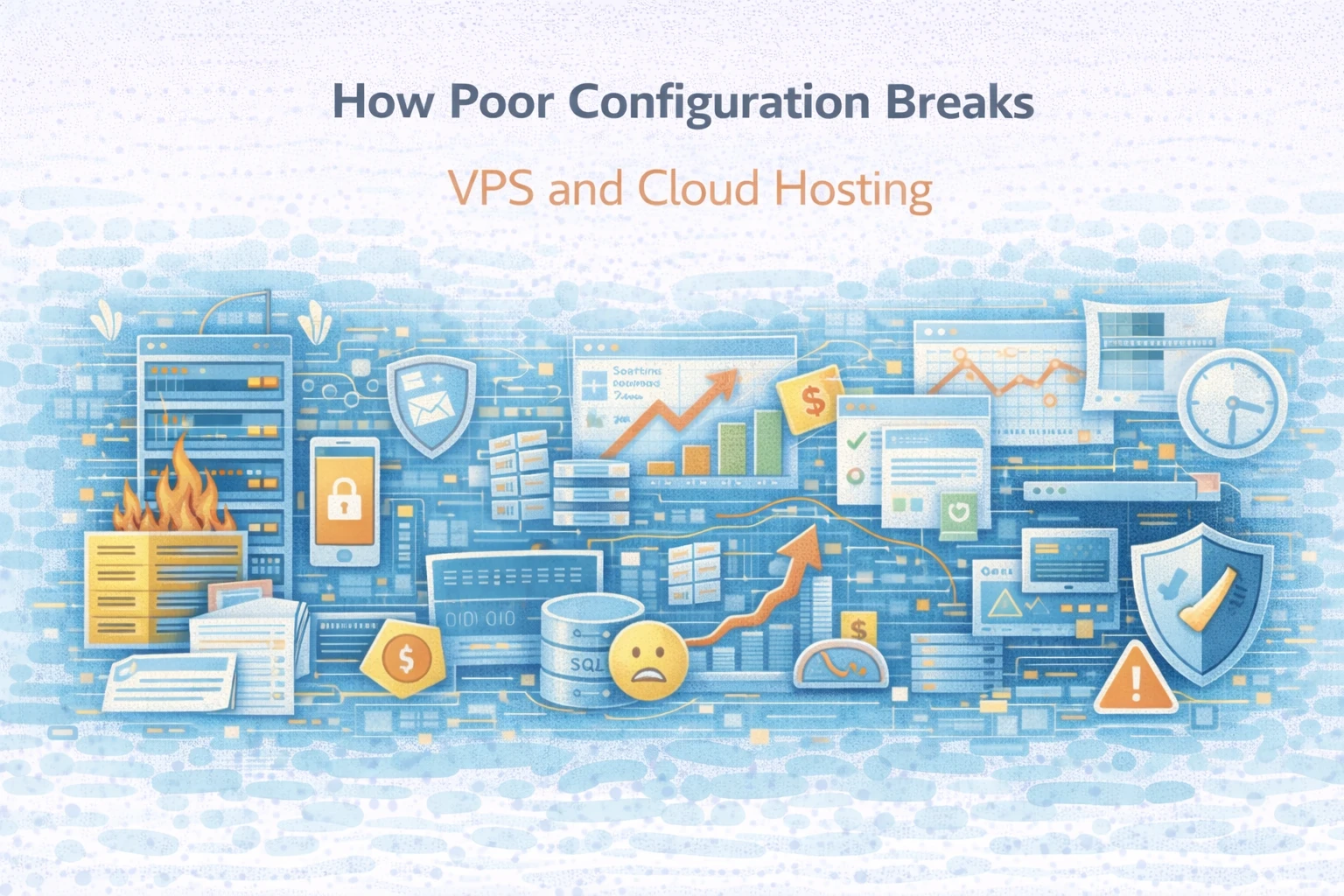
VPS and cloud hosting are often marketed as inherently reliable. More resources. Better infrastructure. Built-in redundancy. However, many VPS and cloud setups still perform worse than expected. They experience frequent incidents or fail under moderate load, and teams usually blame the platform. At Wisegigs.eu, most VPS and cloud failures we investigate are not caused by […]
VPS Hosting Is Not “Old School” — It’s Just Misunderstood

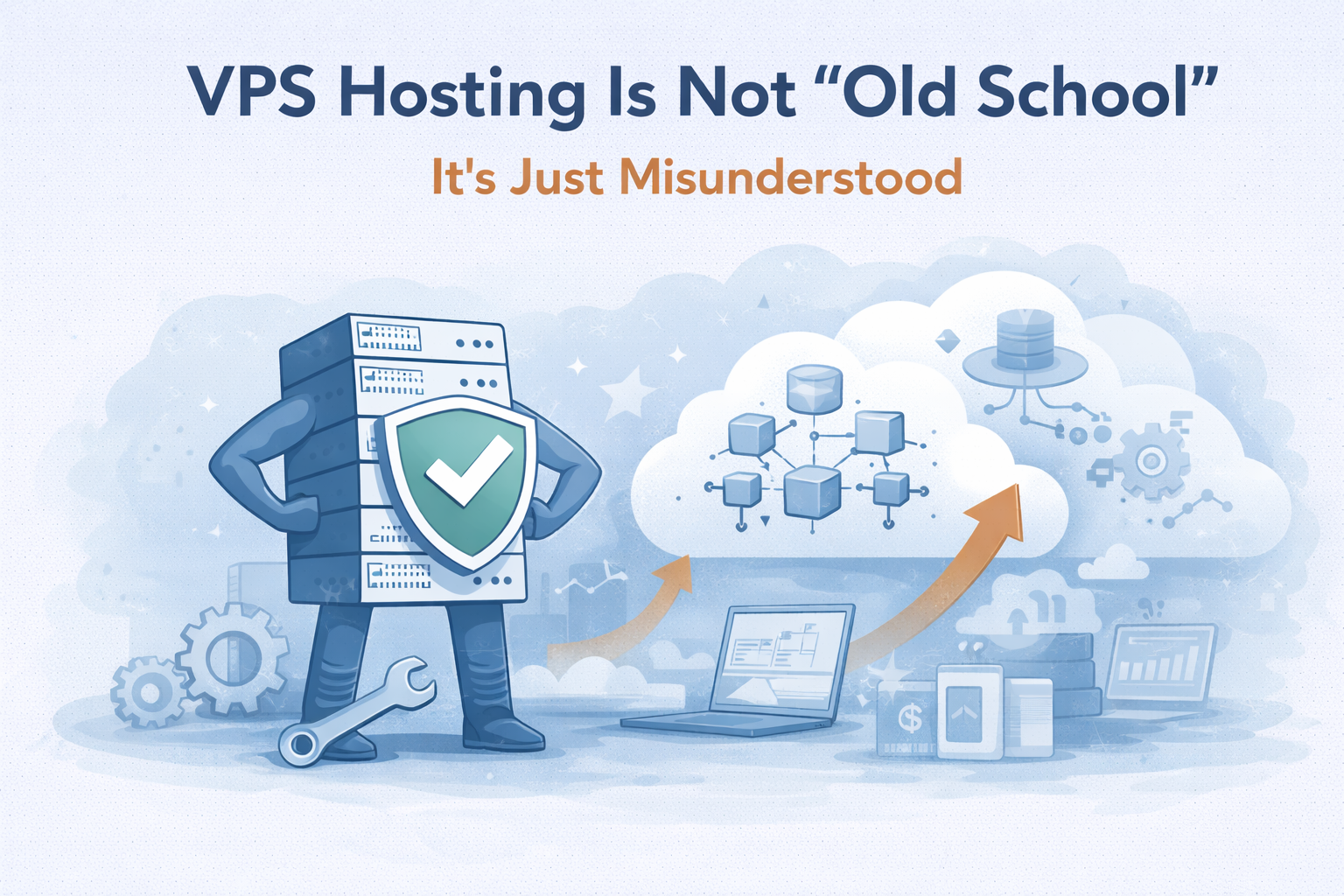
VPS hosting is often described as outdated. However, that perception does not come from technical limitations. Instead, it comes from comparing VPS hosting to cloud platforms using the wrong criteria. In many discussions, VPS hosting sits awkwardly between “cheap shared hosting” and “modern cloud infrastructure.” As a result, teams treat it as a temporary step […]
When to Move WordPress From Shared Hosting to VPS

Shared hosting is often where WordPress sites begin — it’s affordable, simple, and good enough at low traffic levels. But as a site grows, shared hosting becomes a hidden bottleneck. Performance slows, reliability drops, and troubleshooting turns into guesswork because resources are shared with dozens or hundreds of other sites. The real challenge is knowing […]
How to Choose the Right VPS Architecture for WordPress Performance

Illustration showing VPS server nodes, cloud icons, CPU/RAM metrics, and WordPress architecture elements arranged in a clean technical layout. Choosing the right VPS architecture is one of the biggest factors influencing WordPress performance. CPU type, RAM allocation, storage layers, networking, caching, and server stack design all impact how fast your site runs—especially under real-world traffic. […]
WordPress on High-Availability Cloud Architecture: Practical Best Practices

Keeping a WordPress website online during traffic spikes, seasonal sales, major launches, or campaign rush hours requires more than fast hosting. High-availability (HA) cloud architecture ensures your site continues running even if individual servers fail. It distributes workload, builds redundancy, protects uptime, and maintains stable performance under pressure. At Wisegigs.eu, we implement HA cloud setups […]
The Beginner’s Guide to Cloud Hosting for WordPress Sites

Choosing the right hosting environment is one of the most important decisions you can make for your WordPress website. While traditional shared hosting may work for small blogs, modern WordPress sites require more speed, scalability, and reliability than ever before. That’s where cloud hosting comes in. Cloud hosting provides flexible, high-performance infrastructure that adapts to […]