Most WordPress Security Problems Are Operational

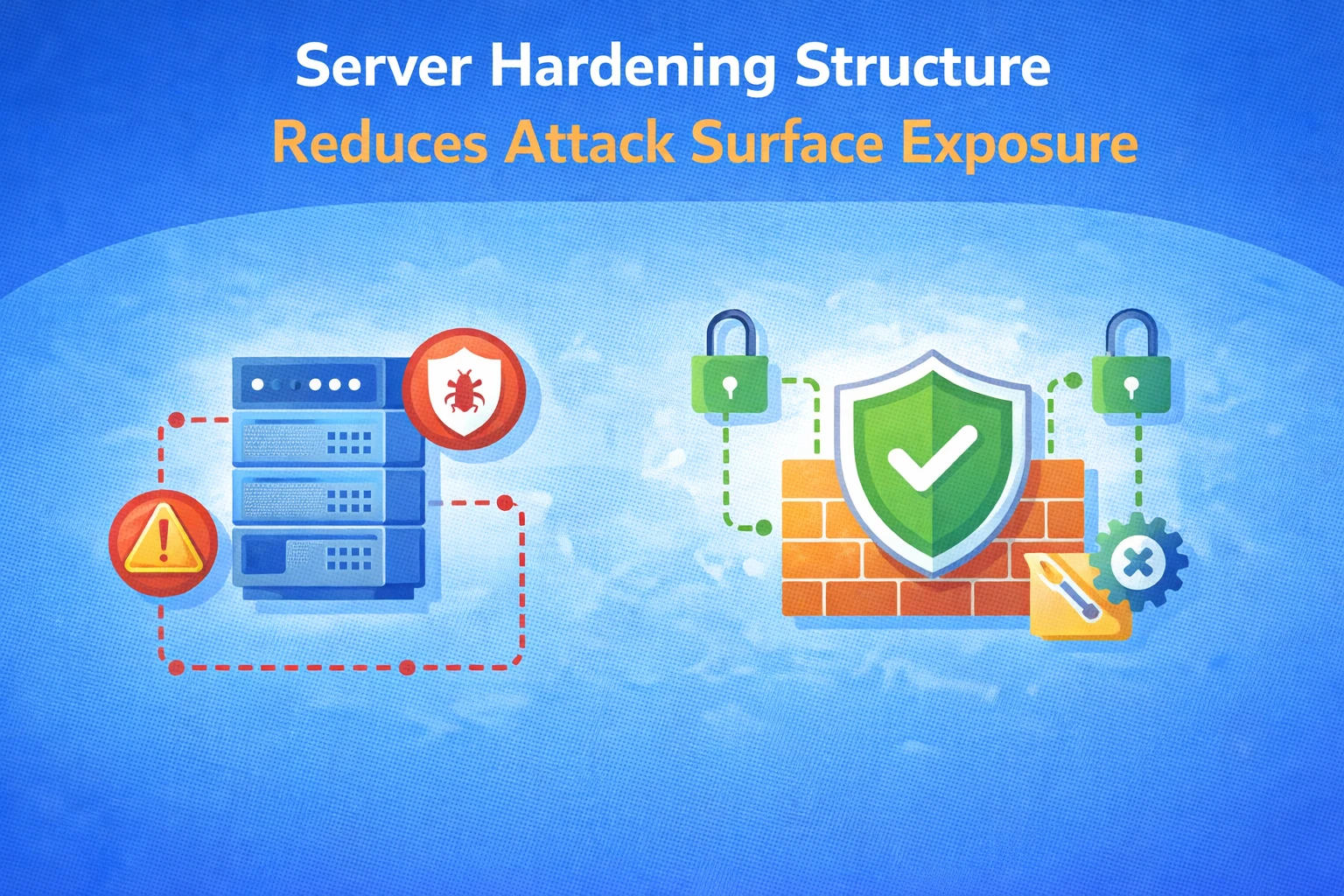
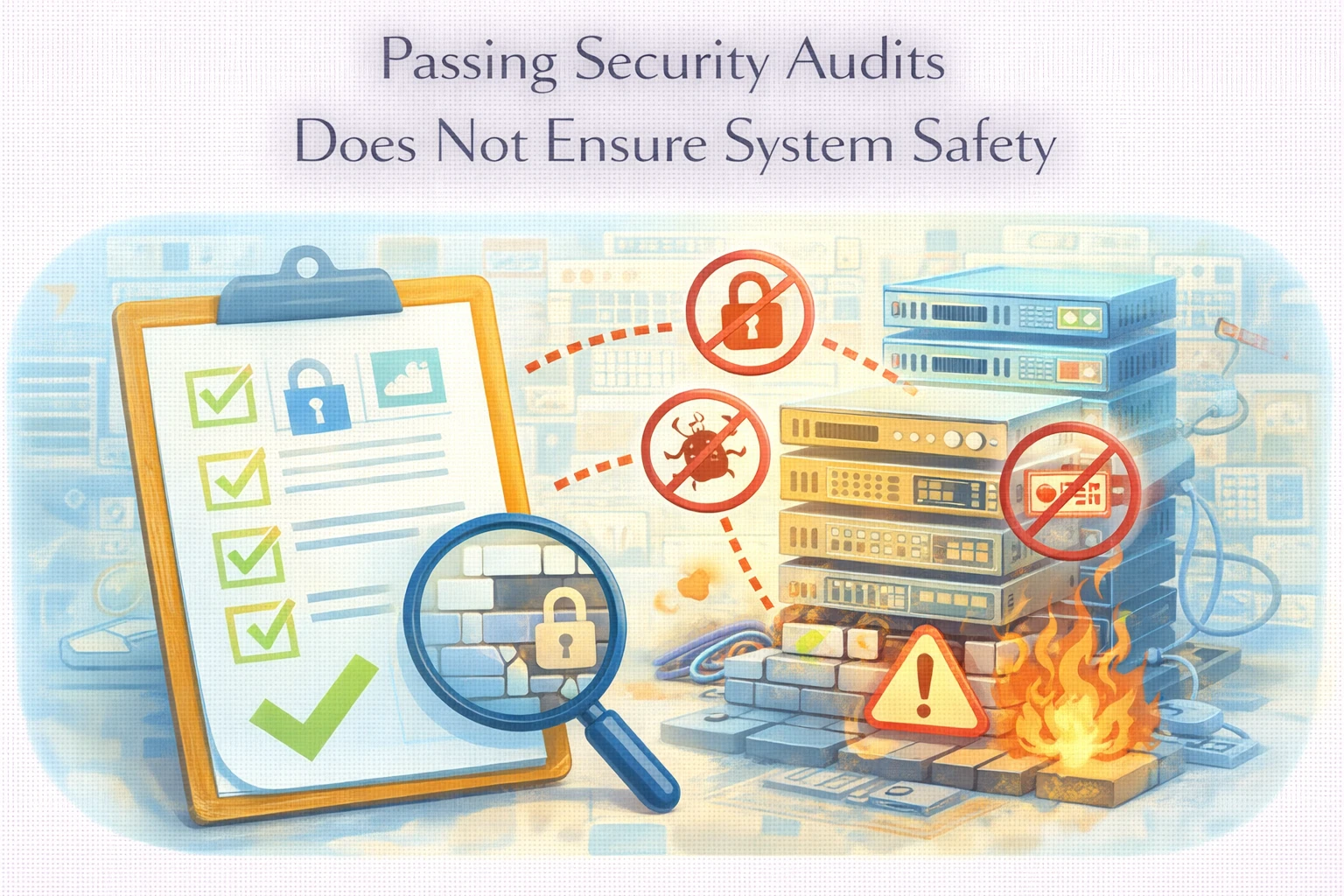
When WordPress sites get compromised, the explanation often sounds familiar.A zero-day vulnerability. A sophisticated attacker. An unavoidable breach. However, in real-world incidents, most WordPress security problems do not start with hackers. Instead, they begin with operational gaps that quietly accumulate over time. At Wisegigs.eu, security incidents almost always trace back to decisions made long before […]
How WordPress Performance Breaks as Traffic Grows

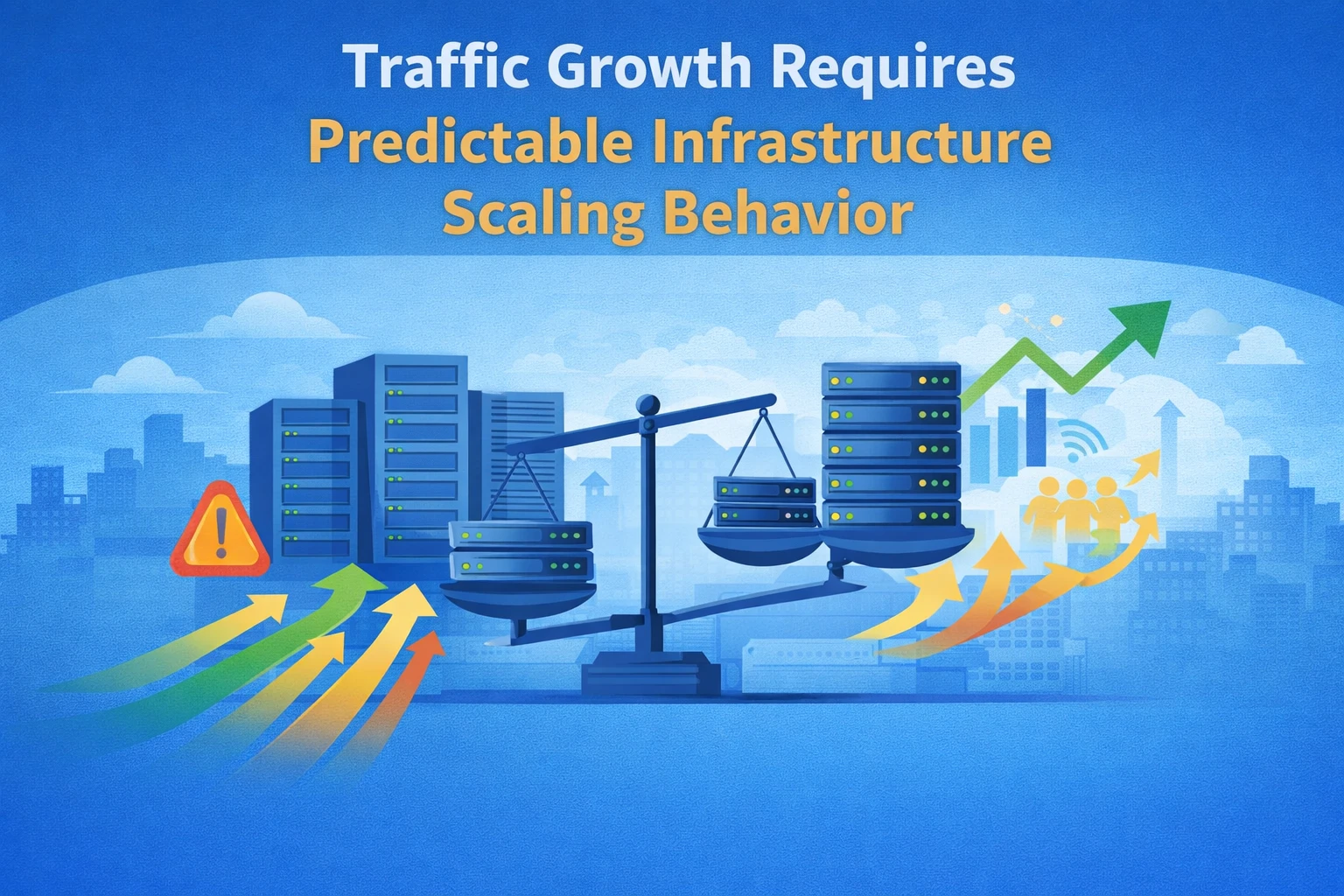
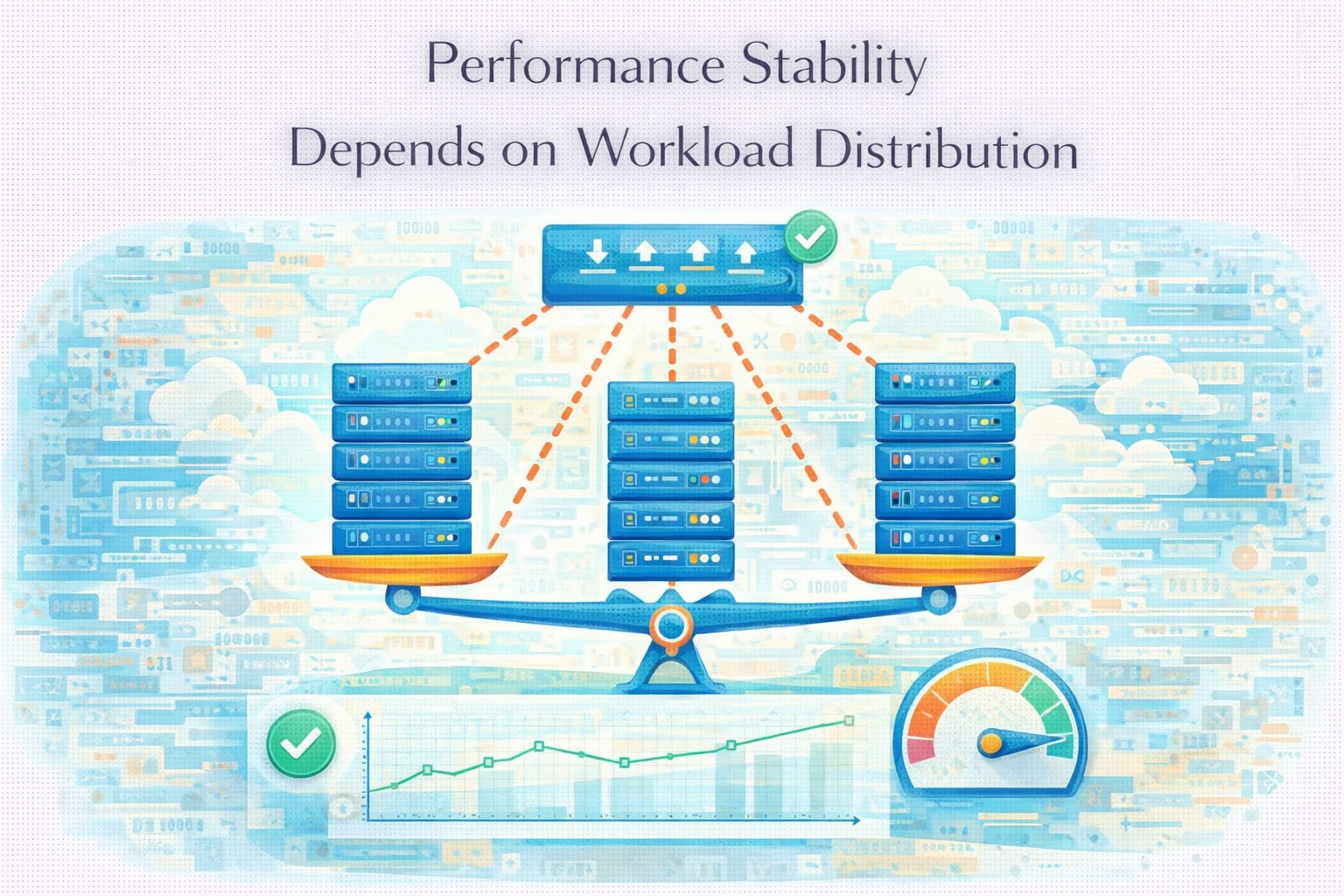
WordPress performance almost never collapses suddenly. Instead, it degrades quietly as traffic increases. Pages that once loaded instantly begin to feel sluggish. Admin actions slow down. Background tasks fall behind. Teams react by upgrading servers or adding caching, yet performance continues to deteriorate. At Wisegigs.eu, we consistently see the same pattern: traffic growth does not […]
Common Server Panel Misconfigurations That Break WordPress

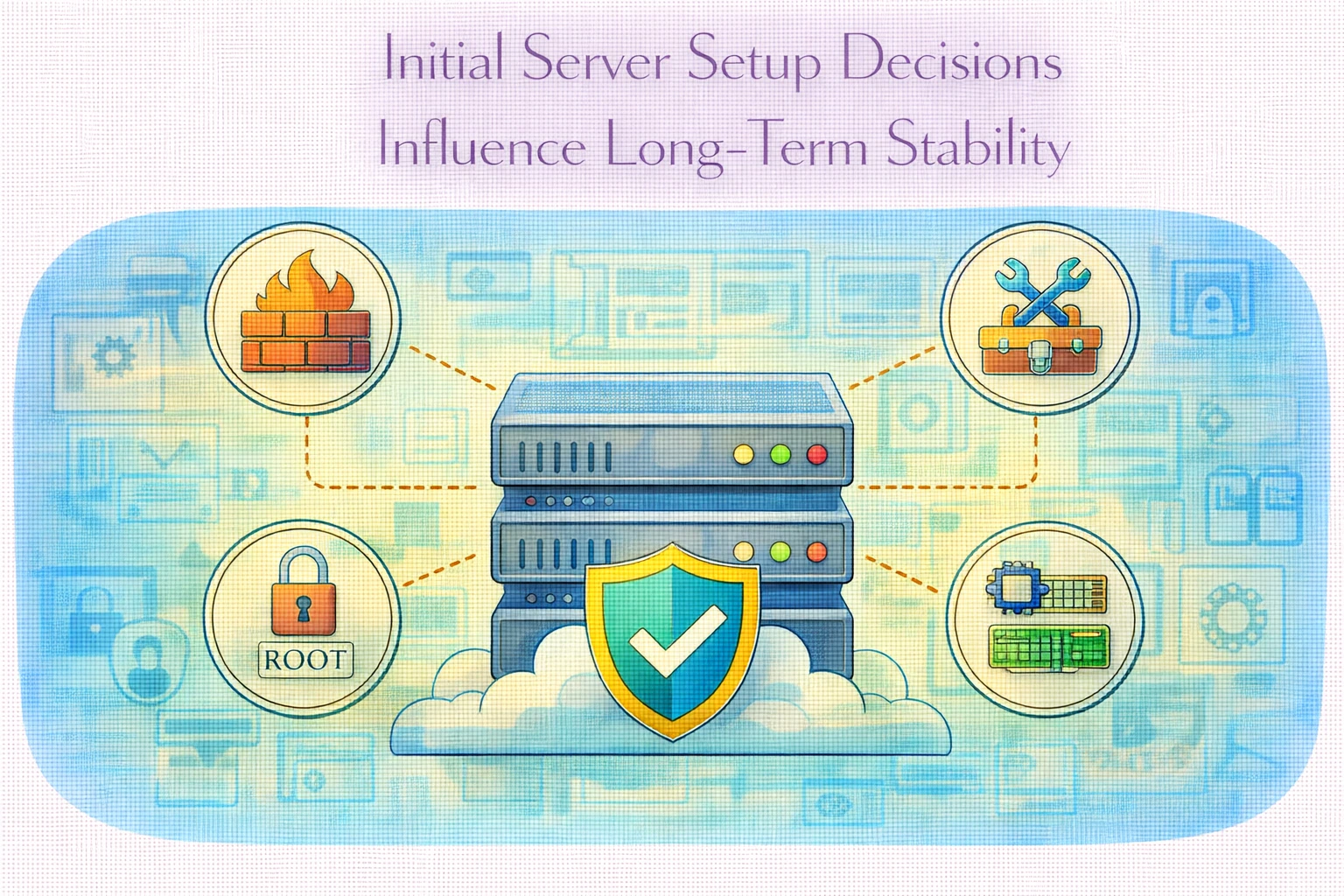
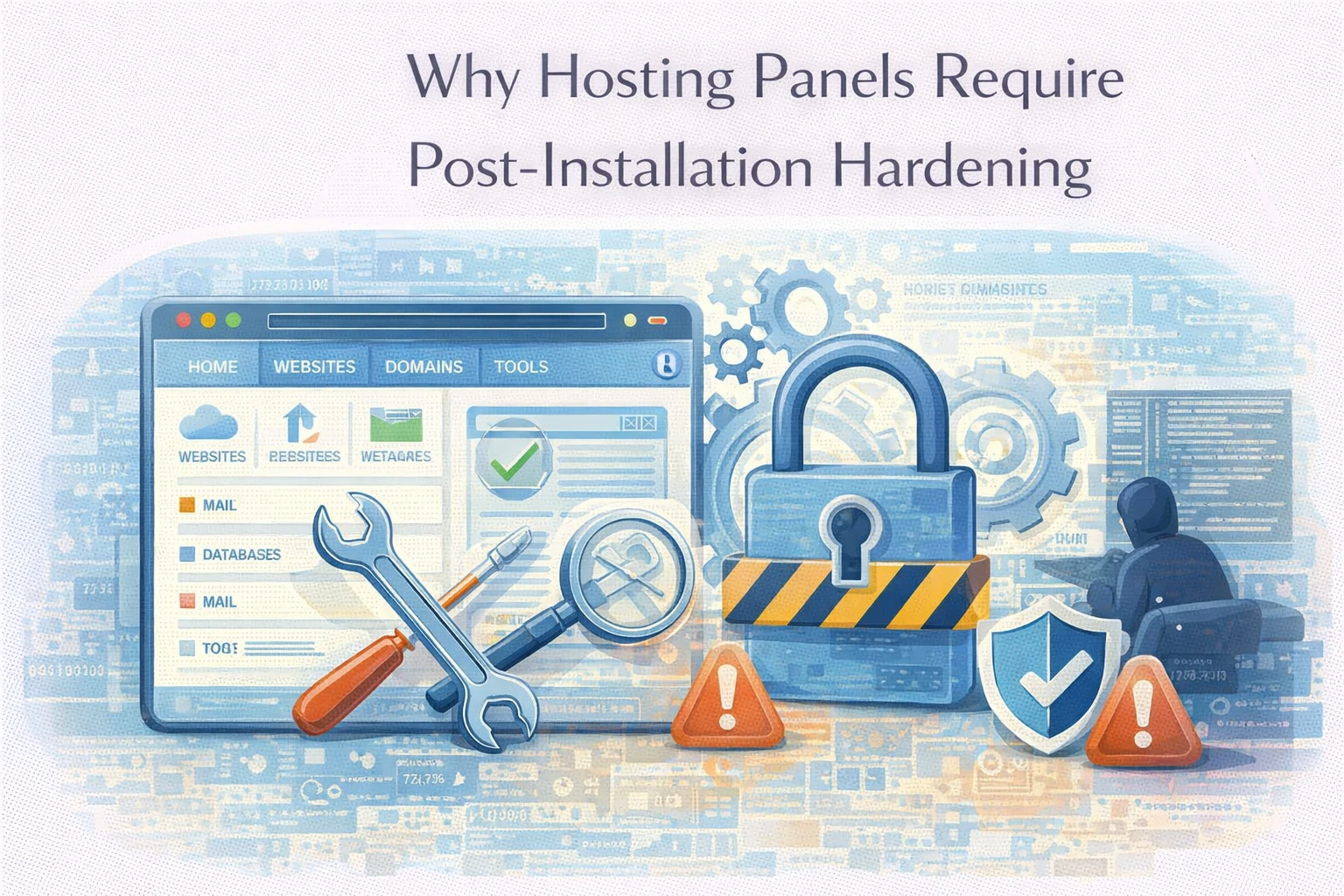
Most WordPress performance and reliability issues do not start in WordPress. They start one layer below — in the server panel. Control panels promise convenience: quick installs, visual toggles, and simplified management. However, that convenience often comes at the cost of opaque defaults, unsafe assumptions, and misconfigurations that quietly undermine WordPress stability. At Wisegigs.eu, a […]
VPS Hosting Is Not “Old School” — It’s Just Misunderstood

VPS hosting is often described as outdated. However, that perception does not come from technical limitations. Instead, it comes from comparing VPS hosting to cloud platforms using the wrong criteria. In many discussions, VPS hosting sits awkwardly between “cheap shared hosting” and “modern cloud infrastructure.” As a result, teams treat it as a temporary step […]
Silent Failures in WordPress Hosting: What Monitoring Misses

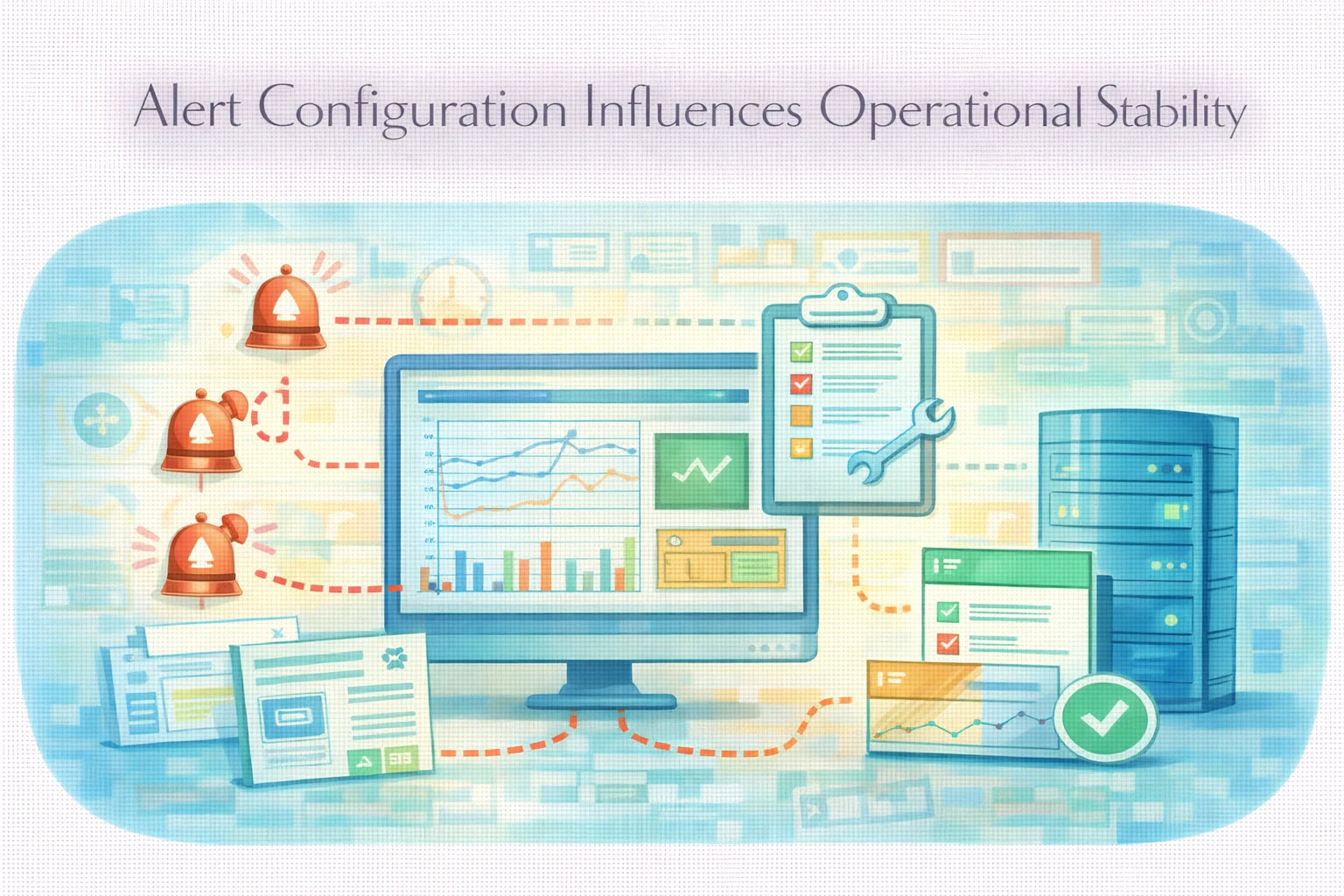
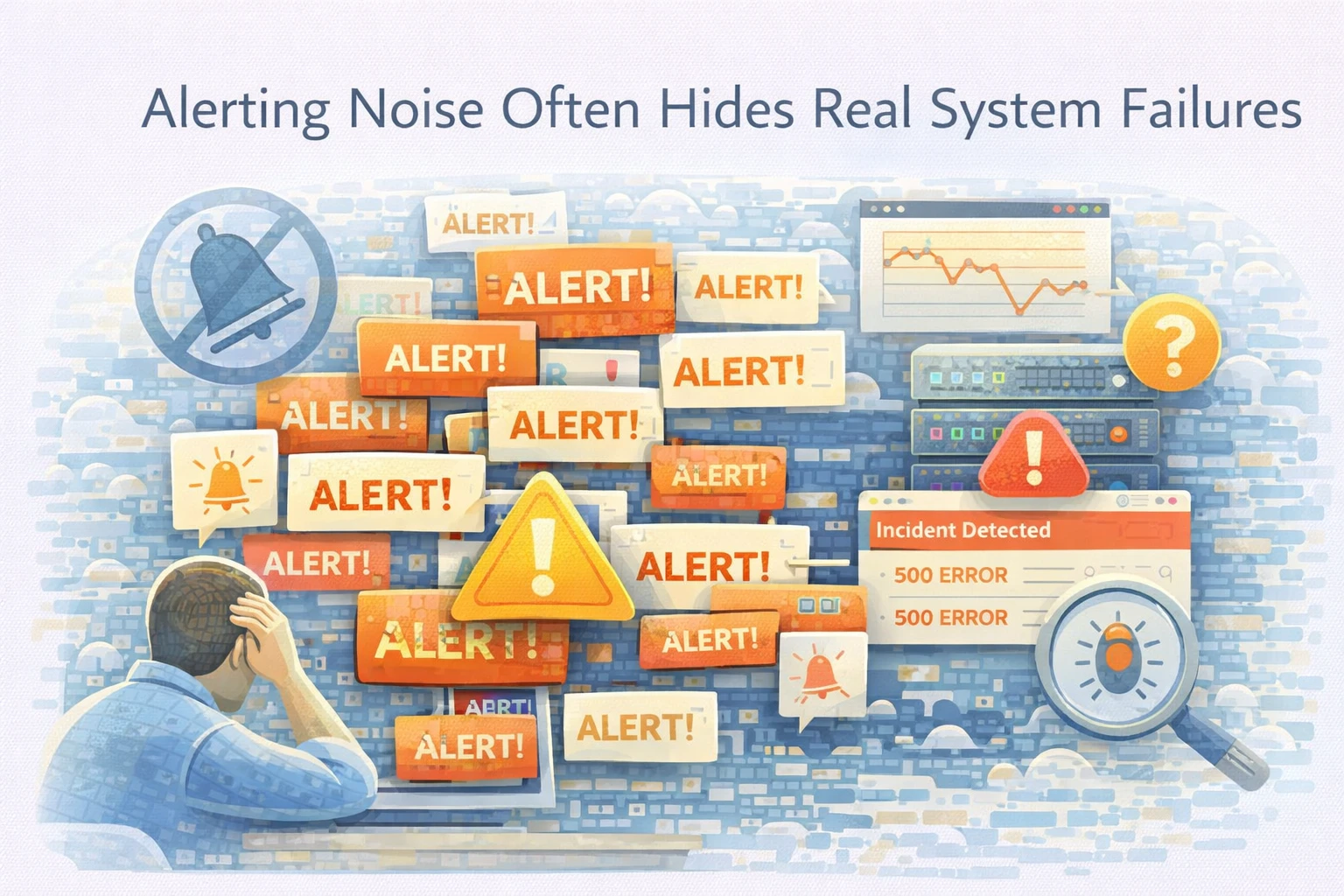
Most WordPress outages don’t start with a crash. They start quietly — with performance degradation, partial failures, and user-visible issues that never trigger alerts. Pages still load. Uptime checks stay green. But conversions drop, error rates climb, and user trust erodes. At Wisegigs.eu, we see silent failures as the most expensive class of hosting problems, […]
From Firewall to WAF: Protecting WordPress at the Edge

Most WordPress security discussions focus on plugins, passwords, and admin hardening. While those matter, the most effective security improvements often happen before traffic ever reaches WordPress. That’s where edge protection comes in. Firewalls, rate limiting, and Web Application Firewalls (WAFs) form the first and most scalable line of defense against attacks, bots, abuse, and traffic […]
How to Measure WordPress Performance Correctly at Scale

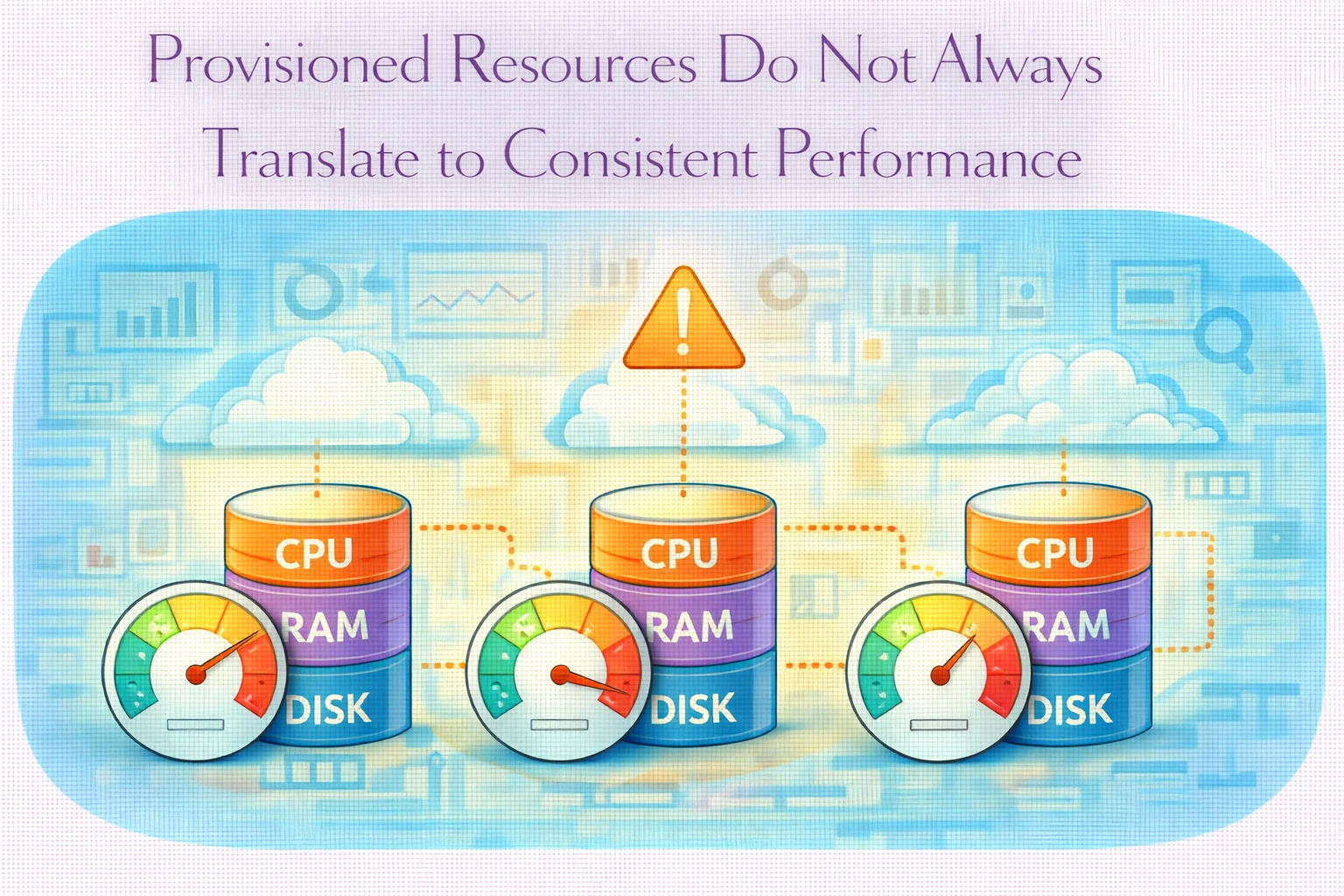
At low traffic, WordPress performance issues are obvious. Pages feel slow, errors appear, complaints arrive quickly. At scale, performance problems are subtle, distributed, and delayed. By the time users notice, the damage has already accumulated. The biggest mistake teams make is relying on the same metrics that worked for small sites. At Wisegigs.eu, performance measurement […]
Backup & Restore Best Practices in WordPress Server Panels

Backups are easy to configure — restores are where most WordPress hosting setups fail. Many sites technically “have backups,” but those backups are incomplete, outdated, slow to restore, or unusable during real incidents. In production hosting, backups are not a feature — they are a recovery system. At Wisegigs.eu, backup and restore workflows are treated […]
When to Move WordPress From Shared Hosting to VPS

Shared hosting is often where WordPress sites begin — it’s affordable, simple, and good enough at low traffic levels. But as a site grows, shared hosting becomes a hidden bottleneck. Performance slows, reliability drops, and troubleshooting turns into guesswork because resources are shared with dozens or hundreds of other sites. The real challenge is knowing […]
How to Build a Reliable Monitoring Stack for WordPress Servers (SRE Best Practices)

Performance regressions rarely announce themselves clearly. They usually arrive quietly — a slightly slower TTFB, a gradual rise in PHP execution time, a creeping increase in database latency. By the time users complain, the regression has already existed for days or weeks. In Site Reliability Engineering (SRE), the goal is not just to respond to […]