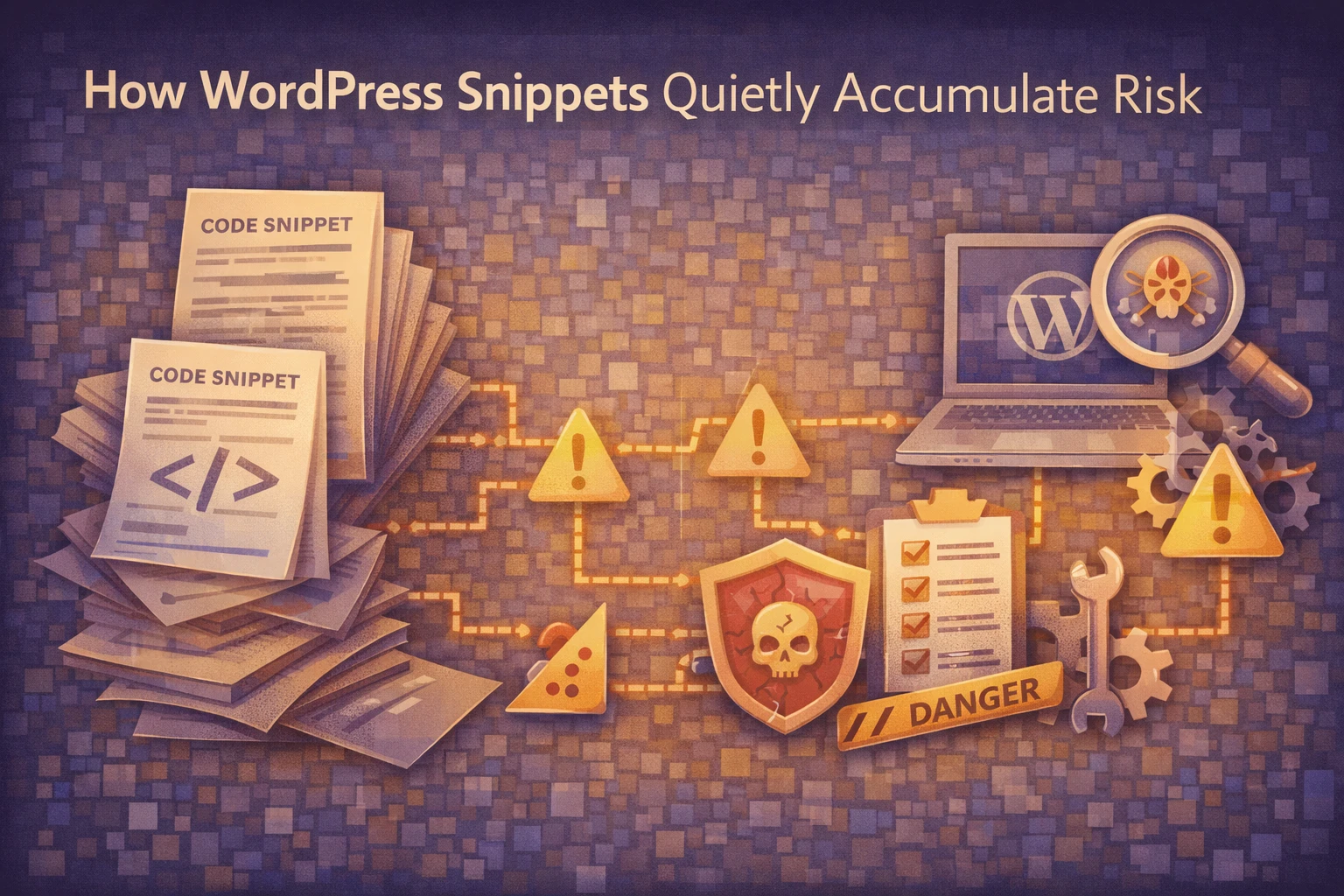
How WordPress Snippets Quietly Accumulate Risk

Most WordPress sites eventually rely on custom snippets. In the early stages, teams usually see these snippets as harmless additions. A small tweak fixes a problem, or a quick adjustment adds missing functionality. Because the site continues to work, the change rarely triggers concern. Over time, however, those small fixes stop behaving like temporary solutions. […]
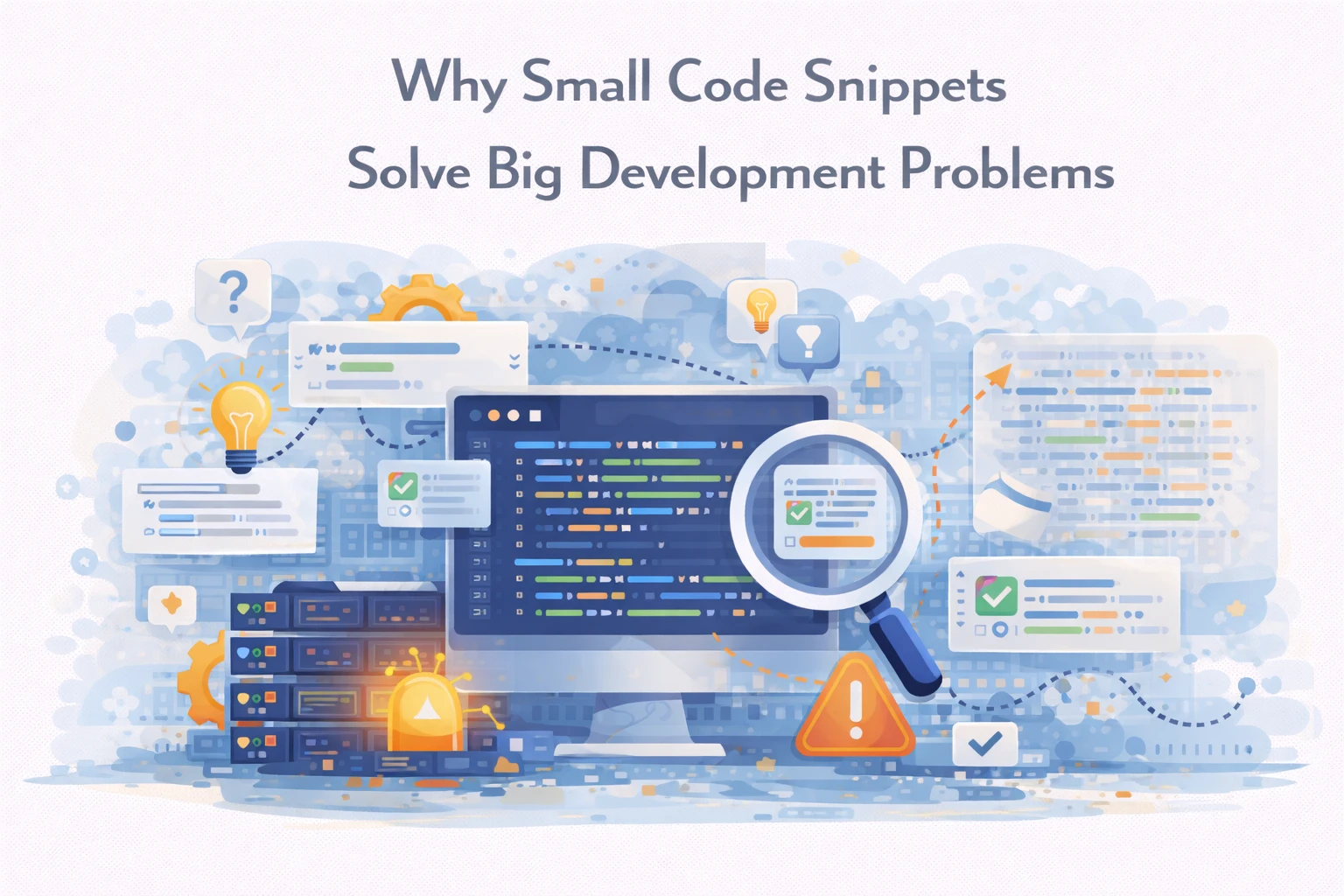
Why Small Code Snippets Solve Big Development Problems

Small code snippets solve big development problems more often than full frameworks or large rewrites. In day-to-day development, progress usually comes from small, targeted improvements rather than major architectural changes. Developers rely on snippets to solve recurring issues, speed up implementation, and avoid rewriting the same logic over and over. When used correctly, snippets reduce […]
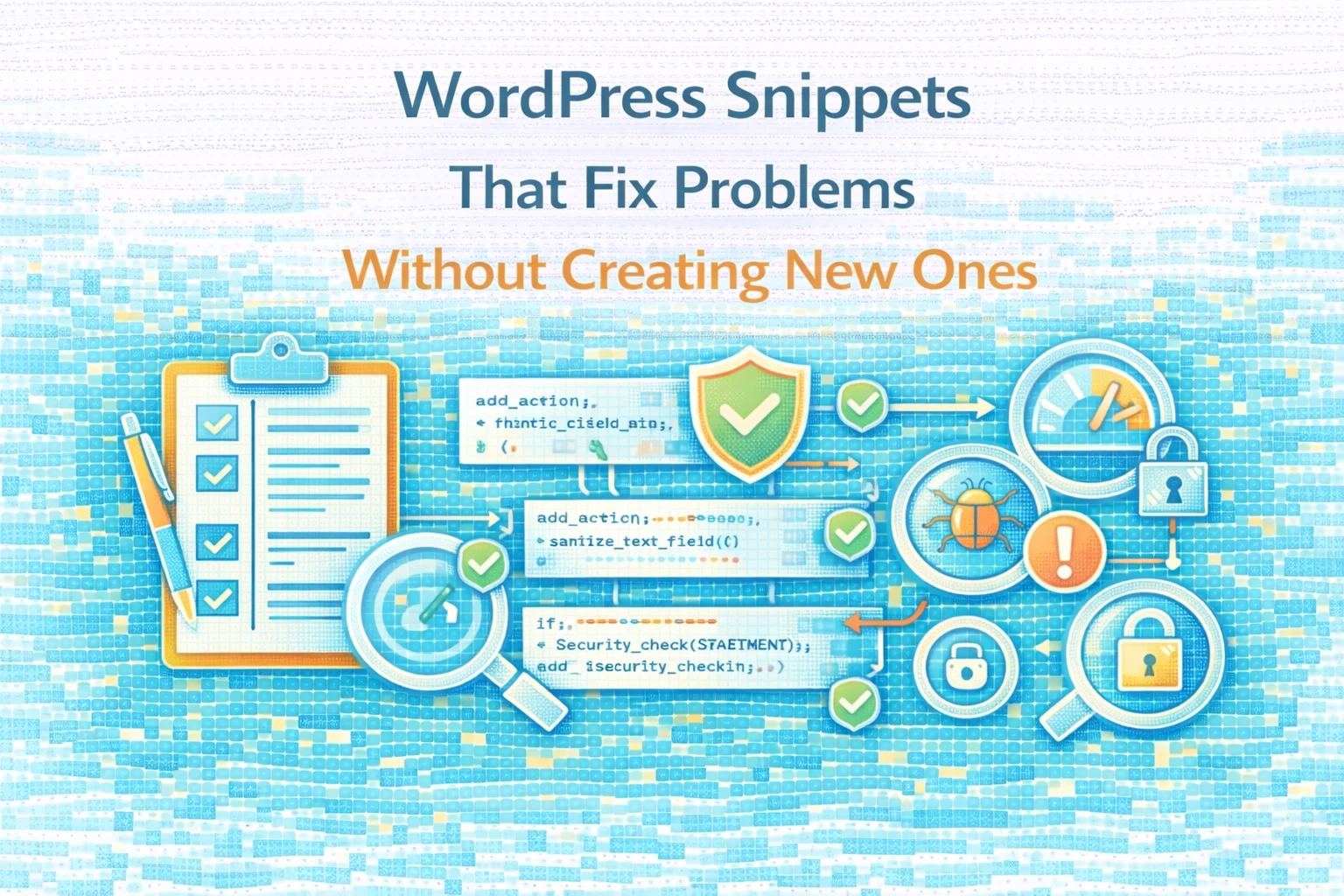
WordPress Snippets That Fix Problems Without Creating New Ones

Most WordPress snippets promise quick fixes. Disable something. Override behavior. Add functionality fast. The problem is not that snippets exist — it is that most snippets solve one visible issue while quietly introducing new ones. At Wisegigs.eu, many long-term WordPress problems start with well-intentioned snippets added without context, structure, or safeguards. Sites appear fixed until […]
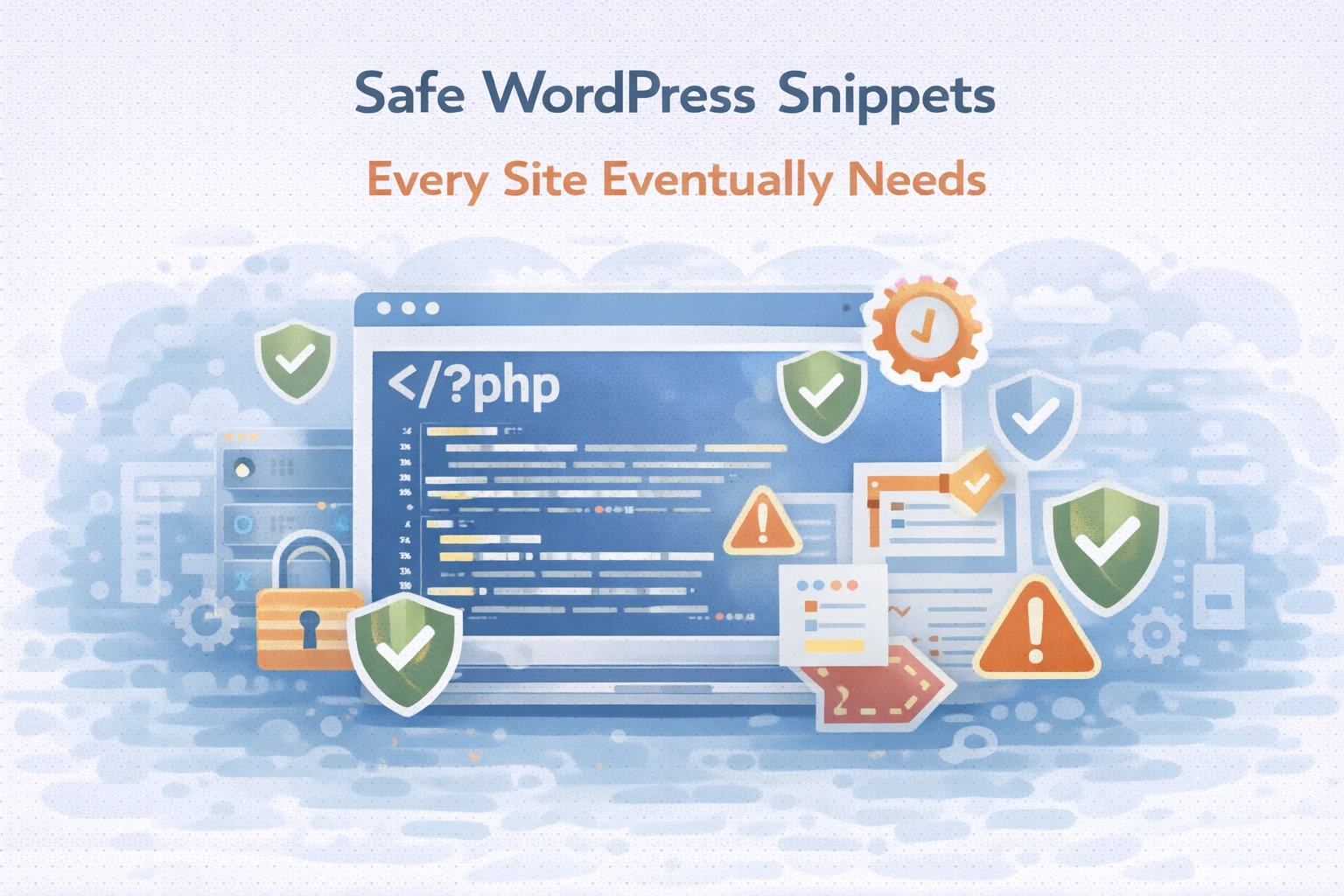
Safe WordPress Snippets Every Site Eventually Needs

Most WordPress sites eventually accumulate custom code. Sometimes it starts with a small tweak. Sometimes with a quick fix copied from a tutorial. Over time, those snippets become part of the site’s behavior — often without documentation, ownership, or review. At Wisegigs.eu, many WordPress issues we diagnose originate from well-intentioned snippets that were never designed […]
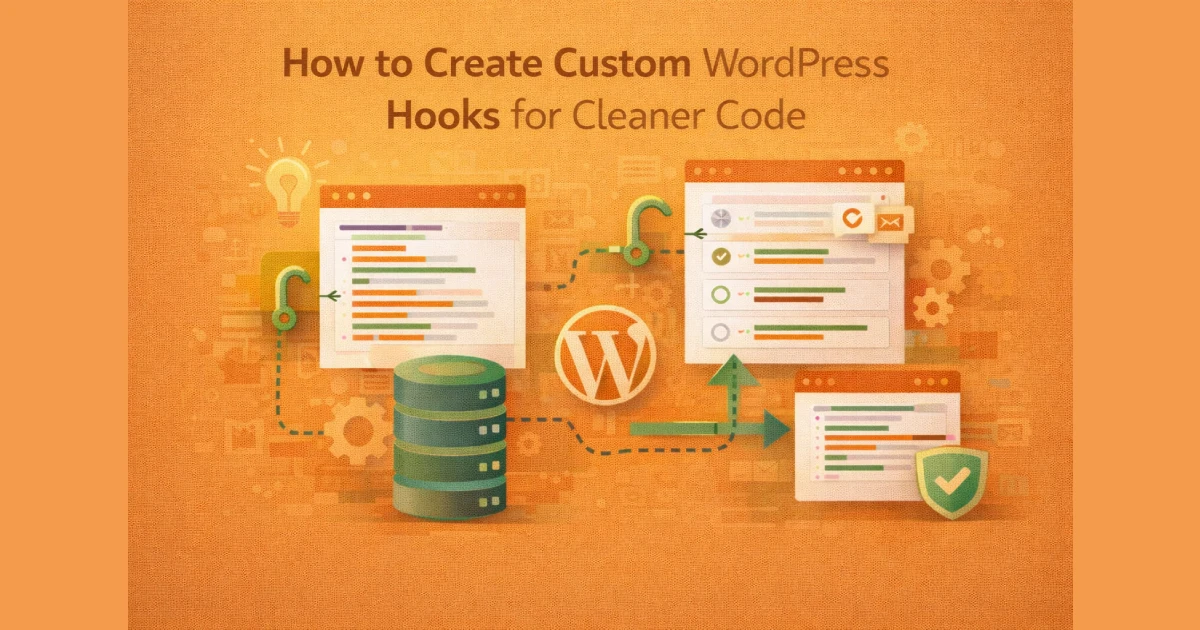
How to Create Custom WordPress Hooks for Cleaner Code

As WordPress projects grow, codebases often become tightly coupled, fragile, and difficult to extend. The most common cause is logic being hardwired directly into templates, plugins, or theme files with no clear extension points. Custom WordPress hooks solve this problem. They allow you to decouple logic, improve maintainability, and make your code extensible without rewriting […]
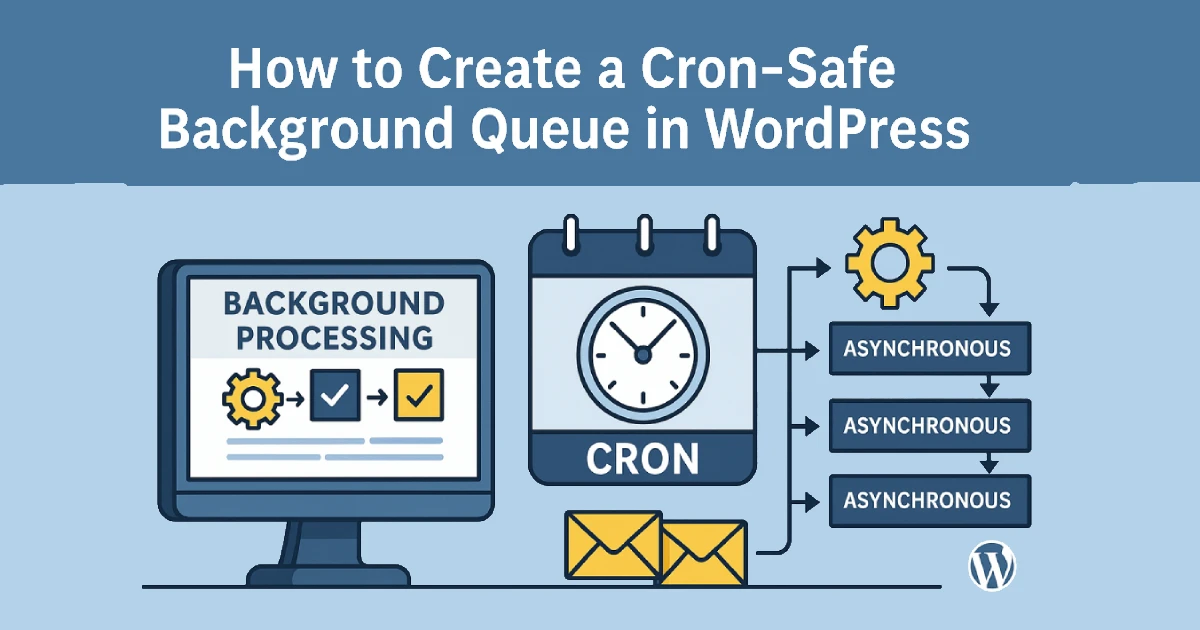
How to Create a Cron-Safe Background Queue in WordPress

Large tasks like imports, API synchronizations, report generation, and cleanup jobs often run during normal WordPress page loads — slowing down the user experience, increasing TTFB, and sometimes causing outright timeouts. A cron-safe background queue offloads heavy operations into controlled batches that run outside the request lifecycle. At Wisegigs.eu, we engineer background processing systems that […]
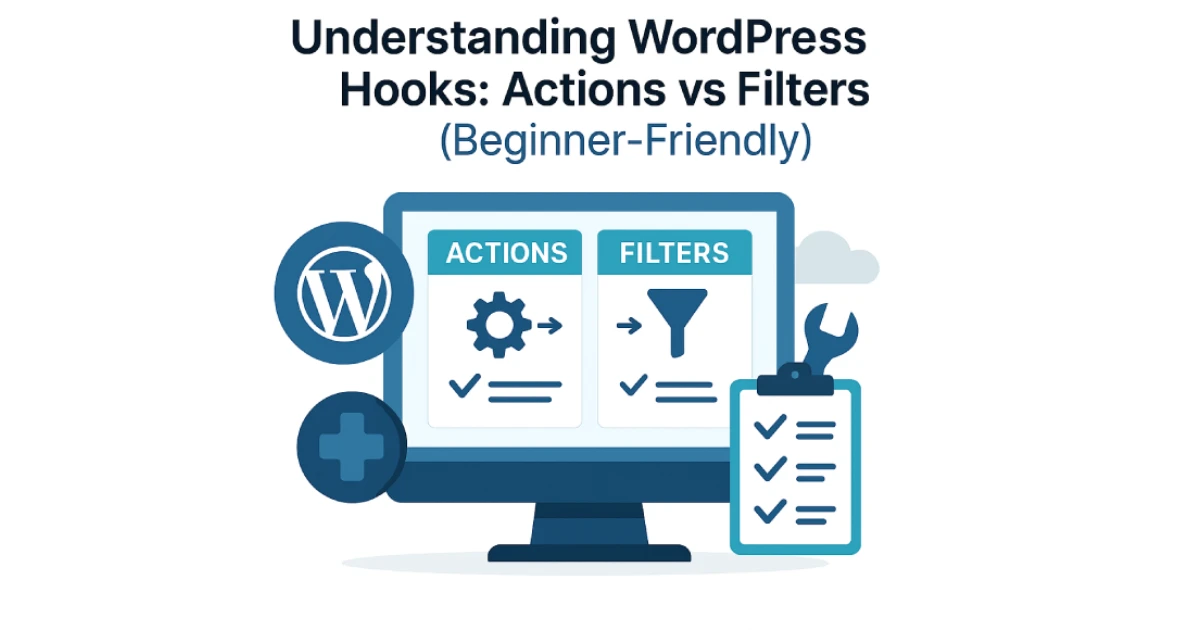
Understanding WordPress Hooks: Actions vs Filters (Beginner-Friendly)

WordPress is powerful not because of themes or plugins alone, but because of its hook system. Hooks allow developers to modify, extend, or react to WordPress behavior without editing core files. Once you understand how hooks work, customizing WordPress becomes significantly easier and far more stable. At Wisegigs.eu, we rely heavily on hooks when building […]
WordPress Monitoring Tutorial & Snippets: How to Keep Your Site Stable Without Technical Complexity

Keeping a WordPress site fast and stable requires ongoing visibility into performance, uptime, and user experience. Many site owners assume that stability comes purely from hosting or plugins, but long-term reliability depends on continuous monitoring and structured operational habits. You don’t need to be technical to understand these concepts—just consistent with how you observe your […]