Common Performance Mistakes in WordPress Development

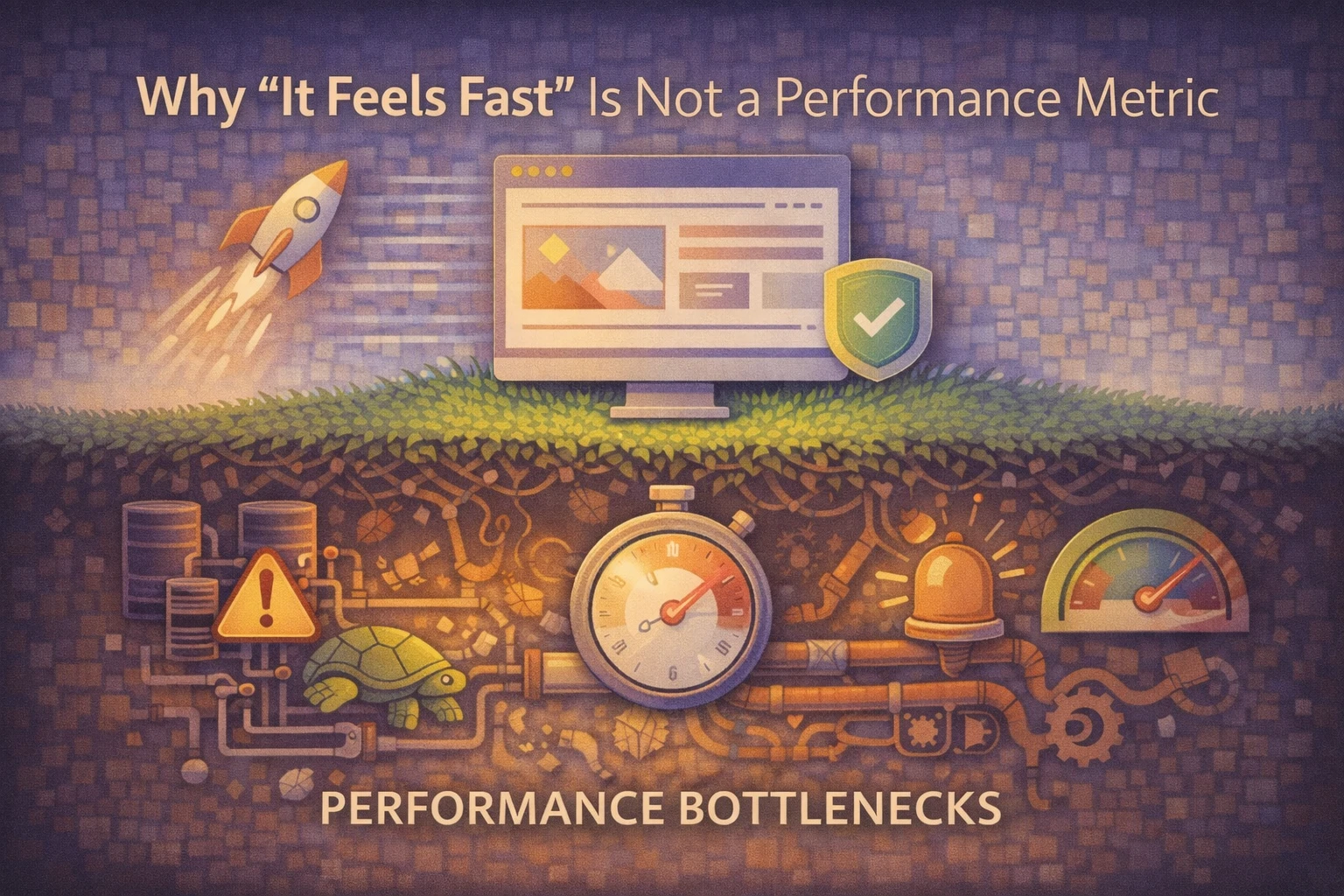
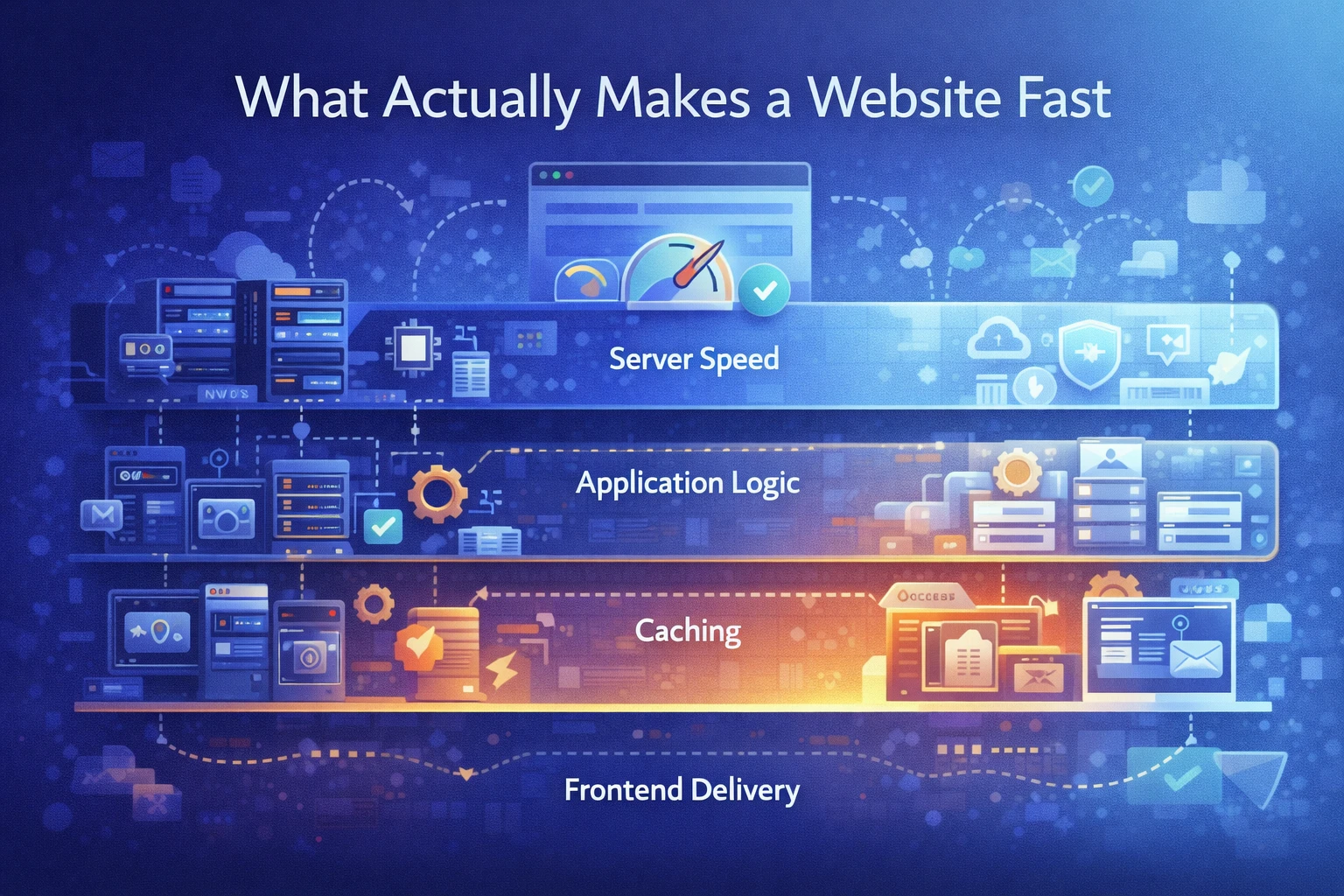
WordPress performance problems rarely come from one catastrophic mistake. Instead, they emerge from a series of small development decisions that seem reasonable in isolation but compound over time. Pages get heavier. Requests get slower. Caching becomes less effective. Eventually, performance work turns into constant firefighting. At Wisegigs.eu, performance issues are almost never caused by a […]
Why WordPress Development Often Ignores Maintainability

WordPress development usually starts with good intentions. A feature request. A deadline. A client requirement. A plugin that “just works.” Over time, however, many WordPress sites become increasingly fragile, harder to change, and risky to maintain. This is rarely because developers lack skill.It happens because maintainability is deprioritized in favor of speed and visible progress. […]
Safe WordPress Snippets Every Site Eventually Needs

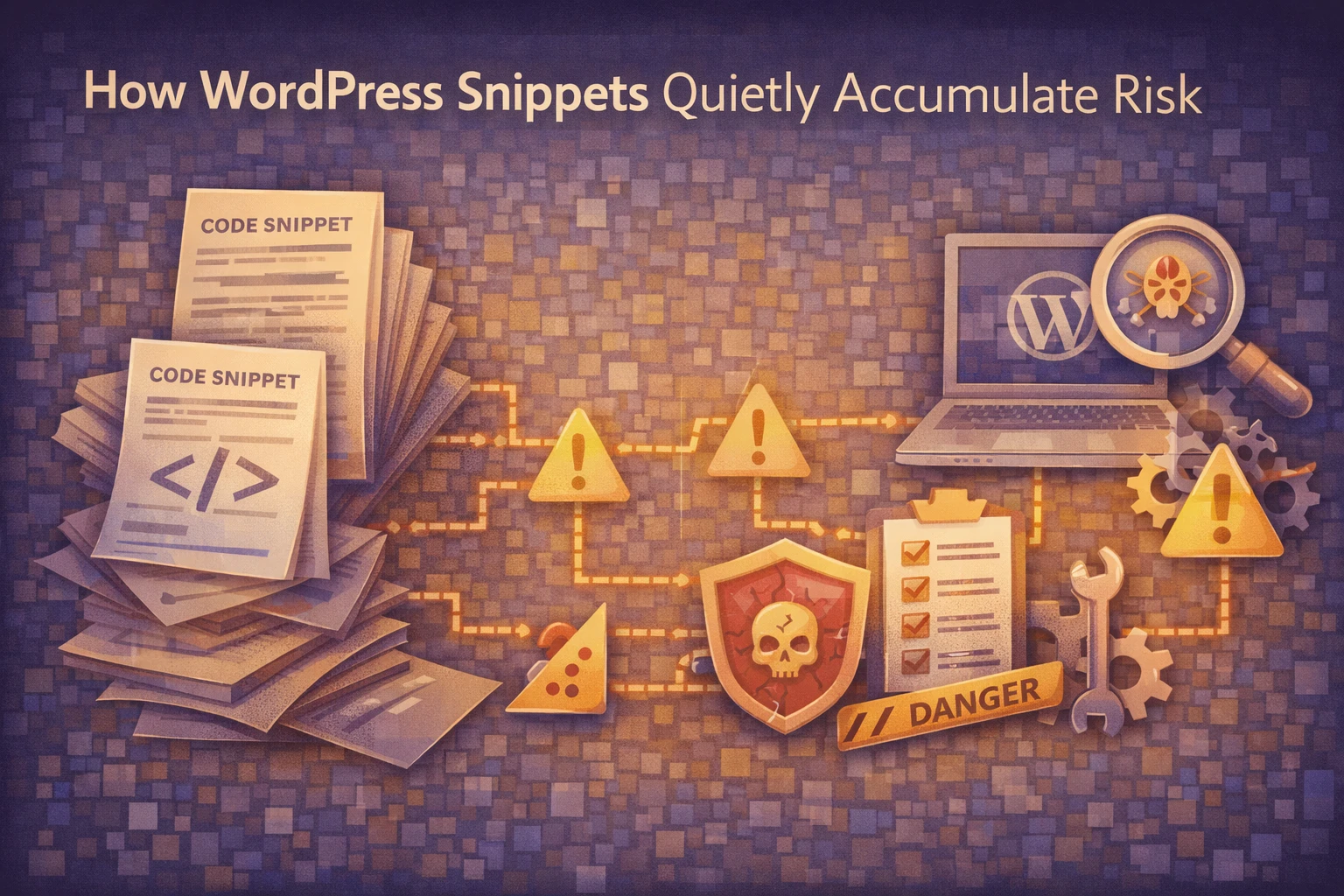
Most WordPress sites eventually accumulate custom code. Sometimes it starts with a small tweak. Sometimes with a quick fix copied from a tutorial. Over time, those snippets become part of the site’s behavior — often without documentation, ownership, or review. At Wisegigs.eu, many WordPress issues we diagnose originate from well-intentioned snippets that were never designed […]
Why WordPress Sites Fail After “Small” Code Changes

Most WordPress failures don’t come from major rewrites. They come from small, confident changes. A single line added to functions.php.A quick filter adjustment.A “temporary” snippet copied from Stack Overflow. Nothing dramatic happens at first. The site still loads. Editors continue working. Traffic looks normal. Then, days or weeks later, something breaks — often under load, […]
Most Deployment Pipelines Break for the Same Reasons

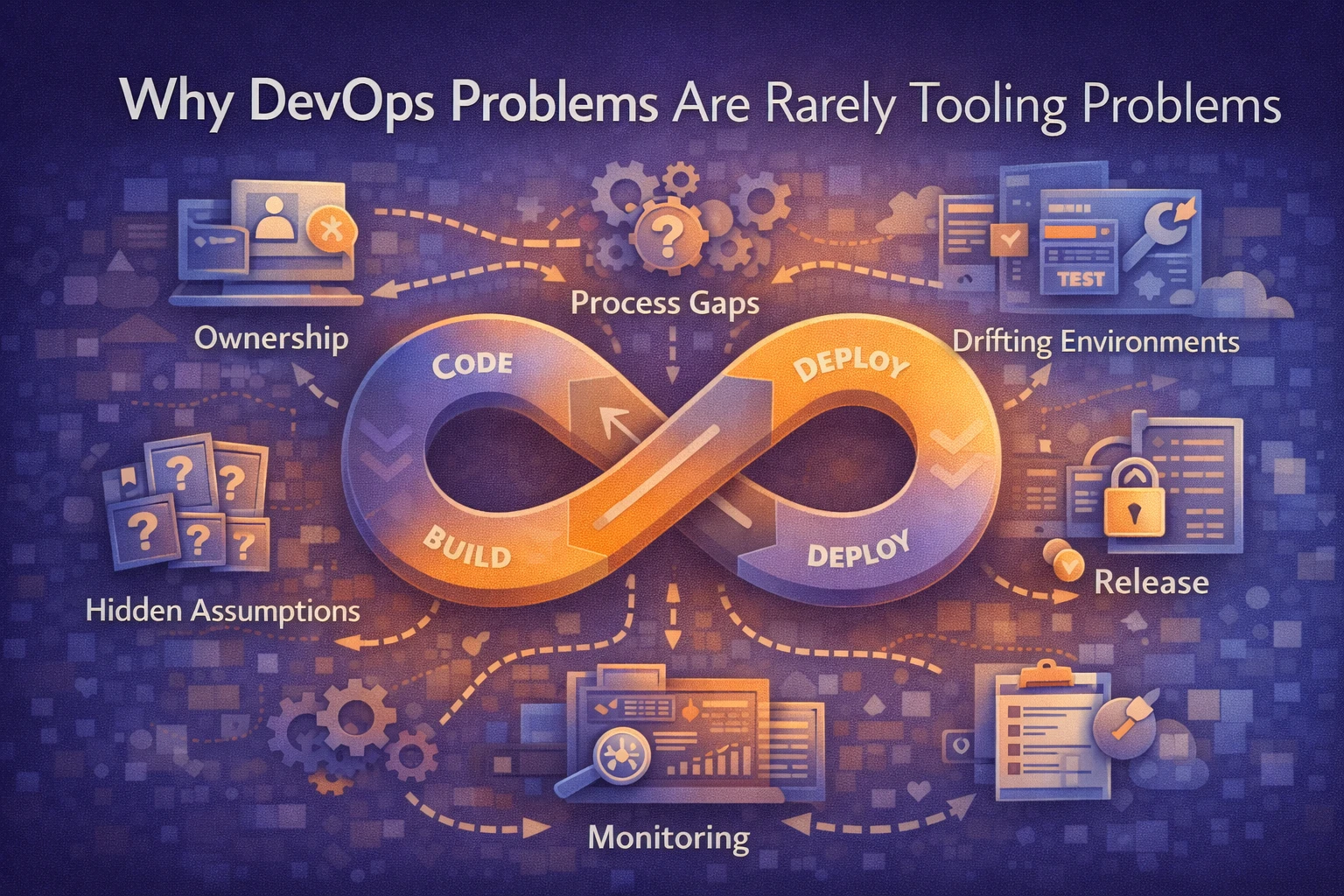
Most deployment pipelines do not fail because teams lack tooling. They fail because pipelines are treated as delivery accelerators instead of risk control systems. On paper, CI/CD pipelines promise faster releases, fewer errors, and smoother deployments. In reality, many teams experience the opposite: brittle releases, late-night rollbacks, and growing distrust in automation. At Wisegigs.eu, we […]
Hardening WordPress Hosting: What Shared Setups Can’t Protect You From

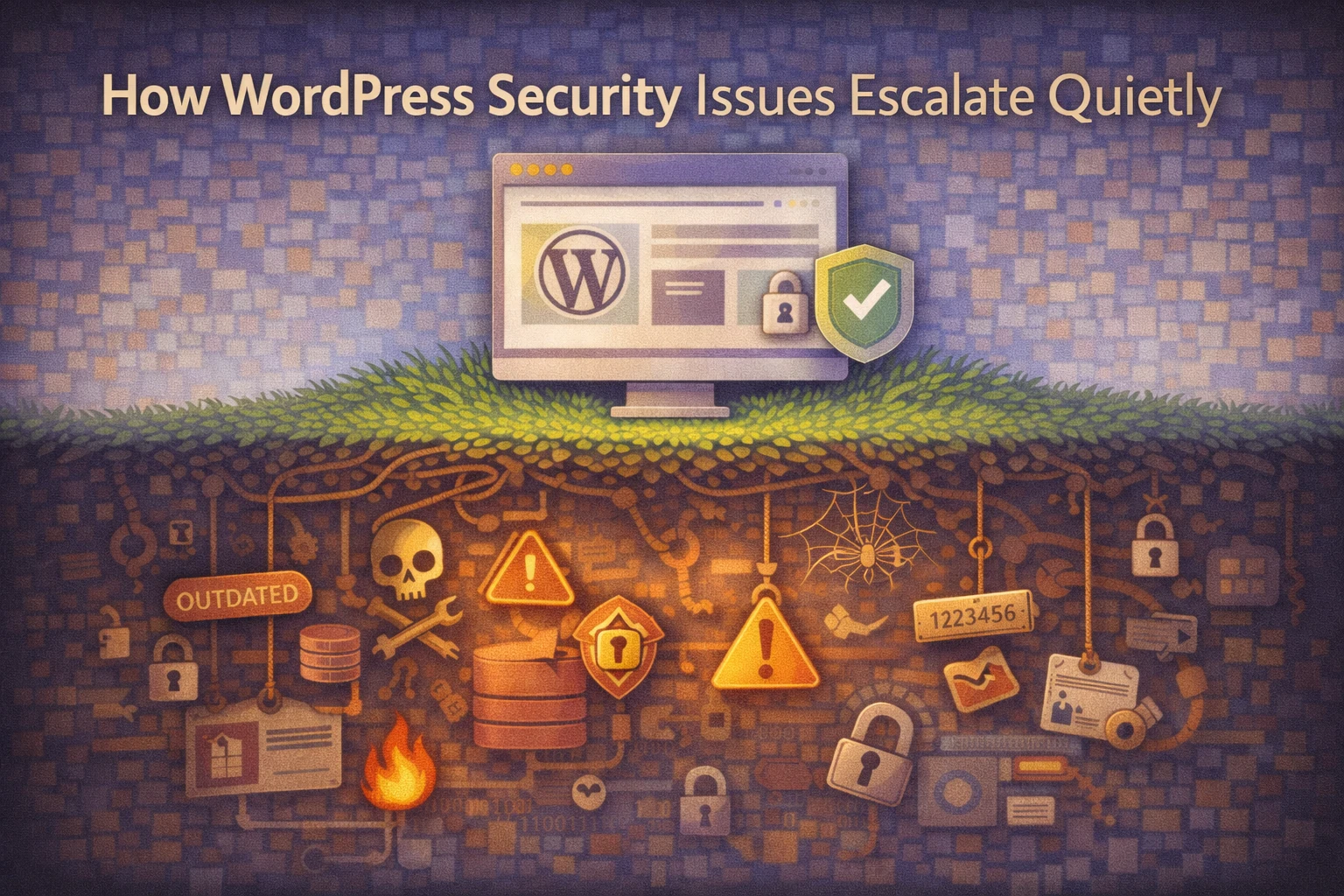
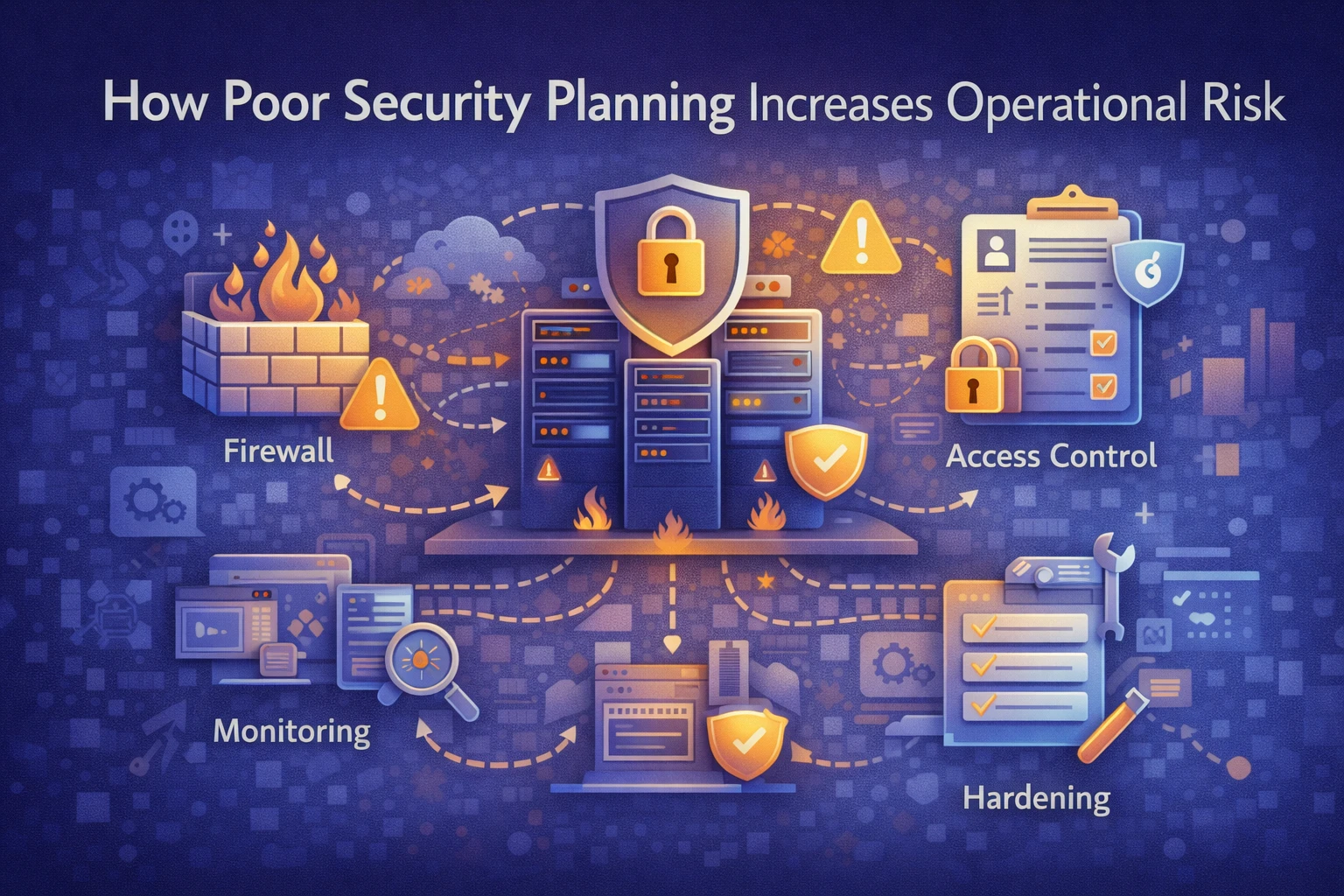
Most WordPress security advice focuses on plugins, passwords, and updates. That advice is not wrong — it’s just incomplete. A large percentage of compromised WordPress sites were technically “secured” at the application level. Plugins were installed. Updates were current. Firewalls were enabled. Yet breaches still occurred. The reason is simple: security hardening that stops at […]
How Caching Breaks Dynamic WordPress Features (And How to Fix It)

Caching is essential for WordPress performance — but when implemented incorrectly, it quietly breaks dynamic behavior. Logged-in user states leak, carts reset, personalization disappears, forms misbehave, and conversion funnels silently fail. The worst part?The site still looks “fast.” At Wisegigs.eu, a large portion of WordPress performance audits involve undoing broken caching logic rather than adding […]
WordPress Core Updates: How to Prepare, Test, and Deploy Safely

WordPress core updates are one of the most underestimated operational risks in WordPress projects. While most updates appear routine, even minor releases can introduce compatibility issues, performance regressions, or subtle breaking changes — especially on sites with custom code, plugins, or complex hosting setups. The difference between a smooth update and a production incident is […]
How to Create Custom WordPress Hooks for Cleaner Code

As WordPress projects grow, codebases often become tightly coupled, fragile, and difficult to extend. The most common cause is logic being hardwired directly into templates, plugins, or theme files with no clear extension points. Custom WordPress hooks solve this problem. They allow you to decouple logic, improve maintainability, and make your code extensible without rewriting […]
When to Use Custom Code Instead of Plugins in WordPress

Plugins are one of WordPress’s greatest strengths — but they are also one of its biggest long-term risks. Many performance, security, and maintenance problems don’t come from WordPress itself, but from over-reliance on plugins for problems that should have been solved with custom code. The real question is not “Can a plugin do this?” — […]