
How WordPress Snippets Quietly Accumulate Risk
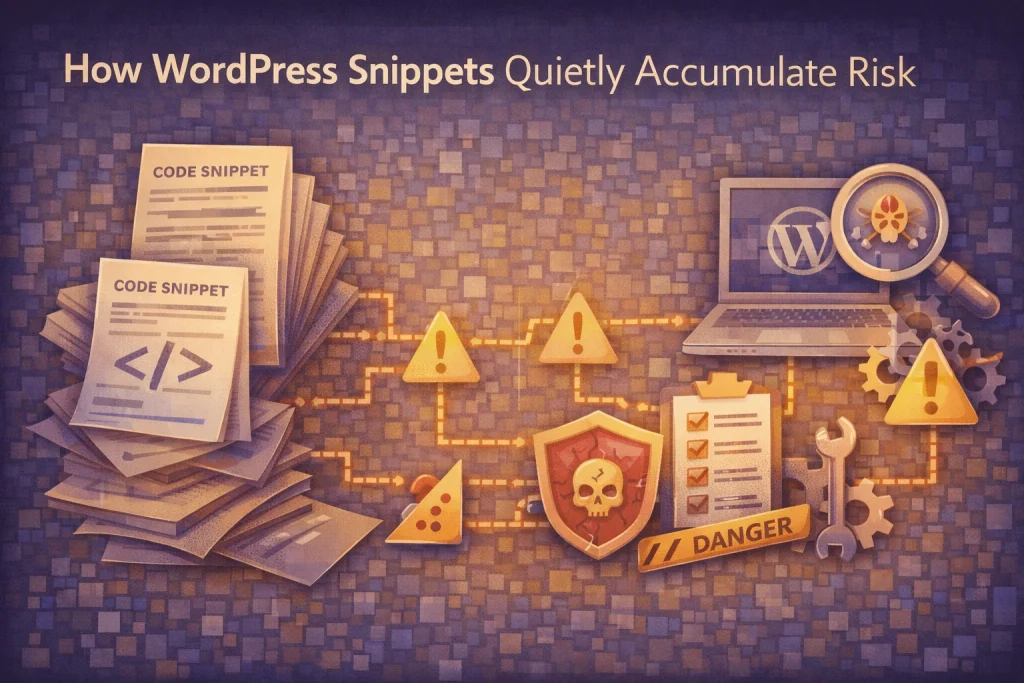
Most WordPress sites eventually rely on custom snippets. In the early stages, teams usually see these snippets as harmless additions. A small tweak fixes a problem, or a quick adjustment adds missing functionality. Because the site continues to work, the change rarely triggers concern. Over time, however, those small fixes stop behaving like temporary solutions. […]
Why Resource Isolation Matters in VPS Environments
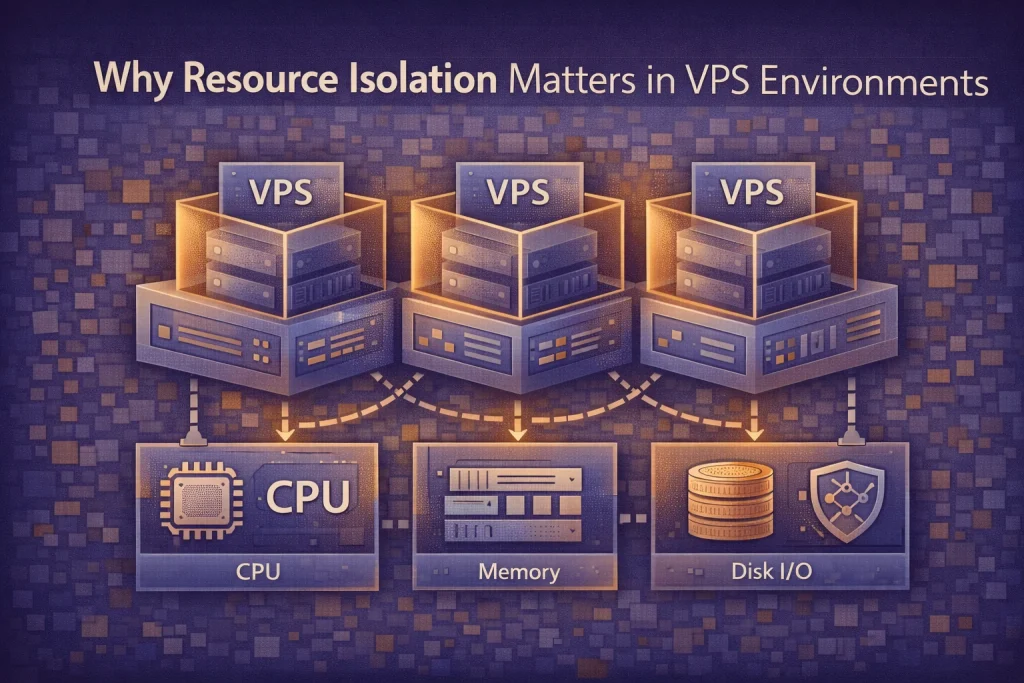
VPS hosting is often promoted as a straightforward upgrade from shared hosting. At first glance, the benefits appear obvious. You get more CPU, more memory, and greater control over your server environment. Because of this, many teams assume that performance problems disappear automatically after moving to a VPS. In reality, performance and stability depend far […]
Understanding SEO Content Beyond Keywords
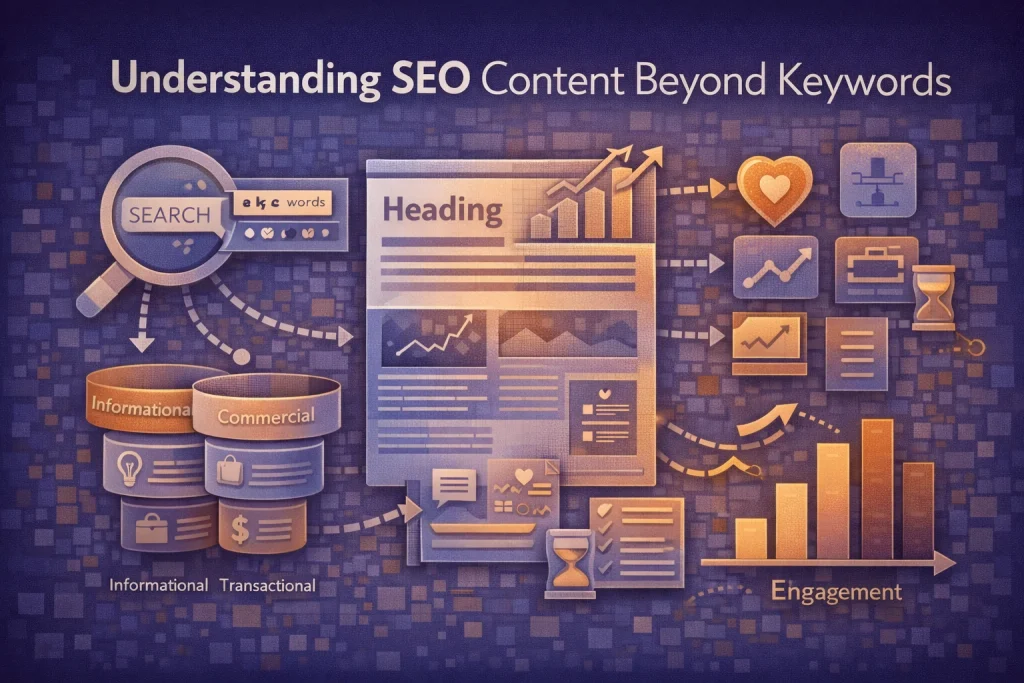
For years, SEO content strategy revolved around keywords. Find the right phrase.Use it in the title.Repeat it throughout the page.Publish and wait. That approach no longer works on its own. At Wisegigs.eu, many SEO issues we diagnose are not caused by missing keywords. Instead, they come from content that technically targets search terms but fails […]
How Poor API Design Creates Long-Term Risk
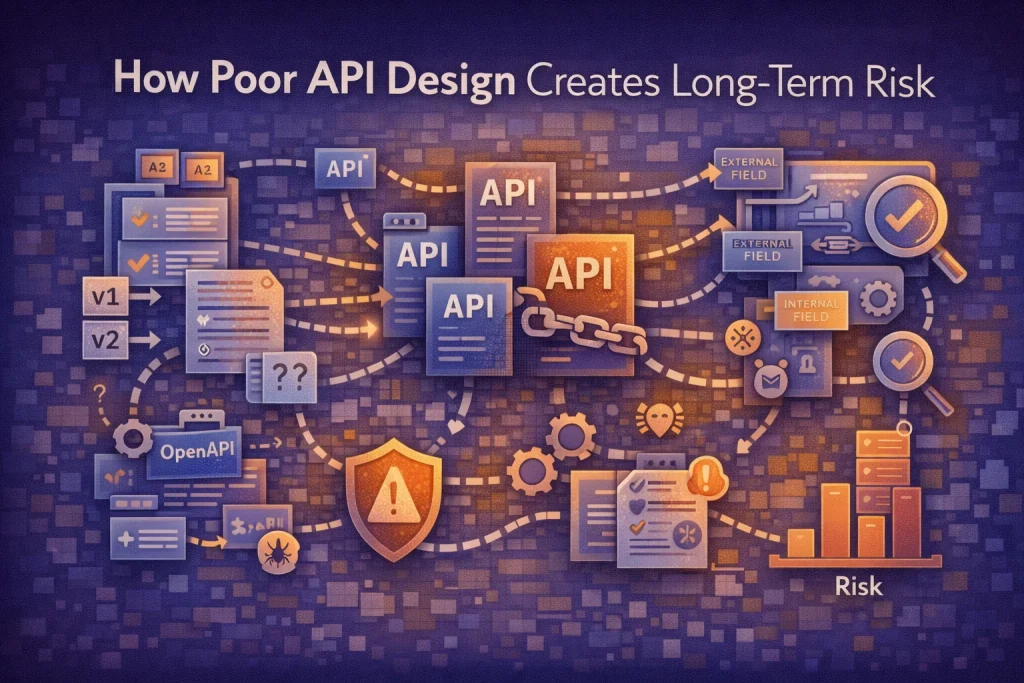
APIs are often introduced to simplify system integration. In practice, they connect services, enable data exchange, and help teams move faster. Initially, these benefits are clear and measurable. However, as systems grow and more consumers rely on the API, early design decisions begin to matter far more than expected. At Wisegigs.eu, many long-term operational issues […]
What SRE Teaches Us About Reliable Hosting
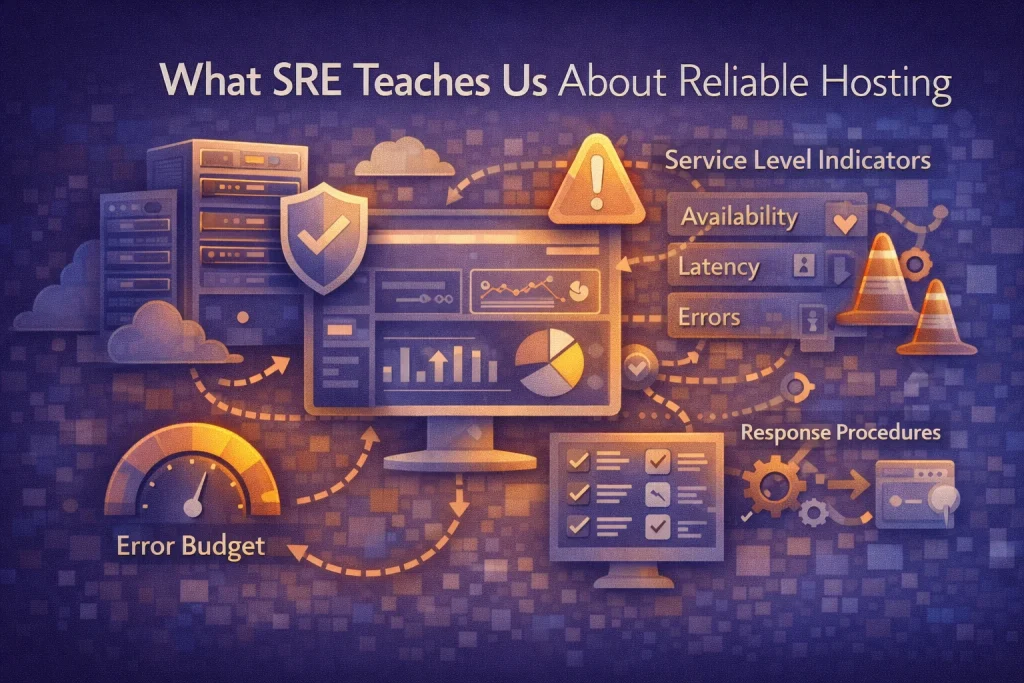
Reliable hosting is often misunderstood. Many teams focus on uptime percentages, server specs, or monitoring dashboards. As long as services are running, the system is considered healthy. Site Reliability Engineering (SRE) challenges this thinking. At Wisegigs.eu, we see that the most reliable hosting environments are not the ones with the most metrics, but the ones […]
Why Conversion Problems Start With User Assumptions
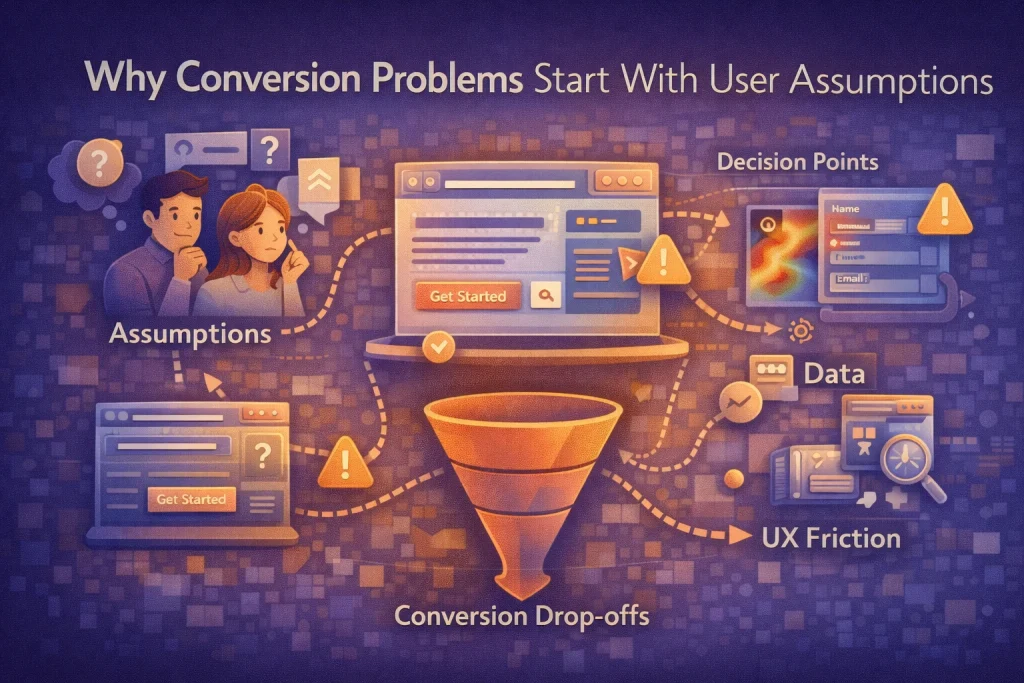
When conversions drop, teams usually look for tactical fixes. Change the button color.Rewrite the headline.Add urgency.Run another A/B test. Sometimes results improve. Often they don’t. At Wisegigs, many conversion problems we diagnose do not originate from design flaws or technical errors. They originate from incorrect assumptions about users — how they think, what they need, […]
Why DevOps Problems Are Rarely Tooling Problems
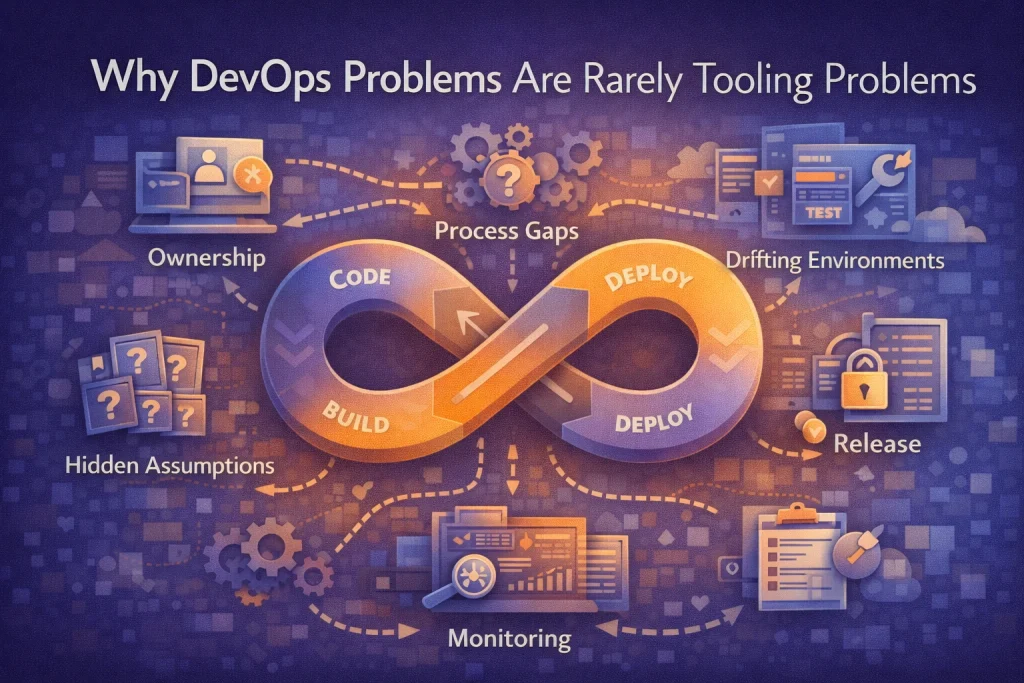
When deployment pipelines break, the first instinct is usually to blame the tools. The CI system is unreliable.The deployment service is buggy.The automation platform is limited. So teams replace tools, migrate platforms, or add more automation — only to encounter the same problems again. At Wisegigs, most DevOps failures we encounter are not caused by […]
Why Hosting Security Failures Rarely Start With Hackers
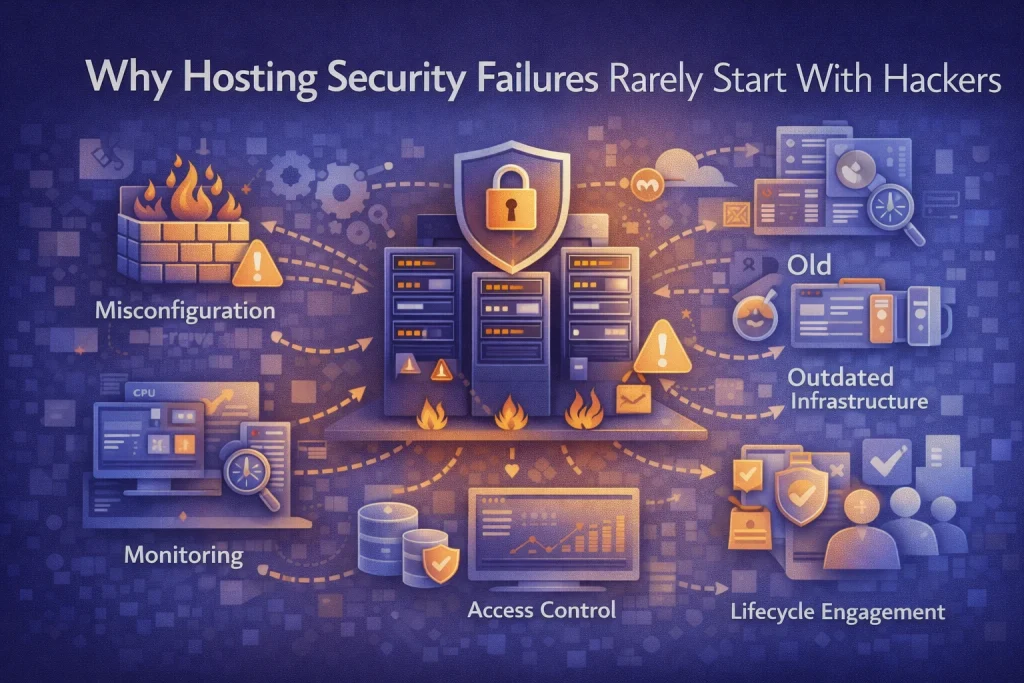
When businesses think about hosting security, they usually imagine external attackers. Malware injections.Brute-force login attempts.Distributed denial-of-service attacks. These threats are real. However, most hosting security failures do not begin with attackers. They begin with internal weaknesses that attackers later exploit. At Wisegigs, security incidents rarely originate from advanced hacking techniques. Instead, they typically result from […]
Why Email Marketing Still Outperforms Most Channels

Marketing channels change constantly. Social platforms rise and fall.Paid advertising costs fluctuate.Search algorithms evolve. Despite these changes, email marketing continues to deliver consistent performance across industries. At Wisegigs, we regularly see businesses invest heavily in social media and paid traffic while overlooking email — even though email remains one of the most reliable and profitable […]
How Poor Security Planning Increases Operational Risk
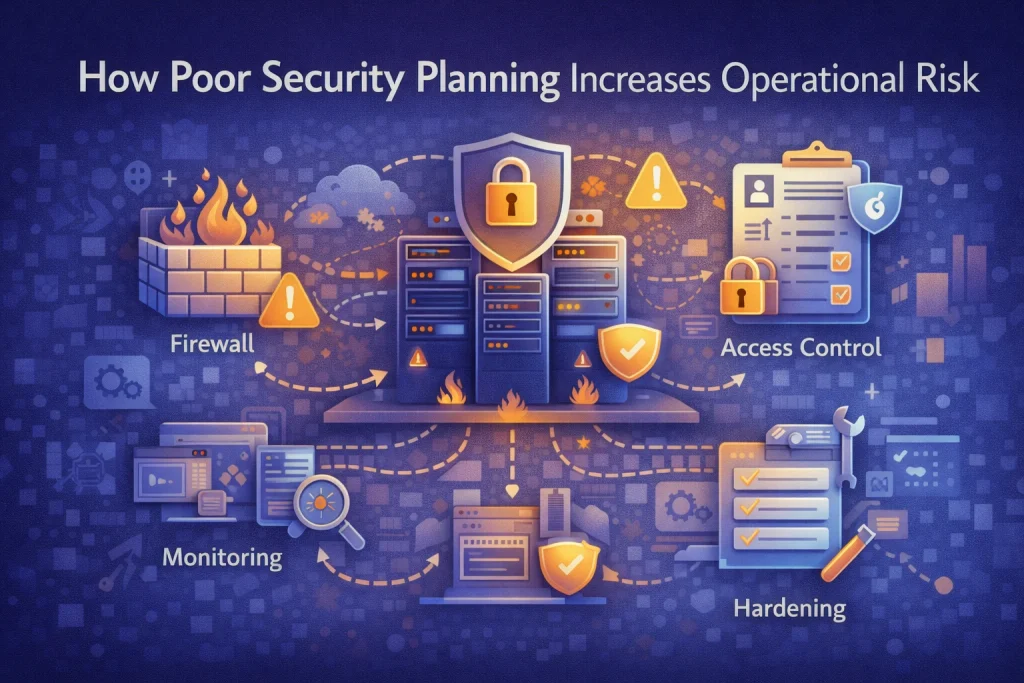
Security incidents rarely begin with an attack. They begin with assumptions. Systems appear stable. Updates work. Backups exist. Monitoring shows normal activity. Because nothing is visibly broken, security is often treated as a checklist rather than a strategy. At Wisegigs, most security issues we investigate are not caused by sophisticated attackers. They are caused by […]