
Why Default Configurations Create Hidden Risk
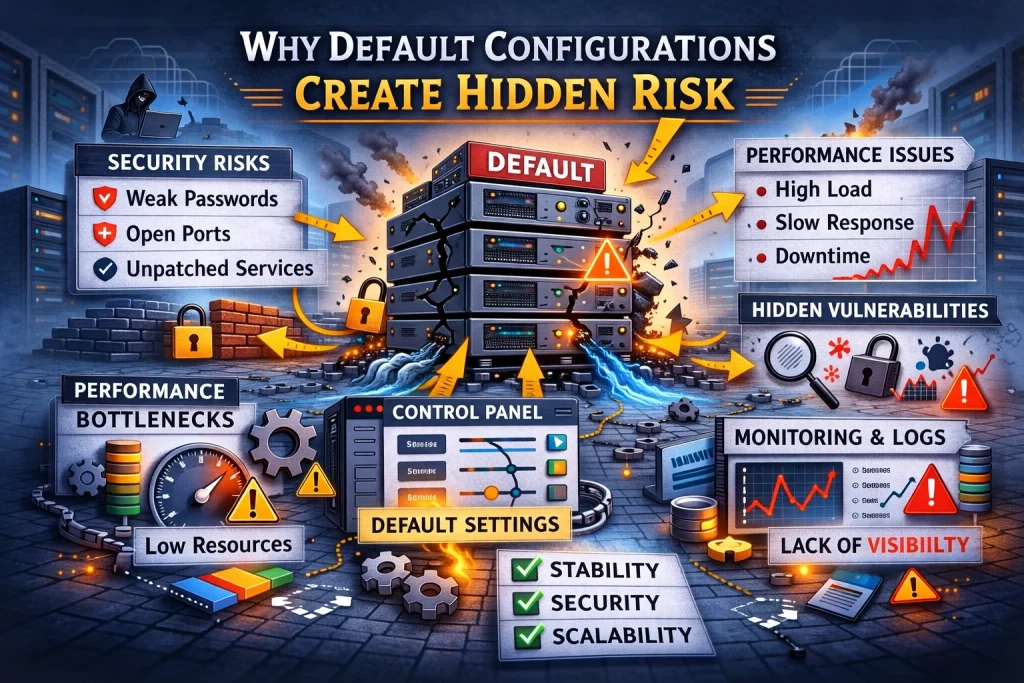
Default configurations are designed for accessibility. Operating systems, control panels, and server software ship with baseline settings that prioritize compatibility and ease of deployment. Because these defaults reduce initial friction, many systems reach production without significant adjustments. However, defaults are not optimized for real workloads. At Wisegigs.eu, a substantial portion of infrastructure instability, security weaknesses, […]
How Paid Media Magnifies System Fragility
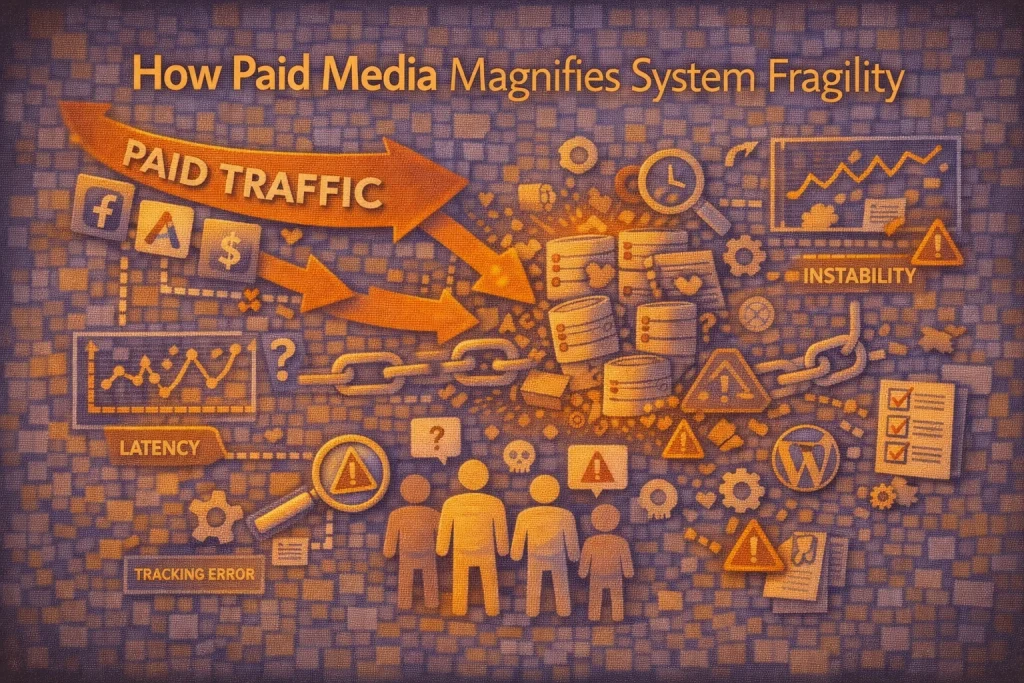
Paid media is often viewed as a growth accelerator. More budget leads to more traffic. More traffic leads to more conversions. Because this logic appears straightforward, performance issues that emerge during campaign launches are frequently attributed to targeting, creatives, or bidding strategies. In practice, however, paid traffic behaves differently. At Wisegigs.eu, infrastructure slowdowns, tracking anomalies, […]
Why Small Snippets Often Cause Large Failures
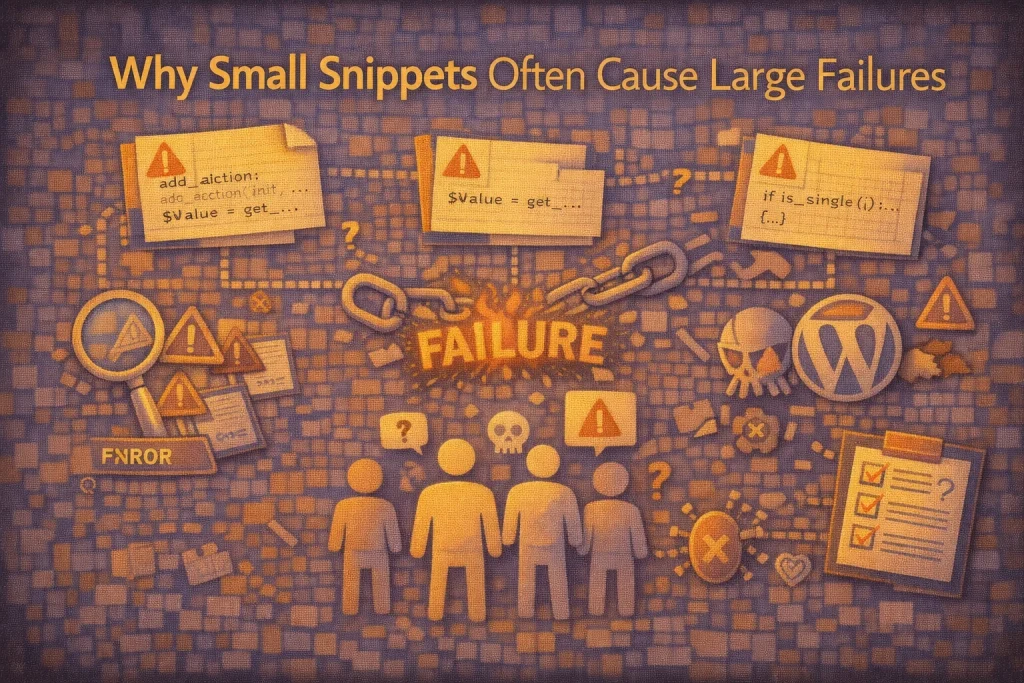
WordPress snippets are typically introduced as minor improvements. A small tweak adjusts behavior. A quick fix resolves an edge case. A copied fragment adds missing functionality. Because these changes appear limited in scope, their long-term impact is rarely questioned. However, snippets frequently become the origin of significant failures. At Wisegigs.eu, many WordPress stability investigations reveal […]
How Virtualization Changes Performance Expectations
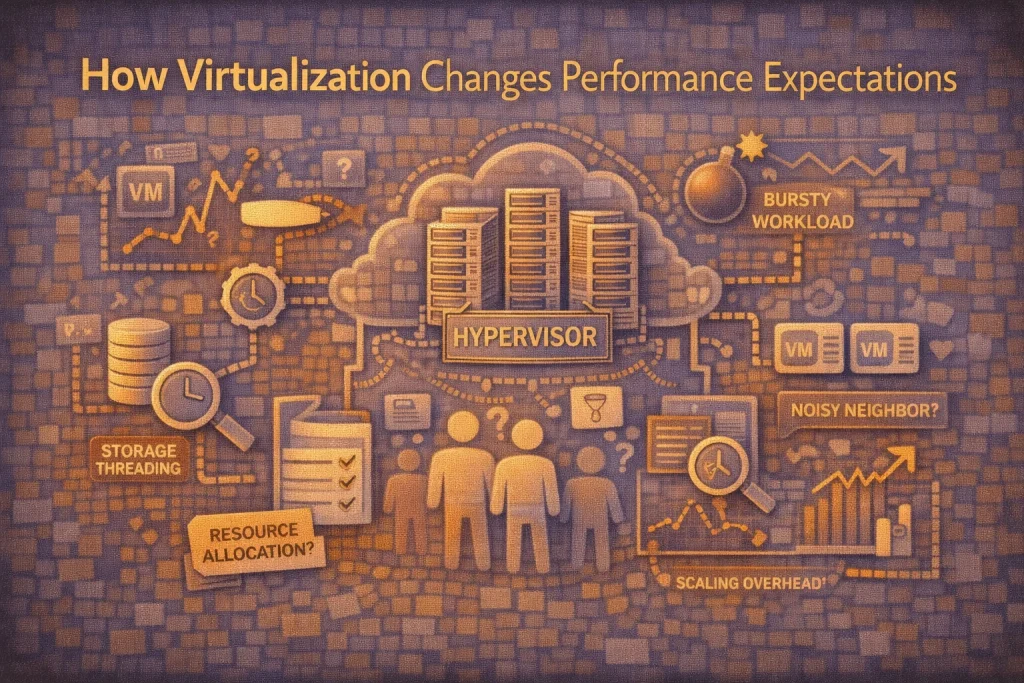
Virtualization transformed modern hosting. Instead of relying on dedicated hardware, workloads now operate within abstracted environments that dynamically allocate resources. Because this model increases flexibility and efficiency, many teams assume performance behavior remains predictable as long as nominal specifications appear sufficient. In reality, virtualization fundamentally alters performance dynamics. At Wisegigs.eu, infrastructure investigations frequently reveal mismatches […]
How Tracking Gaps Quietly Break Optimization Efforts
Optimization depends on measurement. Teams invest heavily in improving conversion rates, refining user flows, and adjusting acquisition strategies. Because experimentation and iteration drive these activities, reliable data becomes the foundation of decision-making. However, measurement systems are rarely perfect. At Wisegigs.eu, many optimization failures originate not from flawed strategies but from incomplete or inaccurate tracking implementations. […]
Why APIs Fail at the Edges, Not the Core
API failures are frequently misdiagnosed. When integrations break, teams often assume that the underlying service is unreliable, poorly implemented, or inherently unstable. Because APIs are treated as discrete components, failure is commonly attributed to the provider rather than the interaction model. In practice, however, most API failures do not originate in the core system. At […]
What SRE Teaches Us About System Stability
System stability is often misunderstood. Many teams associate reliability with uptime percentages, server capacity, or redundancy layers. Because these factors are visible and measurable, stability is frequently treated as a hardware or infrastructure concern rather than a systemic property. Site Reliability Engineering offers a different perspective. Instead of focusing solely on preventing failure, SRE emphasizes […]
Why SEO Content Fails Despite Good Rankings
Strong rankings often create a sense of success. When pages reach the first page of search results, teams assume their SEO strategy is working. Traffic appears to increase, visibility improves, and dashboards look reassuring. Because of this, deeper performance analysis is frequently deprioritized. However, rankings alone do not guarantee meaningful outcomes. At Wisegigs.eu, many SEO […]
How CI/CD Design Shapes System Reliability
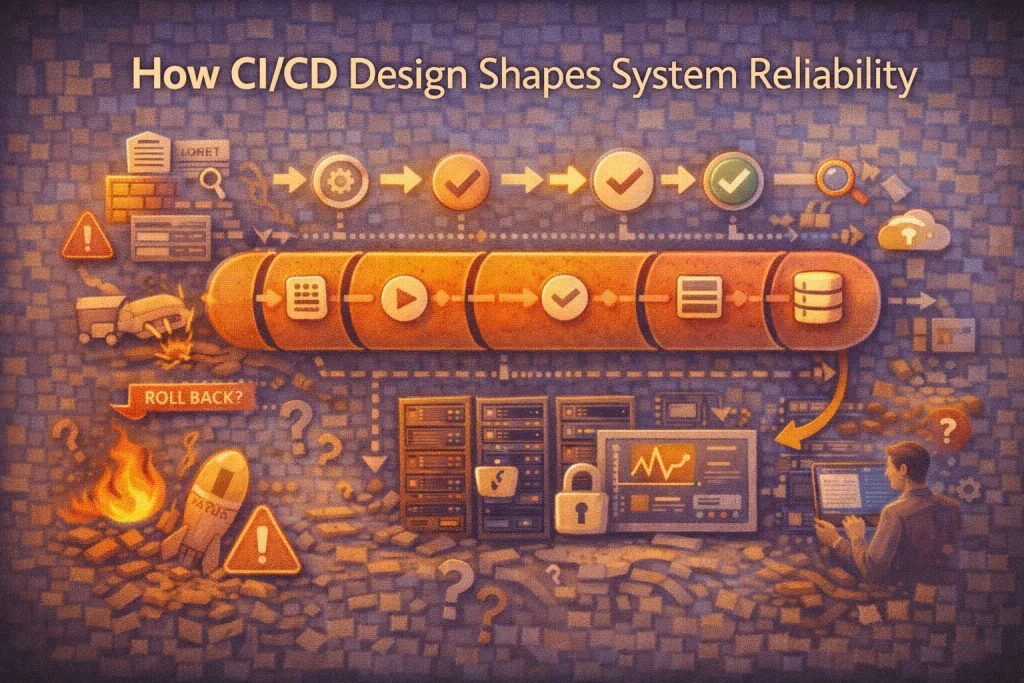
Continuous Integration and Continuous Delivery are widely associated with speed. Teams invest heavily in pipelines to accelerate releases, reduce manual work, and standardize deployment workflows. Because automation dominates the conversation, CI/CD is often treated as a tooling decision rather than a system design discipline. However, delivery speed alone does not guarantee reliability. At Wisegigs.eu, many […]
Why Security Controls Fail Without Operational Discipline
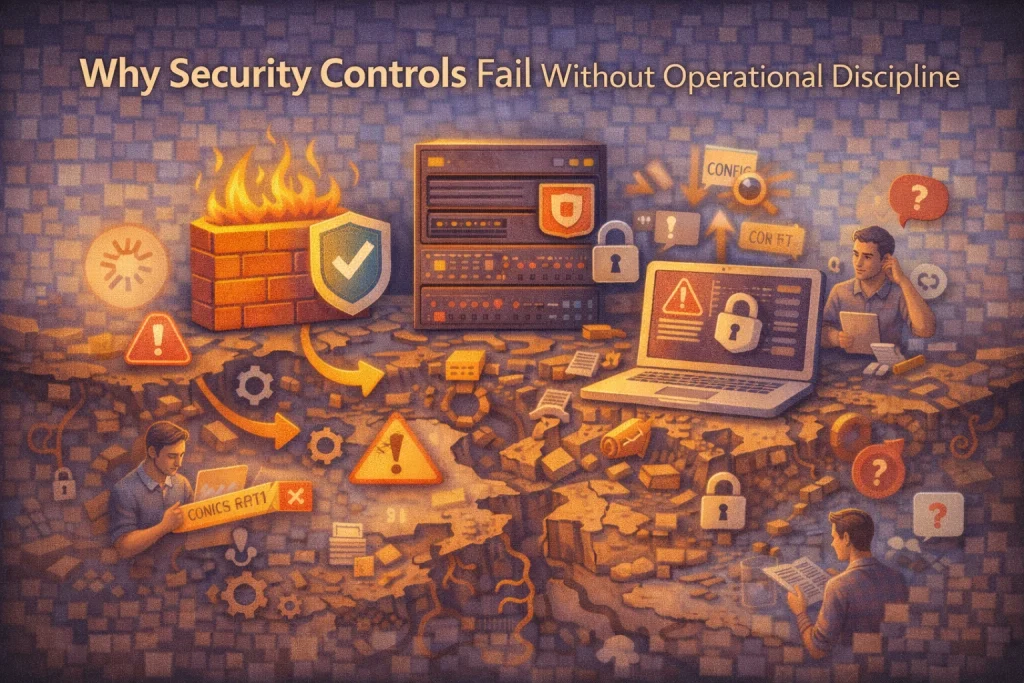
Security controls are widely treated as protective guarantees. Firewalls, intrusion detection systems, malware scanners, and access controls create a reassuring sense of safety. Because these mechanisms are visible and measurable, organizations often assume that deploying them significantly reduces risk. In practice, however, security controls frequently fail. At Wisegigs.eu, many infrastructure security incidents occur in environments […]